Burgundy
ภูมิภาคอากาศเย็นของฝรั่งเศสที่ยึดถือเรื่องแตร์รัวร์เป็นแกนกลาง ใช้ชาร์ดอนเนย์เดี่ยวสำหรับไวน์ขาวและปิโนต์นัวร์เดี่ยวสำหรับไวน์แดง มีบันไดคุณภาพสี่ชั้นจากระดับภูมิภาค หมู่บ้าน พรีเมียร์ครู ถึงกรองด์ครู และมีระบบความเป็นเจ้าของที่กระจัดกระจายทั้งโดแมน โมโนโปล และเนโกซียอง ครอบคลุมชาบลี โกตดอร์ โกตชาลอนแนส และมากอนแน
เกี่ยวกับภูมิภาคนี้
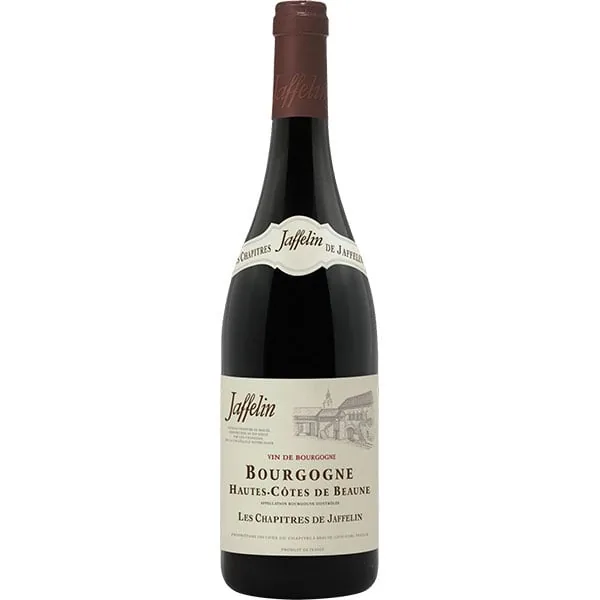
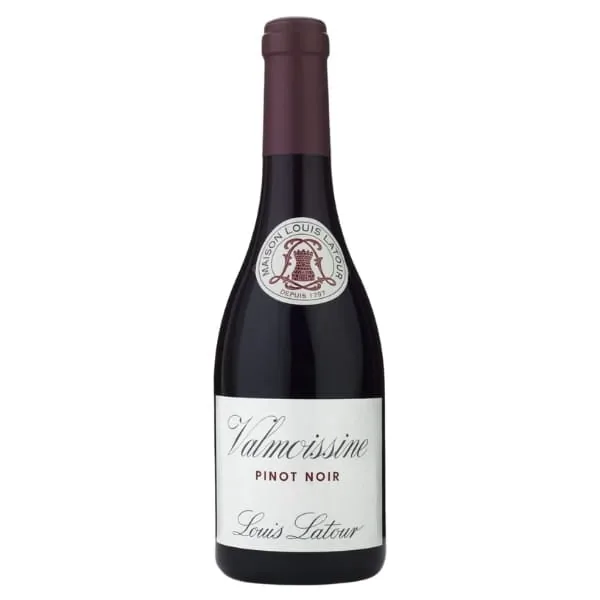
เบอร์กันดีหรือบูร์กอญเป็นภูมิภาคไวน์ทางตะวันออกเฉียงเหนือของฝรั่งเศสที่ค่อนข้างเล็ก อากาศเย็น และอยู่ค่อนไปทางเหนือ แต่ผลิตไวน์ที่เป็นที่ต้องการ ราคาสูง และประณีต มีพื้นที่ปลูกองุ่นเพียงกว่า 66,000 เอเคอร์ หรือ 26,700 เฮกตาร์ ราวหนึ่งในสี่ของขนาดบอร์โด องุ่นสองพันธุ์เป็นตัวนำ คือ ไวน์ขาวระดับสูงของเบอร์กันดีแทบทั้งหมดเป็นชาร์ดอนเนย์ และไวน์แดงระดับสูงแทบทั้งหมดเป็นปิโนต์นัวร์ ทั้งสองพันธุ์ปลูกแบบไม่ผสมกับพันธุ์อื่น เพราะทั้งคู่แสดงความงดงามสูงสุดในอากาศเย็น และเบอร์กันดีเป็นภูมิภาคไวน์แดงที่อากาศเย็นและอยู่ค่อนไปทางเหนือ จึงให้ไวน์แดงที่กลิ่นและรสเข้มข้นแต่บอดี้เบาถึงกลาง พร้อมความนุ่มละมุนอย่างผ้าบาง เหนืออื่นใด เบอร์กันดีคือบทเรียนเรื่องแตร์รัวร์ เพราะตลอดหลายศตวรรษ พระคณะเบเนดิกตินและซิสเตอร์เชียนได้แบ่งเขตไร่องุ่นแปลงต่อแปลง และวางให้แตร์รัวร์เป็นแกนกลางของการปลูกองุ่น ไร่องุ่นในเบอร์กันดีถูกนิยามด้วยแตร์รัวร์ ไม่ใช่ด้วยความเป็นเจ้าของ ไร่แปลงเดียวจึงมักมีเจ้าของหลายราย อย่างกรองด์ครูโกลเดอวูโฌที่มีพื้นที่ 125 เอเคอร์และมีเจ้าของถึง 80 ราย คำว่าโดแมนหมายถึงกลุ่มแปลงเล็ก ๆ ที่กระจัดกระจายอยู่หลายที่ ไร่ที่มีเจ้าของรายเดียวเรียกว่าโมโนโปลและพบได้ยาก และในอดีตไวน์จำนวนมากบรรจุขวดโดยพ่อค้าเนโกซียองที่รับและผสมไวน์ล็อตเล็ก ๆ คุณภาพแบ่งเป็นบันไดสี่ชั้น จากระดับภูมิภาคหรือบูร์กอญ ขึ้นไปเป็นระดับหมู่บ้าน พรีเมียร์ครู และกรองด์ครู ภูมิภาคนี้มีเขตย่อยหลักสี่เขต คือ ชาบลี ซึ่งปลูกชาร์ดอนเนย์เท่านั้น โกตดอร์ ซึ่งประกอบด้วยโกตเดอนุยที่ผลิตไวน์แดงเท่านั้นและโกตเดอโบนที่ผลิตทั้งแดงและขาว โกตชาลอนแนส และมากอนแน ส่วนโบโฌเลแม้ในทางปกครองจะเป็นส่วนหนึ่งของเบอร์กันดี แต่ใช้องุ่นกาเมเป็นหลักและถูกแยกกล่าวถึงต่างหาก
เขตย่อยใน Burgundy
Gevrey-Chambertin
Gevrey-Chambertin anchors the northern Côte de Nuits. Nine Grands Crus, including Chambertin and Chambertin Clos de Bèze, grow on limestone-marl soils. Pinot Noir dominates; wines trend fuller and firmer than neighbouring villages.
ดู 41 ขวดChablis
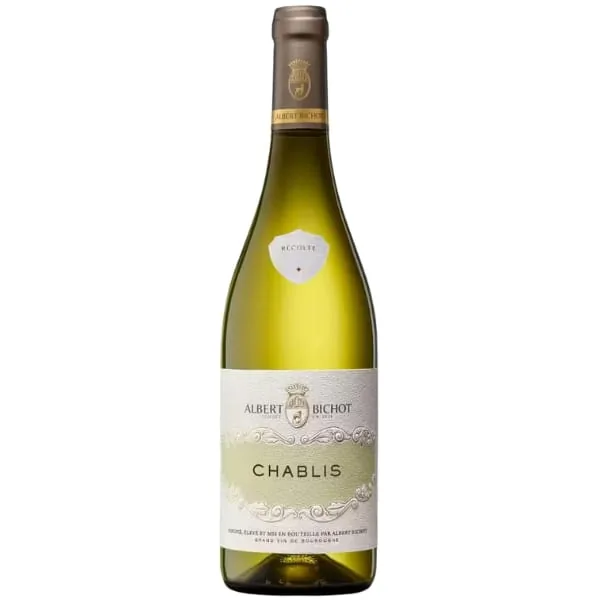
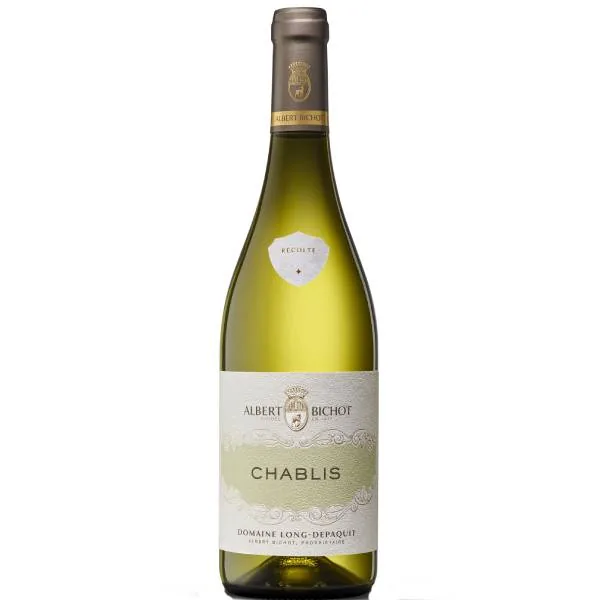
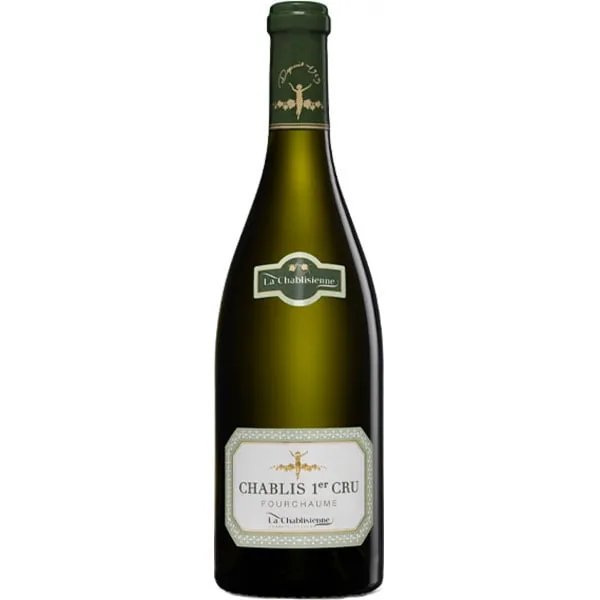
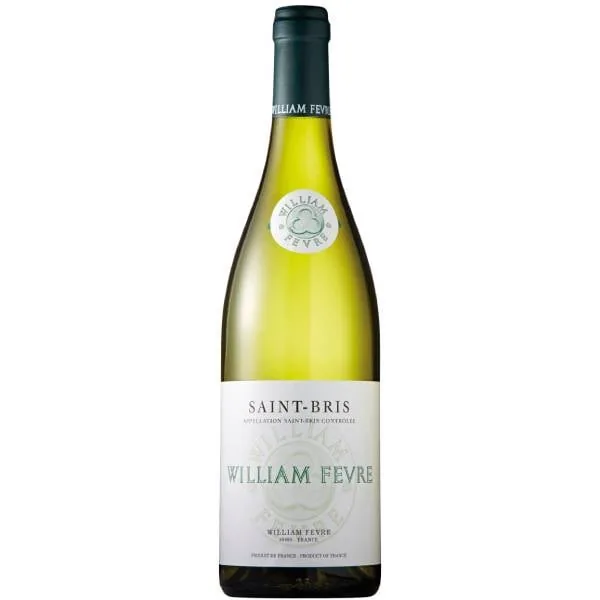
Chablis is the northernmost sub-region of Burgundy, an isolated island of vineyards far north of the Côte d'Or and closer to Champagne. It is entirely devoted to CHARDONNAY. Its harsh, wet, very cold, Atlantic-influenced climate and its whitish Kimmeridgian limestone soil (full of fossil oyster shells) give wines that are so crisp and racy they 'vibrate with spring-loaded acidity' — steely, minerally, gunflint (goût de pierre à fusil) in character and quite unlike chardonnay from anywhere else. Most Chablis is made entirely in stainless steel to preserve purity of flavor. Chablis has numerous Premier Crus and a single Grand Cru, itself made up of seven contiguous climats (Blanchot, Bougros, Grenouilles, Les Clos, Les Preuses, Valmur and Vaudésir) — a textbook example of the climat concept, a single named vineyard being the true unit of Burgundy.
ดู 39 ขวดCôte de Nuits
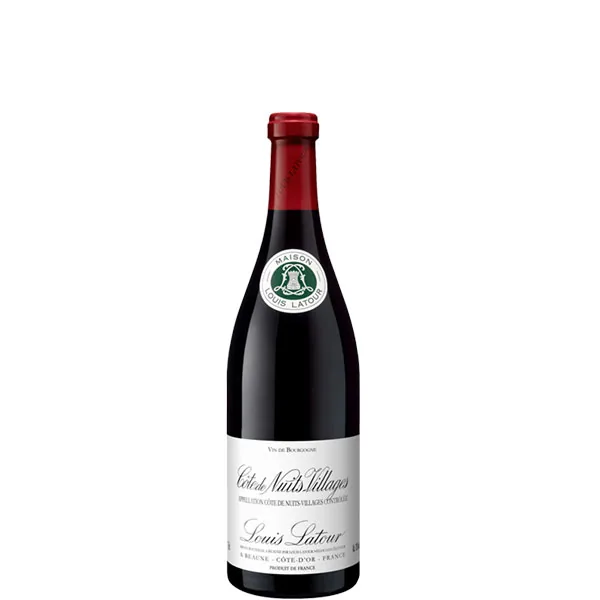
The Côte de Nuits is the NORTHERN half of the Côte d'Or, the 30-mile limestone escarpment that is Burgundy's most renowned region. It is planted virtually entirely with PINOT NOIR and so makes RED wines almost exclusively. Its villages — Gevrey-Chambertin, Morey-St.-Denis, Chambolle-Musigny, Vougeot, Flagey-Echézeaux, Vosne-Romanée and Nuits-St.-Georges among them — are home to most of Burgundy's Grand Cru red vineyards (Le Chambertin, Le Musigny, Clos de Vougeot, La Tâche, Romanée-Conti and more). Its top reds tend to have greater intensity and a firmer structure than those of the Côte de Beaune.
ดู 27 ขวดChassagne-Montrachet
Côte de Beaune village split between white and red production. Chardonnay dominates the east-facing limestone premiers crus; Pinot Noir covers southern clay soils. Shares Le Montrachet and Bâtard-Montrachet grands crus with Puligny.
ดู 20 ขวดCôte de Beaune
The Côte de Beaune is the SOUTHERN half of the Côte d'Or. It is planted with both pinot noir and chardonnay and makes both RED and WHITE wines, though its ultra-famous whites — Puligny-Montrachet, Chassagne-Montrachet, Meursault, Corton-Charlemagne — dominate its fame; ALL white Burgundy from the Côte d'Or comes from here. Its top reds (Aloxe-Corton, Beaune, Volnay, Pommard) are frequently softer and more lush than those of the Côte de Nuits; its Premier and Grand Cru whites can be rich and concentrated without being heavy.
ดู 15 ขวดPommard
Pommard produces Pinot Noir with notable structure and tannin, atypical for Côte de Beaune. Clay-heavy soils on mid-slope sites drive density. Two Premier Crus—Les Épenots and Les Rugiens—anchor the appellation's reputation for age-worthy reds.
ดู 12 ขวดPouilly-Fuissé
Pouilly-Fuissé produces Chardonnay from Jurassic limestone and clay soils in the Mâconnais. Elevated premier cru classifications were introduced in 2020. Warmer than Côte d'Or, yielding richer, rounder whites with moderate acidity.
ดู 11 ขวดBeaune
Beaune is Burgundy's historic wine trade hub. Its east-facing Côte slopes yield Pinot Noir and Chardonnay on limestone-clay soils. No Grands Crus, but 42 Premiers Crus, led by Grèves and Fèves. Home to the Hospices de Beaune annual charity auction.
ดู 7 ขวดVolnay
Volnay produces Pinot Noir on the Côte de Beaune's limestone and clay slopes. No Grands Crus exist, but 35 Premiers Crus dominate. Wines show pale colour, red-fruit character, and fine tannins—distinct from the broader structure of neighbouring Pommard.
ดู 7 ขวด