Burgundy
France's most terroir-obsessed, cool-climate region: unblended chardonnay (whites) and pinot noir (reds), a Regional→Village→Premier Cru→Grand Cru quality ladder, and a fragmented domaine/monopole/négociant ownership system across Chablis, the Côte d'Or, the Côte Chalonnaise and Mâconnais.
About the region
Burgundy (Bourgogne) is a comparatively small, cool, northerly wine region in northeastern France that makes some of the world's most sought-after, expensive and exquisite wines — just over 66,000 acres (26,700 hectares) of vines, roughly a quarter the size of Bordeaux. Two grapes dominate: virtually all top white Burgundy is CHARDONNAY and virtually all top red Burgundy is PINOT NOIR, each grown unblended because both reach their greatest elegance in a cool climate — and Burgundy is the coolest, most northern of the world's great red-wine regions, giving reds that are intensely flavored yet light to medium in body with a gossamer gracefulness. Above all Burgundy is a study in TERROIR: over centuries Benedictine and Cistercian monks delineated the vineyards plot by plot, establishing terroir as the core of viticulture. A Burgundian vineyard is defined by its terroir, not by ownership, so a single vineyard (like the 125-acre Grand Cru Clos de Vougeot with its eighty owners) usually has many owners; a domaine is a collection of often-tiny scattered parcels; a vineyard with a single owner is a rare monopole; and much wine was historically bottled by négociant brokers who bought and blended small lots. Quality is a four-tier LADDER — from basic Regional (Bourgogne) up through Village and Premier Cru to Grand Cru. The region has four main sub-regions: Chablis (chardonnay only), the Côte d'Or (the Côte de Nuits, red only, and the Côte de Beaune, red and white), the Côte Chalonnaise and the Mâconnais. (Beaujolais, though administratively part of Burgundy, is gamay-based and treated separately.)
Within Burgundy
Gevrey-Chambertin
Gevrey-Chambertin anchors the northern Côte de Nuits. Nine Grands Crus, including Chambertin and Chambertin Clos de Bèze, grow on limestone-marl soils. Pinot Noir dominates; wines trend fuller and firmer than neighbouring villages.
See 38 bottlesChablis
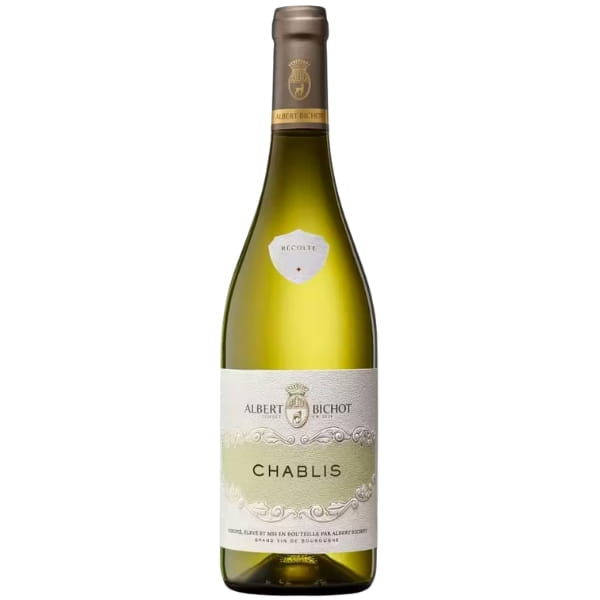
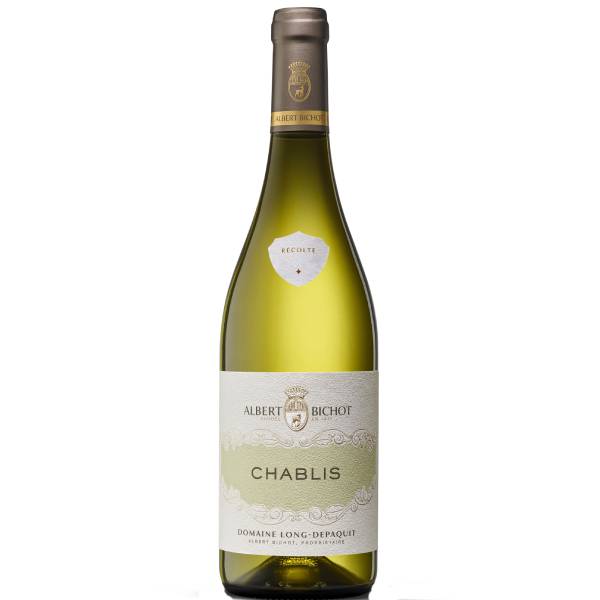
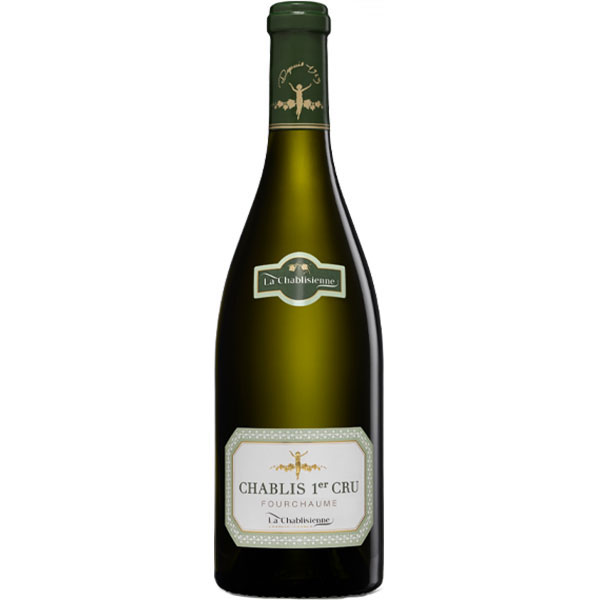
Chablis is the northernmost sub-region of Burgundy, an isolated island of vineyards far north of the Côte d'Or and closer to Champagne. It is entirely devoted to CHARDONNAY. Its harsh, wet, very cold, Atlantic-influenced climate and its whitish Kimmeridgian limestone soil (full of fossil oyster shells) give wines that are so crisp and racy they 'vibrate with spring-loaded acidity' — steely, minerally, gunflint (goût de pierre à fusil) in character and quite unlike chardonnay from anywhere else. Most Chablis is made entirely in stainless steel to preserve purity of flavor. Chablis has numerous Premier Crus and a single Grand Cru, itself made up of seven contiguous climats (Blanchot, Bougros, Grenouilles, Les Clos, Les Preuses, Valmur and Vaudésir) — a textbook example of the climat concept, a single named vineyard being the true unit of Burgundy.
See 34 bottlesCôte de Nuits
The Côte de Nuits is the NORTHERN half of the Côte d'Or, the 30-mile limestone escarpment that is Burgundy's most renowned region. It is planted virtually entirely with PINOT NOIR and so makes RED wines almost exclusively. Its villages — Gevrey-Chambertin, Morey-St.-Denis, Chambolle-Musigny, Vougeot, Flagey-Echézeaux, Vosne-Romanée and Nuits-St.-Georges among them — are home to most of Burgundy's Grand Cru red vineyards (Le Chambertin, Le Musigny, Clos de Vougeot, La Tâche, Romanée-Conti and more). Its top reds tend to have greater intensity and a firmer structure than those of the Côte de Beaune.
See 24 bottlesCôte de Beaune
The Côte de Beaune is the SOUTHERN half of the Côte d'Or. It is planted with both pinot noir and chardonnay and makes both RED and WHITE wines, though its ultra-famous whites — Puligny-Montrachet, Chassagne-Montrachet, Meursault, Corton-Charlemagne — dominate its fame; ALL white Burgundy from the Côte d'Or comes from here. Its top reds (Aloxe-Corton, Beaune, Volnay, Pommard) are frequently softer and more lush than those of the Côte de Nuits; its Premier and Grand Cru whites can be amazingly rich and concentrated without being heavy.
See 12 bottlesPommard
Pommard produces Pinot Noir with notable structure and tannin, atypical for Côte de Beaune. Clay-heavy soils on mid-slope sites drive density. Two Premier Crus—Les Épenots and Les Rugiens—anchor the appellation's reputation for age-worthy reds.
See 10 bottlesPouilly-Fuissé
Pouilly-Fuissé produces Chardonnay from Jurassic limestone and clay soils in the Mâconnais. Elevated premier cru classifications were introduced in 2020. Warmer than Côte d'Or, yielding richer, rounder whites with moderate acidity.
See 10 bottlesChassagne-Montrachet
Côte de Beaune village split between white and red production. Chardonnay dominates the east-facing limestone premiers crus; Pinot Noir covers southern clay soils. Shares Le Montrachet and Bâtard-Montrachet grands crus with Puligny.
See 9 bottlesBeaune
Beaune is Burgundy's historic wine trade hub. Its east-facing Côte slopes yield Pinot Noir and Chardonnay on limestone-clay soils. No Grands Crus, but 42 Premiers Crus, led by Grèves and Fèves. Home to the Hospices de Beaune annual charity auction.
See 5 bottlesVolnay
Volnay produces Pinot Noir on the Côte de Beaune's limestone and clay slopes. No Grands Crus exist, but 35 Premiers Crus dominate. Wines show pale colour, red-fruit character, and fine tannins—distinct from the broader structure of neighbouring Pommard.
See 5 bottles