 เข้าสู่ระบบเพื่อดูภาพ
฿฿฿฿
Grand Cru.
WNLQ9 vintage signal, averaged from Wine Enthusiast Wine Vintage Chart 2026 Edition's 3 closely-agreeing Bordeaux 2008 ratings (Bordeaux Pomerol/Saint-Emilion; Bordeaux Medoc; Bordeaux Graves Red).
เกรดวินเทจประเมินสภาพฤดูเพาะปลูกในแหล่งผลิตของไวน์นี้ — ไม่ใช่การประเมินขวดนี้โดยเฉพาะ แหล่งข้อมูล.
ทีมของเราค้นข้อมูลจากผู้ผลิตและแหล่งอิสระ ไม่ใช่ข้อมูลที่ผู้ขายให้มา
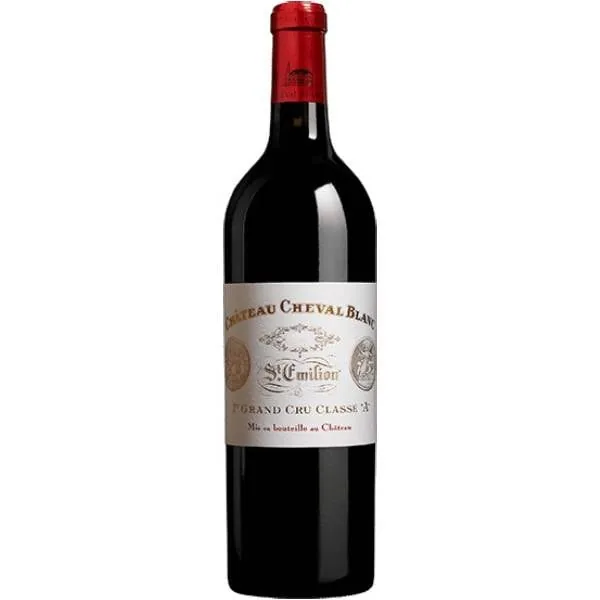
A historic Saint-Émilion estate on the Pomerol border, unusual on the Right Bank for its Cabernet Franc-heavy vineyard (planted roughly 52% Cabernet Franc, 43% Merlot, 5% Cabernet Sauvignon), though the finished blend's actual grape balance shifts by vintage, one of only two Premier Grand Cru Classé A estates named in the original 1955 classification.
Cheval Blanc sits at the edge of Saint-Émilion directly bordering Pomerol, on a distinctive gravelly-clay terroir that historically produces wines of unusual power and perfume for the appellation. Its defining feature is grape composition: where most Right
Bank estates lean heavily on Merlot, Cheval Blanc's vineyard is planted with an unusually high share of Cabernet Franc (around 52% to Merlot's 43% and a small share of Cabernet Sauvignon) — though the finished wine's actual blend varies by vintage and is not
always Cabernet Franc-majority in the bottle (the 2022, for instance, was Merlot-majority) — giving the wine a more perfumed, structured, and age-worthy profile than a typical Pomerol-style Merlot wine.
The estate was one of only two properties (alongside Château Ausone) awarded Premier Grand Cru Classé A status when the Saint-Émilion classification was first published in 1955, a distinction it held through the 2022 vintage before withdrawing from the 2022 reclassification process rather than being reclassified alongside newly promoted estates.
Under estate manager Pierre Lurton since the late 1990s, the wine has continued in its historic style: dense fruit, tobacco and graphite complexity, and firm but polished tannins built for long cellaring.
The estate was formed in 1832 when Jean-Jacques Ducasse, president of the Libourne Court of Appeals, purchased vineyard parcels split from the neighboring Château Figeac; the property took real shape under his son-in-law Jean Laussac-Fourcaud, and adopted the Cheval Blanc name in 1852.
It won recognition at the London and Paris exhibitions of the 1860s and was named Premier Grand Cru Classé A in the inaugural 1955 Saint-Émilion classification, a status it retained for over six decades. In 1998, the château was sold to Bernard Arnault
(chairman of LVMH) and Belgian businessman Albert Frère, with Pierre Lurton installed as estate director — a role he has held for over two decades, overseeing continuity of the estate's style through the change in ownership.
In early 2022, the estate chose to withdraw from the next Saint-Émilion classification cycle rather than be reclassified.
Roast rack of venison with juniper
The wine's Cabernet Franc-driven perfume (tobacco, graphite, dark berry) pairs classically with game meats, where the wine's structure and savory complexity have room to show.
Aged Comté or Gruyère
A firm, nutty aged cheese matches the wine's own graphite and savory tones without the acid clash that softer, younger cheeses can cause with tannic reds.
ข้อมูลสินค้ารวบรวมจากผู้ผลิต ผู้นำเข้าและแหล่งข้อมูลอ้างอิง
ไวน์แดงจากบอร์โดซ์ · บอดี้เต็ม · แห้ง · เข้ากับอาหารจากเนื้อแกะ
** ปีวินเทจอาจเปลี่ยนแปลง โปรดยืนยันกับทีมของเรา
ตัวเลือกของซอมเมอลิเยร์: Roast rack of lamb with herbed jus and flageolet beans · Duck breast à l'orange with wild mushroom fricassée · Truffle-studded beef tenderloin with bone marrow sauce
กำลังโหลดบันทึก…
เคยชิมขวดนี้ไหม?
สอบถามเราทาง LINE
สอบถามเกี่ยวกับขวดนี้