 Log in to view
฿฿
DOCG.
Product information compiled from producer, importer and reference sources.
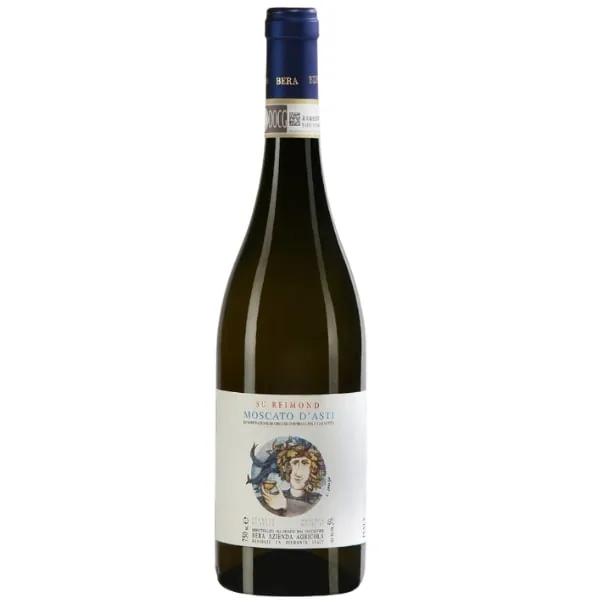
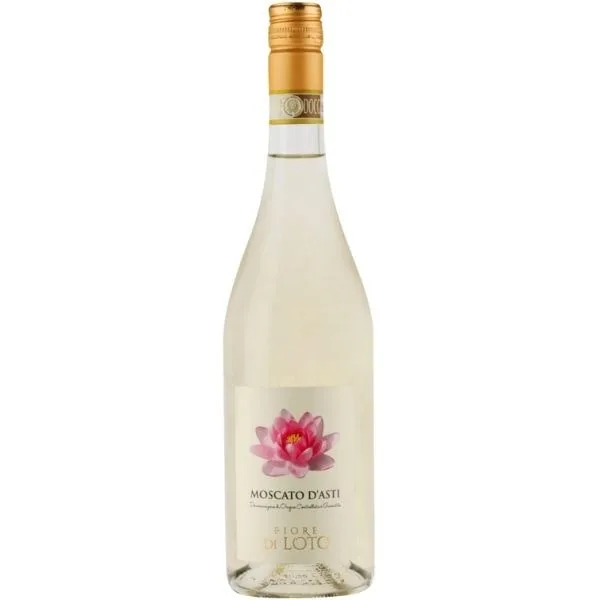
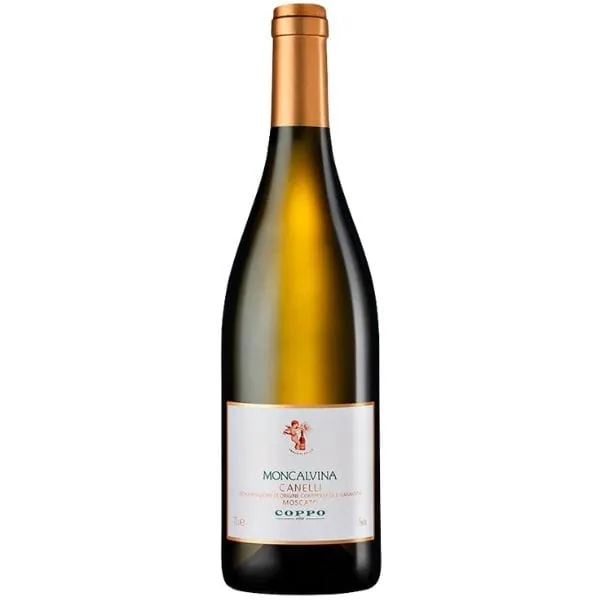
Canelli's Moscato: low-alcohol, naturally sweet sparkle from chalk-rich hillsides; 5.5% ABV, arrested fermentation.
The Transgression: In 1856, Giovanni Giacomo Coppo planted Moscato Bianco on the chalky, clay-rich slopes above Canelli—a village in the Asti DOCG where most producers chase high alcohol. Coppo chose the opposite path: capture the grape's floral intensity at minimal strength.
Site & Soil: Canelli's southeast-facing hillsides sit at 250–300 meters elevation on white marl and limestone—the same geological spine that runs through Barolo country. This chalk-forward terroir accelerates ripening while preserving acidity, critical for a wine arrested mid-fermentation.
Technique: Moscato Bianco grapes are whole-bunch pressed and fermented in temperature-controlled stainless steel at 12–14°C. Fermentation is mechanically halted when residual sugar reaches 65–80 g/L and alcohol stabilizes at 5.5% ABV—a natural brake that locks in primary aromatics.
The wine undergoes a secondary refermentation in bottle, generating 3–4 atmospheres of CO₂, creating the characteristic frizzante (lightly sparkling) texture.
Special Feature: At 5.5% ABV, this sits below the legal minimum for Moscato d'Asti (5.5% is the floor), making it a borderline expression—technically compliant but rarely seen this low. The result: a wine that tastes like concentrated grape juice with carbonation, not fermented alcohol.
Drinking Window: Consume within 12–18 months of release to preserve the delicate floral volatility.
Sommelier’s pick: Panna cotta with berry compote—the frizzante texture cleanses the palate between spoonfuls
Loading notes…
Tasted this?
Ask us on LINE.
Ask about this item