Piedmont
Italy's preeminent fine-wine region and nebbiolo's homeland: the tannic, ageworthy 'king and queen' reds Barolo & Barbaresco (Langhe hills around Alba, tar-and-roses aromatics born of the autumn 'nebbia' fog), with barbera and dolcetto as the everyday reds.
About the region
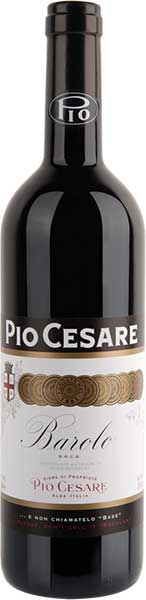
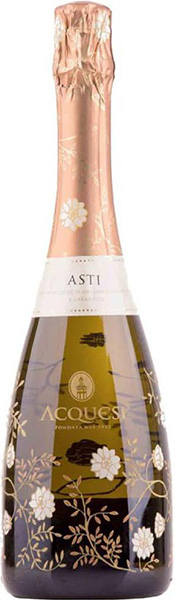
Piedmont ('foot of the mountain'), lying in a remote amphitheatre of the Alps in northwestern Italy, is the country's preeminent fine-wine region and the homeland of the nebbiolo grape — no place in the world grows more of it, or has had more success with this difficult, highly site-specific variety (only about 8 percent of Piedmont's plantings). From nebbiolo come Barolo and Barbaresco, two of Italy's most legendary and serious reds — structured, tannic, ageworthy wines often likened to great red Bordeaux and, in the Italian mind, to the kingly status of France's cabernet sauvignon; Barolo is the more robust and austere (the 'king'), Barbaresco the slightly more graceful (the 'queen'). Both are grown in the Langhe hills of the southeast around the town of Alba, whose clay-limestone-sand soils and south-tilted 'bricco' and 'sori' slopes give maximum ripeness. The grape's very name comes from 'nebbia' (fog) — for the whitish bloom on the ripe grapes and the wisps of fog that envelop the hills at the late, cold-weather harvest — and its wines carry the classic 'tar and roses' aromatics, along with licorice, violets, leather and a rich, espresso-like bitterness from pronounced tannin. Piedmont shares Burgundy's philosophy that great wine is the progeny of a single perfectly adapted grape. Alongside the two great reds, the everyday Piedmontese table reds are barbera (the region's most widely planted grape — vibrant, sometimes rustic, high in acidity and low in tannin) and dolcetto (a juicy quaffing wine with an attractive bitter edge). The region also makes the playful semisweet sparkler Asti and the whites Gavi and arneis. Some 84 percent of Piedmont's wine is DOC or DOCG, and Barolo and Barbaresco were among the first four DOCGs, designated in 1980.
Within Piedmont
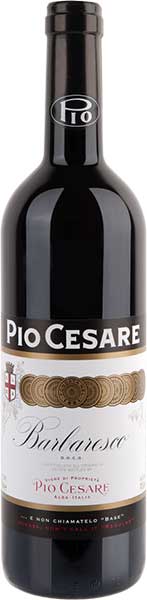
Barbaresco
Barbaresco produces Nebbiolo on Tortonian calcareous marl and sand east of Alba. Slightly warmer and lower than Barolo, it yields earlier-drinking wines. DOCG since 1980; minimum ageing 26 months, 9 in oak.
See 21 bottlesLanghe
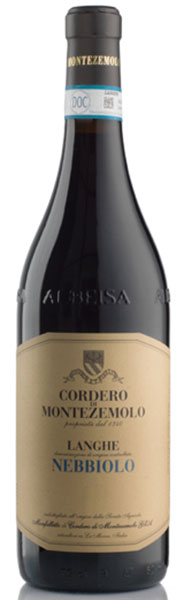
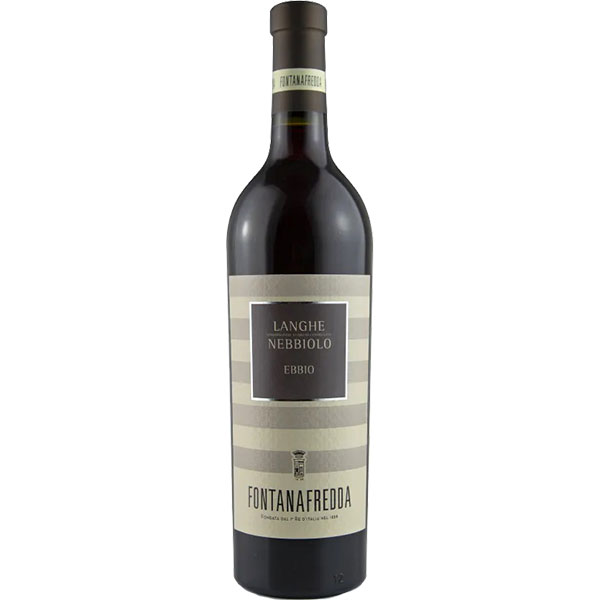
Langhe is the hilly heartland of Piedmont, centred on Alba. Nebbiolo dominates on calcareous Tortonian soils, producing Barolo and Barbaresco. Barbera and Dolcetto ripen on younger Helvetian clay. Continental climate drives acidity and tannin.
See 14 bottles