 Log in to view
฿฿฿฿
Rated 96/100 by Wine Spectator (top 8% of their reviews).
Wine Enthusiast Wine Vintage Chart 2026 Edition rates Champagne 2009.
A vintage grade rates the growing season in this wine’s region — not this specific bottle. Source.
Researched by our team from producer and independent sources — not supplied by the seller.
Dom Pérignon takes its name from the Benedictine cellarer of Hautvillers and belongs to Moët & Chandon, now within LVMH. Champagne Mercier transferred the name to Moët in 1927 as part of a wedding between the two families, and it sat commercially unused for years.
The first vintage was 1921. In 1935 three hundred bottles of a 1926 precursor went to Simon Bros. & Co., Moët's UK importer, for its centenary; the 1921 was released for sale in 1936, shipped to New York aboard the SS Normandie. From 1947 the wine was produced separately from Moët & Chandon's own vintage Champagne.
The first Dom Pérignon Rosé was the 1959, and in 1971 the Shah of Iran ordered bottles of that vintage for the 2,500-year celebration of the Persian Empire. 1986 marked the first rosé vintage released without a corresponding white. Richard Geoffroy served as Chef de Cave from 1990 to 2018, succeeded by Vincent Chaperon, who had worked alongside him for close to fifteen years.
Roast duck breast with cherry
The blended-in red Pinot Noir gives this Champagne enough tannin and dark-fruit weight to sit beside duck rather than under it. The wine's acidity and bubble cut the fat of the skin, while the cherry element bridges to the Pinot fruit.
Steamed river prawns with chilli-lime dipping sauce (กุ้งแม่น้ำเผา น้ำจิ้มซีฟู้ด)
Sweet grilled prawn flesh meets a sauce built on lime, garlic and chilli. The wine's sustained acidity refreshes against the sourness instead of fighting it, and its broader red-fruit frame has enough body to survive a moderate chilli hit that would flatten a lighter blanc de blancs.
Jamón ibérico and aged Manchego
Cured pork fat and hard sheep's cheese are salty and rich; the pressure and acidity scrub the palate between bites. The savoury, slightly earthy register the Rosé develops after long lees ageing echoes the nuttiness of the ham rather than clashing with it.
Product information compiled from producer, importer and reference sources.
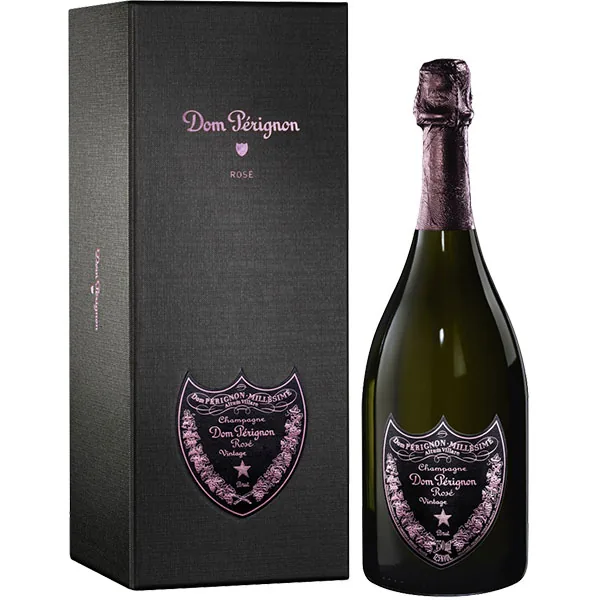
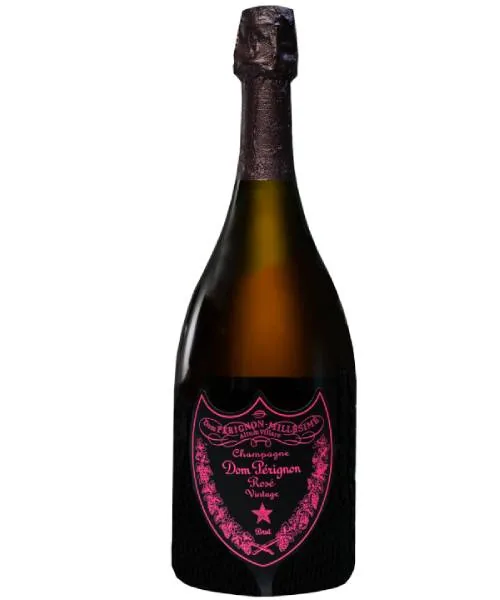
Dom Pérignon Rosé 2009 — reductive lees aging on Pinot Noir-dominant chalk terroir; exclusively vintage-declared, never blended across years.
Dom Pérignon has never produced a non-vintage wine in its history — every bottle carries a year, and if the harvest falls short, nothing is released. The 2009 Rosé emerges from that uncompromising standard, built on a fixed core of Grand Cru and Premier Cru plots: Pinot Noir from Aÿ, Bouzy, Mailly-Champagne, and Verzenay, Chardonnay from Chouilly, Cramant, Avize, and Le Mesnil-sur-Oger.
The deep chalk and limestone subsoils across these crus act as a moisture reservoir, sustaining vine hydration through stress periods and driving the house's signature mineral tension into the fruit. Whole-cluster Coquard pressing minimises skin contact before
separate stainless-steel vinification of each variety; malolactic fermentation is conducted, and the wine undergoes extended lees aging undisgorged in chalk cellars — a minimum of eight to nine years for the P1 release — with zero oak contact at any stage.
Two distinct yeast strains drive primary fermentation; two further strains manage the in-bottle prise de mousse, a four-yeast architecture Chef de Cave Vincent Chaperon identifies as central to long-term aging capacity. What separates Dom Pérignon from every
other grande marque is structural: the same vintage can be re-released as P2 (15+ years on lees) or P3 (30–40 years), meaning the 2009 Rosé is not a finished statement but the first of potentially three distinct expressions of a single harvest.
** Vintage may change — please confirm with our team.
Sommelier’s pick: Grilled Brittany lobster with bisque butter and tarragon · Duck breast with sour cherry reduction and foie gras torchon · Aged Comté with honeycomb and walnut bread
Loading notes…
Tasted this?
Ask us on LINE.
Ask about this item