 Log in to view
฿฿฿
WNLQ9 vintage signal, averaged from Wine Enthusiast Wine Vintage Chart 2026 Edition's 3 closely-agreeing Tuscany 2019 ratings (Tuscany Bolgheri; Tuscany Chianti Classico; Tuscany Brunello).
A vintage grade rates the growing season in this wine’s region — not this specific bottle. Source.
Product information compiled from producer, importer and reference sources.
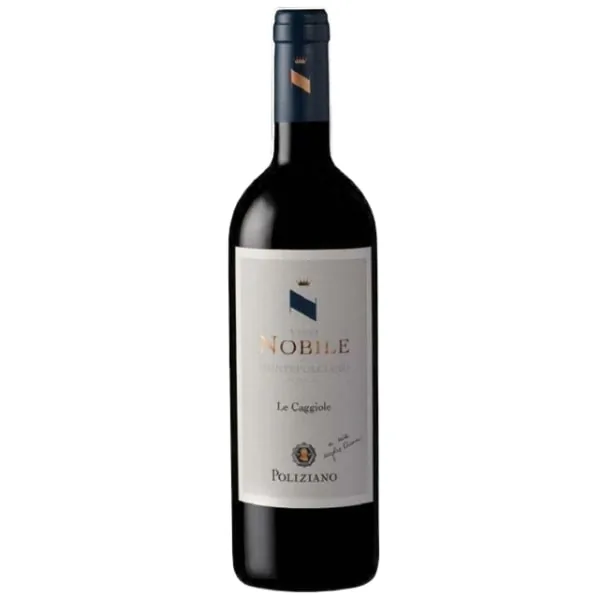
Montepulciano's clay-limestone slopes yield Poliziano's structured Sangiovese: 18 months in French oak, drinking at peak maturity.
Poliziano's Le Caggiole originates from vineyard parcels on the eastern slopes of Montepulciano, where clay-rich soils interlayered with limestone bedrock sit at 250–350 meters elevation. This aspect captures afternoon sun while benefiting from cooling Valdichiana valley breezes, extending ripening and building phenolic complexity in the Sangiovese Grosso clone.
Fermentation occurs in temperature-controlled stainless steel, followed by 18 months in French oak barrels (approximately 50% new), with regular lees stirring during the first six months. The wine then rests in bottle for a minimum of four months before release, allowing tannin integration and aromatic development.
Le Caggiole represents Poliziano's mid-tier expression within the Vino Nobile hierarchy—positioned between the entry-level Rosso di Montepulciano and the flagship Asinone reserve. The 50% new oak regime balances fruit expression with structural support, avoiding over-extraction while maintaining the terroir signature of Montepulciano's mineral-driven profile.
Current releases show full phenolic maturity with secondary aromatics emerging. The wine will continue evolving through 2032, with optimal drinking window 2025–2030.
Sommelier’s pick: Bistecca alla fiorentina with rosemary and sea salt · Brasato al Barolo (beef braised in wine reduction) · Pappardelle with wild boar ragù
Loading notes…
Tasted this?
Ask us on LINE.
Ask about this item