 Log in to view
฿฿
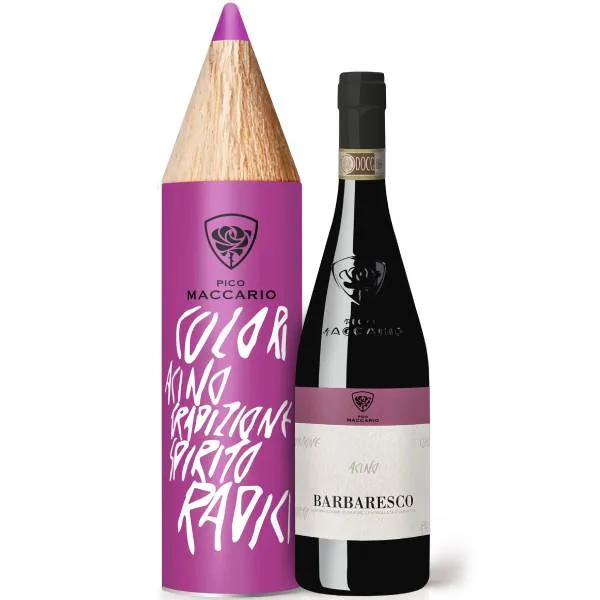
DOCG, Barbaresco.
WNLQ9 vintage signal, averaged from Wine Enthusiast Wine Vintage Chart 2026 Edition's 2 closely-agreeing Piedmont 2022 ratings (Piedmont Barbaresco; Piedmont Barolo).
A vintage grade rates the growing season in this wine’s region — not this specific bottle. Source.
Product information compiled from producer, importer and reference sources.
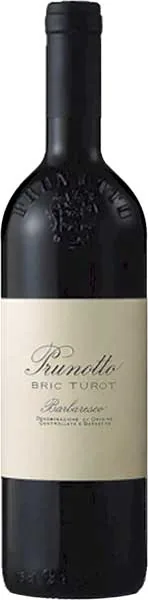
Nebbiolo from Barbaresco's Langhe hills — Prunotto's entry into Piedmont's second great DOCG, built on tar, rose, and firm structure.
Prunotto, founded in 1904 as a cooperative before becoming one of the Langhe's most recognised négociant-estates, has sourced Nebbiolo from the Barbaresco commune for decades — a deliberate counterpoint to its Barolo holdings, where the lighter soils and shorter maceration tradition produce a structurally distinct expression of the same grape.
Barbaresco's vineyards sit at roughly 150–400 metres on the right bank of the Tanaro, where Tortonian marl and Helvetian sandstone — the so-called Sant'Agata fossil marls — deliver wines with more immediate aromatic lift and finer tannin grain than the heavier Serralunga clays across the valley.
The wine undergoes fermentation on Nebbiolo skins followed by aging in large Slavonian oak botti, the traditional Piedmontese vessel that imparts slow micro-oxygenation without dominant wood flavour, preserving the grape's characteristic tar and dried rose character. Malolactic fermentation is standard for the appellation.
Prunotto delivers Barbaresco's structural DNA — the high acidity and grippy tannin of Nebbiolo. Drink from release through 6–8 years for primary fruit alongside developing tertiary complexity.
Sommelier’s pick: Braised beef short rib with rosemary jus · Tajarin pasta with Piedmontese meat ragù · Aged Parmigiano-Reggiano with truffle honey
Loading notes…
Tasted this?
Ask us on LINE.
Ask about this item