 Log in to view
฿฿฿฿
Product information compiled from producer, importer and reference sources.
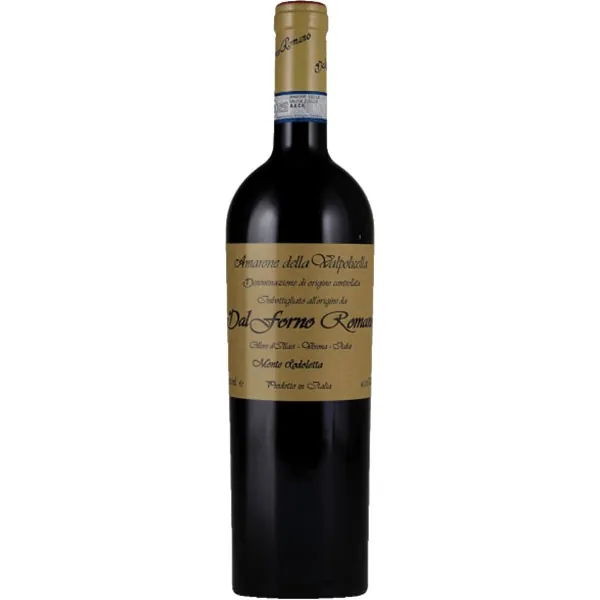
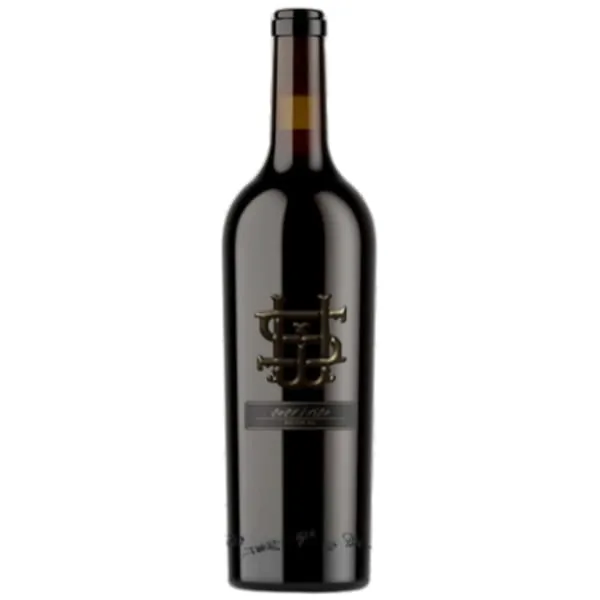
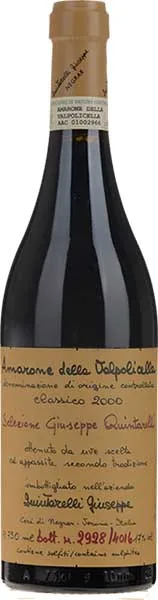
Monte Cà Paletta, 500m limestone-basalt soils; 4–5+ months appassimento, 7–8 years Slavonian botti — the 2000 from Amarone's defining house.
When Giuseppe 'Bepi' Quintarelli declined to produce Amarone in difficult vintages — releasing the declassified Rosso del Bepi instead — he codified a discipline almost no Valpolicella producer has matched. The 2000 is one of the expressions that did make the
cut, drawn from the 12-hectare estate anchored on Monte Cà Paletta hill in Cerè di Negrar, where volcanic basalt and limestone soils at approximately 500 metres elevation drain freely, concentrate sugars without flabbiness, and preserve the acidity that makes long aging possible.
Grapes — predominantly Corvina and Corvinone, with Rondinella, Cabernet Sauvignon, Nebbiolo, Croatina, and Sangiovese — were hand-harvested in multiple passes, then dried on wooden racks for four to five-plus months of appassimento, far beyond regional norms.
Fermentation followed at low temperature, with the wine then transferred to large-format neutral Slavonian oak botti for approximately 7–8 years — no new oak, no barrique, no concession to modern extraction. The result is concentration without cosmetic wood.
What separates Quintarelli from every peer is the non-indigenous additions — Nebbiolo and Cabernet Sauvignon woven into a DOCG Amarone blend — a deliberate transgression that adds structural backbone invisible in the varietal notes.
At over two decades of age, the 2000 is in its drinking prime, with dried cherry, iron, and tobacco complexity fully integrated; a further decade of cellaring remains viable.
Sommelier’s pick: Braised Wagyu short rib with bone marrow gremolata · Aged Parmigiano-Reggiano (36-month) with truffle honey · Slow-roasted duck breast with dried cherry reduction
Loading notes…
Tasted this?
Ask us on LINE.
Ask about this item