Veneto
The north's biggest wine region by volume, home to three classics: Soave (garganega white, east of Verona), Valpolicella and its powerful amarone (corvina, dried by the appassimento method to a full-bodied 15-16% 'great bitter one'), and Prosecco (glera sparkling, the Bellini's base).
About the region
The Veneto, in Italy's northeast around Venice and Verona, is the leading wine-producing region of the north by volume and in some years the most prolific region in all of Italy — much of it forgettable, mass produced, and once shipped in oceans to the United States and Britain, yet the region is also home to some great classics. Three wines define it. Soave, one of Italy's most widely known exported whites, comes from the castle-topped hill town east of Verona and is built on garganega (an old Veronese grape grown since the Renaissance), blended with 'trebbiano di Soave' (actually verdicchio bianco); in its classic style it is light, fresh and smooth (soave means 'suave'/'smooth'), rising through Soave Classico to Classico Superiore. Valpolicella and its powerful amarone are made near Verona chiefly from corvina (corvina Veronese), the leading native red grape, with rondinella, molinara and sometimes negrara. Amarone ('great bitter one') is produced by the appassimento method: the ripest whole bunches are dried on bamboo racks or in cool lofts for three to four months, losing up to a third of their weight, which concentrates their sugar and flavour — the fermented result is opulent, full-bodied and, at 15 to 16 percent alcohol, far higher than a regular Valpolicella (around 12 percent), a powerhouse with a Portlike body and deep bitter-chocolate, mocha, dried-fig and earthy flavours. The same drying method gives the sweet reciotos (recioto della Valpolicella, recioto di Soave), while Valpolicella ripasso is re-passed over amarone pomace for extra body. Third is Prosecco, the Veneto's ubiquitous, chic, casual spumante made principally from glera (the grape formerly called prosecco, renamed in 2009) by the tank-fermented Charmat process — fully sparkling, dry and fruity with an appealing bitter edge, and the base of the Bellini cocktail; the top tier comes from the Conegliano-Valdobbiadene hills north of Venice, elevated to DOCG in 2009.
Within Veneto
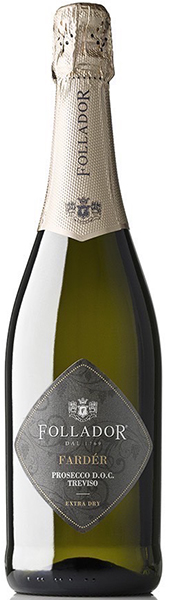
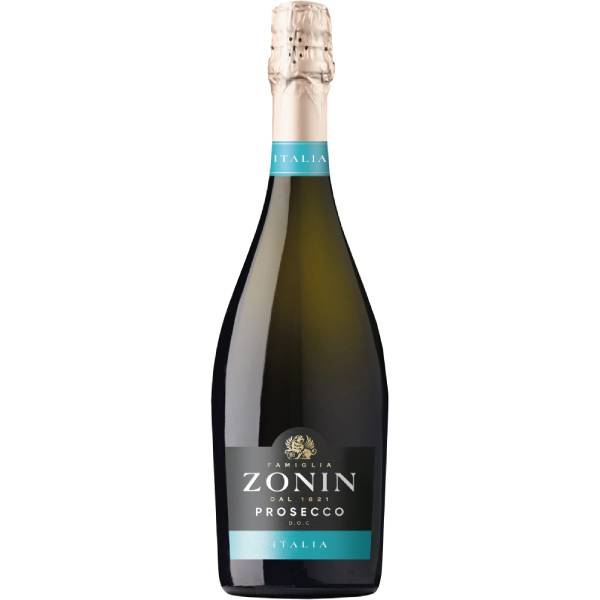
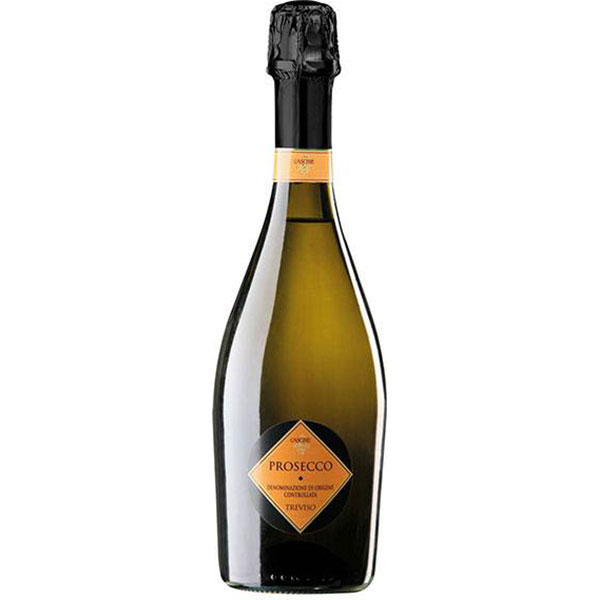
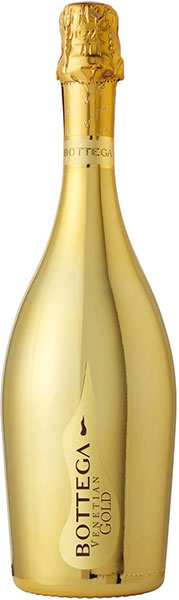
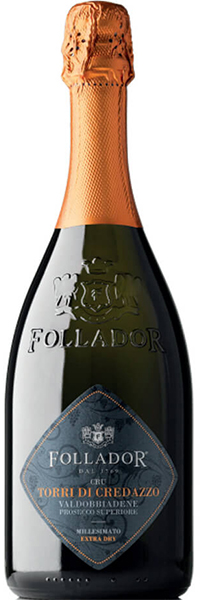
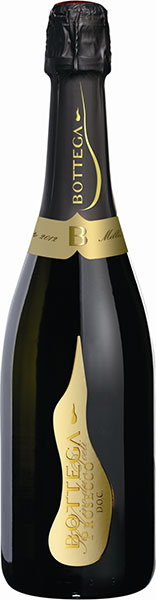
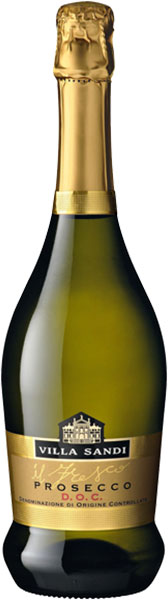
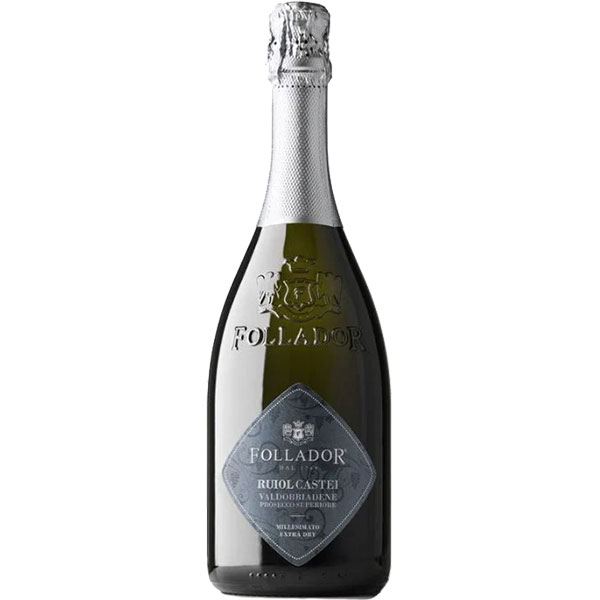
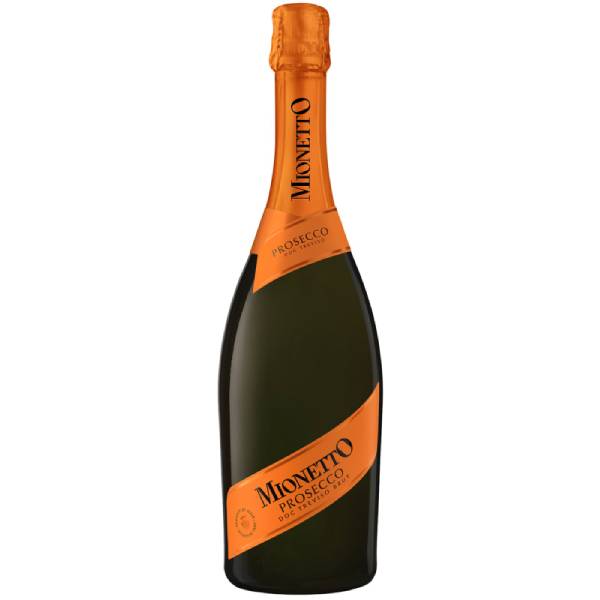
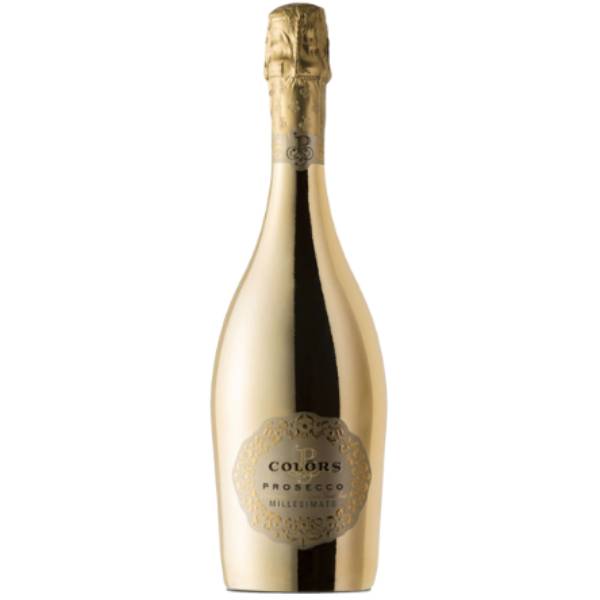
Prosecco
Prosecco DOC and DOCG (Conegliano Valdobbiadene) are produced from Glera on steep hillsides in Treviso. Secondary fermentation in tank (Charmat method) preserves fresh, light character. Superiore di Cartizze is the single-hill apex.
See 79 bottlesSoave
Soave produces dry whites from Garganega, blended with Trebbiano di Soave. Classico zone covers the original volcanic basalt hills; Colli Scaligeri extends to alluvial plains. Top Recioto di Soave is a sweet passito style.
See 6 bottlesValpolicella
Valpolicella, near Verona, produces Corvina-dominant reds across four styles: fresh Classico, Ripasso (refermented on Amarone skins), dried-grape Amarone, and sweet Recioto. Hillside vineyards on limestone and clay define the appellation.
See 5 bottles