 Log in to view
฿฿฿
Product information compiled from producer, importer and reference sources.
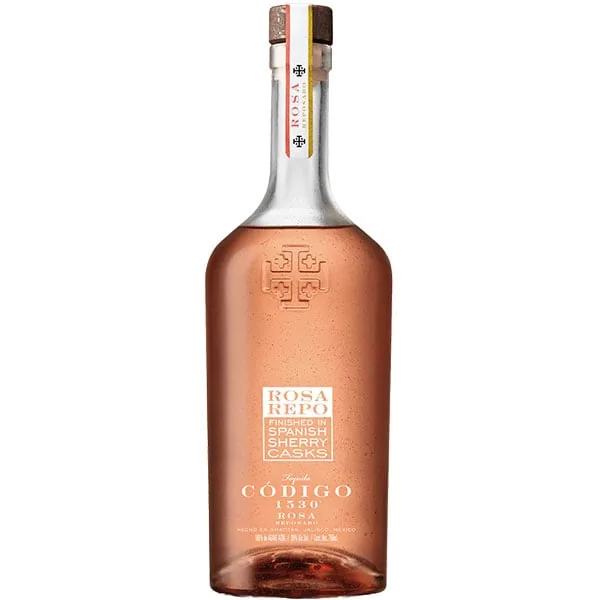
Blanco rested 1 month in uncharred French White Oak ex-Napa Cabernet barrels — the expression that created the rosé tequila category.
When Código 1530 launched its Rosa in 2016, no other Jalisco producer had deliberately rested a Blanco in uncharred French White Oak ex-Napa Valley Cabernet Sauvignon barrels to produce a naturally pink tequila — no colorants, no sweeteners, no glycerin. The pink hue is purely the barrel's residual Cabernet pigment migrating into the spirit over one month of contact. That single decision defined a new sub-category.
The agave originates from the Los Bajos (Lowlands) volcanic soils of Amatitán, Jalisco — rain-fed, mineral-rich terrain sitting at lower elevation than the Highlands, producing piñas harvested only at ≥32 Brix. Process water is filtered through volcanic rock, reinforcing the earthy, mineral character the region is known for.
Fermentation is driven by heirloom bread yeast from a multi-generational Amatitán bakery, running 4–12 days — far longer than industrial tequila norms — building textural depth before double distillation in custom handmade stainless steel pot stills.
Where virtually every aged tequila in Jalisco reaches for ex-bourbon American oak, Código 1530 uses French White Oak ex-wine barrels across its entire rested lineup, trading coconut-vanilla for eugenol-driven clove spice and red-fruit lift. The Rosa sits at the lightest end of that philosophy — just enough barrel time to tint and perfume without obscuring the volcanic-soil agave character beneath.
Sommelier’s pick: Hamachi crudo with yuzu and serrano · Grilled tiger prawns with guajillo-lime butter · Burrata with heirloom tomato and basil oil
Loading notes…
Tasted this?
Ask us on LINE.
Ask about this item