 Log in to view
฿฿฿฿
Product information compiled from producer, importer and reference sources.
Durango mezcal from Clase Azul: wild Durangensis agave, artisan production — a deliberate step outside the Jalisco Highlands tequila identity that built the brand.
When Arturo Lomelí founded Clase Azul in 1997 and priced his first tequila at $100 — roughly six times the category average — he was making a statement about what Mexican agave spirits could be worth. The Mezcal Durango extends that argument into entirely
different botanical territory: Agave durangensis, a wild species native to the high-altitude sierra of Durango state, harvested at full maturity from terrain that is categorically distinct from the red volcanic soils of Los Altos de Jalisco where the core tequila range originates.
Durango's rocky, mineral-dense highland landscape imparts a leaner, more resinous agave character than the sweeter, larger piñas the brand is known for coaxing from Jalisco.
Production follows traditional mezcal craft: pit-roasting of the piñas to develop smoke and char complexity, open-air fermentation, and distillation in clay or copper pot stills — a process deliberately unfiltered in spirit compared to the triple-filtered, stainless-and-copper-coil tequila line.
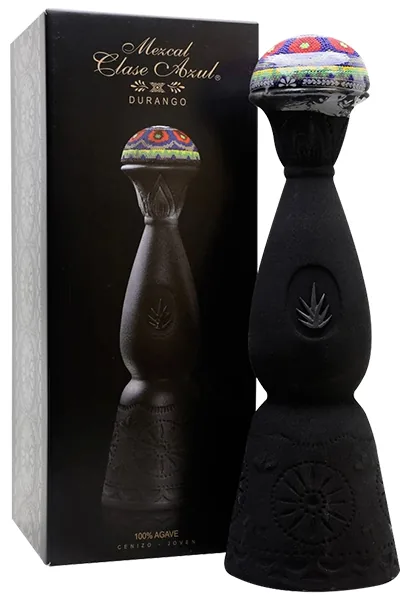
The ceramic decanter, hand-painted by Mazahua artisans in Santa María Canchesda over approximately two weeks, remains the visual signature across the portfolio.
What makes this expression categorically unusual is the species transgression itself: Clase Azul built its identity on a single varietal — Tequilana Weber Blue Agave — and here abandons it entirely for a wild, non-Weber species under a different DO, producing a mezcal that shares the brand's luxury vessel but almost nothing of its production logic.
Sommelier’s pick: Oaxacan black mole with turkey · Aged manchego with dark honey and walnuts · Grilled cactus paddle (nopales) with queso fresco
Loading notes…
Tasted this?
Ask us on LINE.
Ask about this item