 Log in to view
฿฿฿฿
Product information compiled from producer, importer and reference sources.
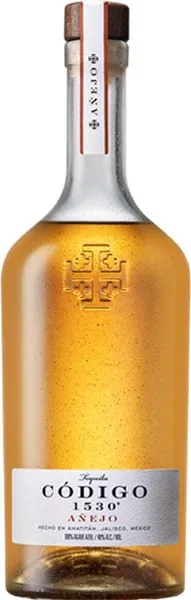
18-month Añejo from Amatitán's volcanic Lowlands, aged exclusively in uncharred French White Oak ex-Napa Cabernet barrels — no bourbon oak, no additives.
When Ron Snyder and Federico Vaughan built Código 1530 around a private family recipe from Amatitán, their most transgressive decision was categorical: every aged expression would rest in uncharred French White Oak barrels that previously held Napa Valley Cabernet Sauvignon — discarding the ex-bourbon American oak that defines virtually every other Jalisco producer.
The Añejo spends 18 months in those ex-wine barrels, absorbing eugenol-driven clove spice and a faint red-fruit lift that bourbon staves simply cannot deliver.
Amatitán sits in the Los Bajos Lowlands, where volcanic basalt soils and rain-fed irrigation push Blue Weber agave toward richer, earthier sugar accumulation — each piña accepted only at ≥32 Brix, ensuring concentrated raw material before distillation even begins.
Process water filters naturally through the same volcanic rock, threading a mineral thread through the spirit.
Fermentation is driven by heirloom bread yeast sourced from a multi-generational Amatitán bakery, running an extended 4–12 days in stainless steel — far longer than industrial tequila norms — building a mineral-dense, earthy fermentation character. Double distillation follows in custom handmade stainless steel pot stills. The finished spirit carries zero additives, colorants, or sweeteners.
The French oak regime produces a Añejo profile unlike any Lowlands peer: clove and dried cherry where competitors show coconut and vanilla. Drink now through the near term; the wine-barrel integration is already seamless.
Sommelier’s pick: Slow-roasted duck breast with mole negro · Aged Manchego with quince paste · Grilled ribeye with chimichurri and charred scallions
Loading notes…
Tasted this?
Ask us on LINE.
Ask about this item