 Log in to view
฿฿
Product information compiled from producer, importer and reference sources.
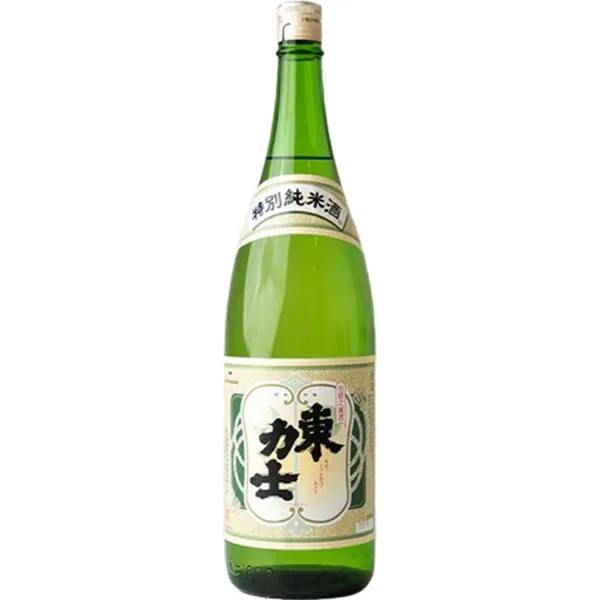
Tochigi Junmai from a brewery founded 1849, drawing on soft Naka River groundwater for slow fermentation and a rice-forward, umami-laden depth.
Shimazaki Sake Brewery, established in Nasukarasuyama City, Tochigi in 1849 by Hikobe Shimazaki, built its identity around richness rather than the delicate aromatics that dominate premium sake marketing — a deliberate counter-position that shapes every tier of the range, including this Tokubetsu Junmai.
The brewery sits at the foothills of Mt. Nasu, drawing subterranean groundwater fed by the Naka River — characteristically soft water that slows saccharification, extends fermentation, and pulls a naturally sweet, full-textured profile from the rice.
Approximately 50% of sake rice is locally sourced within 50 km of the brewery, with Tochigi Prefecture-exclusive cultivars — Tochigi no Hoshi, Hitogochi, and Yumesasara — alongside nationally recognized Yamadanishiki and Gohyakumangoku.
Fermentation follows multiple parallel fermentation using Aspergillus oryzae koji and Saccharomyces cerevisiae, with low-temperature protocols standard across the range. The Tokubetsu Junmai designation signals a step above standard Junmai — either a superior rice variety, a tighter polish, or a proprietary technique applied beyond the baseline classification requirement.
What sets Azumarikishi apart categorically is its house-wide commitment to body and umami depth in a region (Tochigi) not yet commodified by the global sake market, offering a rice-forward profile that the Niigata tanrei-karakuchi style explicitly avoids. Drink now or hold short-term; the soft-water fermentation base gives this expression approachable texture without sacrificing structural grip.
Sommelier’s pick: Grilled yellowtail collar with yuzu kosho · Steamed pork belly with fermented black bean sauce · Aged Gouda with toasted sesame crackers
Loading notes…
Tasted this?
Ask us on LINE.
Ask about this item