 Log in to view
฿฿
Product information compiled from producer, importer and reference sources.
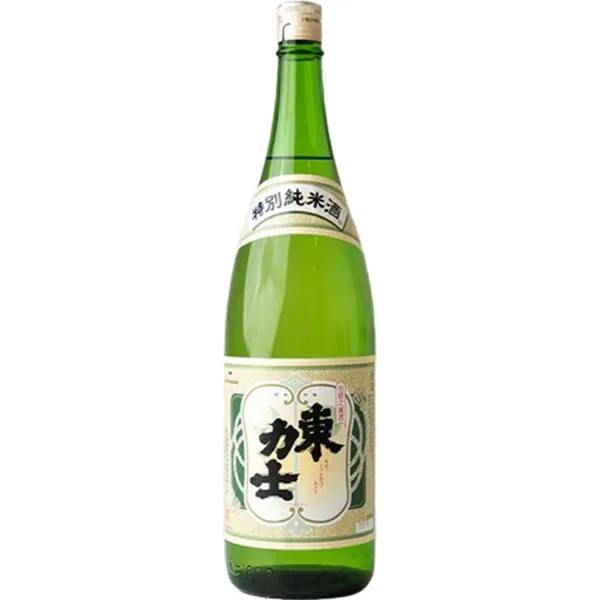
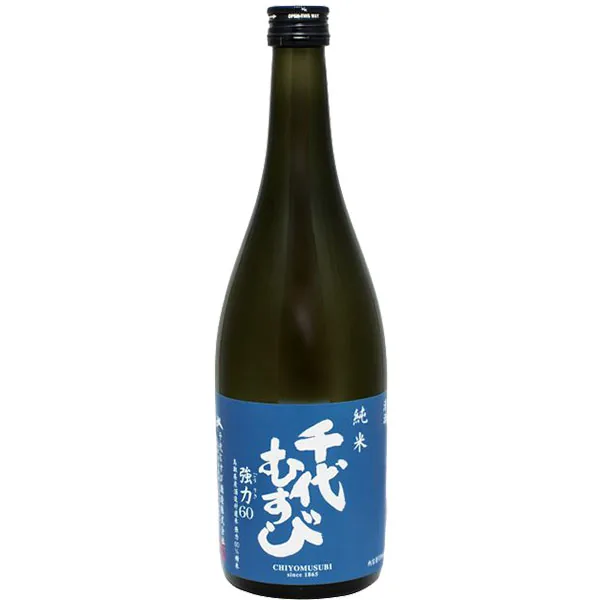
100% Gōriki rice at 60% polish — Tottori's near-extinct variety, revived 1998, producing dense, structured junmai with rare terroir specificity.
When Gōriki rice had nearly disappeared from Tottori's paddies by the mid-1950s, Chiyomusubi — founded 1865 and stewarded by the Okasora family — became the driving force behind its 1998 revival, partnering with contract farmers and Tottori University under strict seed-purity protocols to rebuild the variety from near-extinction.
That institutional commitment is the direct reason this bottle exists. Gōriki is a Tottori-exclusive variety, contract-grown across designated plots in Hoki, Nanbu, Nichinan, Kurayoshi, and Yazu — a geographically bounded rice program that functions as the sake world's closest analogue to a single-vineyard designation.
The grain's inherently large kernel and high starch content, shaped by the cool San'in coastal climate and mountain-fed soils of northwestern Tottori, produce a sake of notable body and structural density — markedly fuller than the lighter styles of neighbouring Hyogo or Niigata.
At 60% seimaibuai (Ginjo-grade polish), this Junmai expression retains the variety's characteristic richness while the brewery's low-temperature, hand-cooled fermentation — steamed rice cooled manually for uniform core temperature — and proprietary yeast selection preserve aromatic precision.
Brewing water is drawn by hand from a natural spring in Daito Town, Shimane Prefecture, a three-hour round trip from the brewery, using slightly soft mountain water that supports clean, extended fermentation. What sets this expression apart: it delivers Ginjo-level polish in a pure Junmai classification with zero added alcohol, letting Gōriki's dense umami profile speak without dilution.
Drink now through three-plus years; the variety's documented aging potential rewards cellaring.
Sommelier’s pick: Grilled yellowtail collar (buri kama) with daikon · Braised pork belly chashu with tare glaze · Aged Comté or Gruyère with walnut bread
Loading notes…
Tasted this?
Ask us on LINE.
Ask about this item