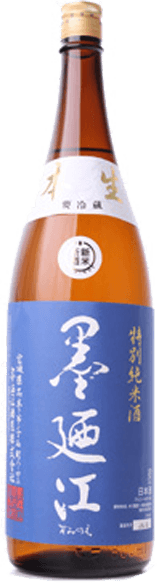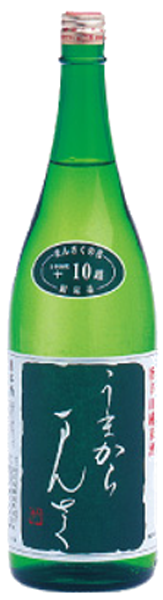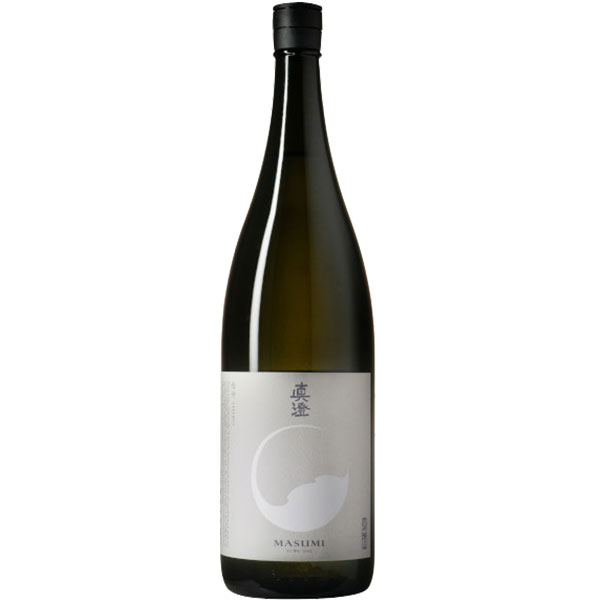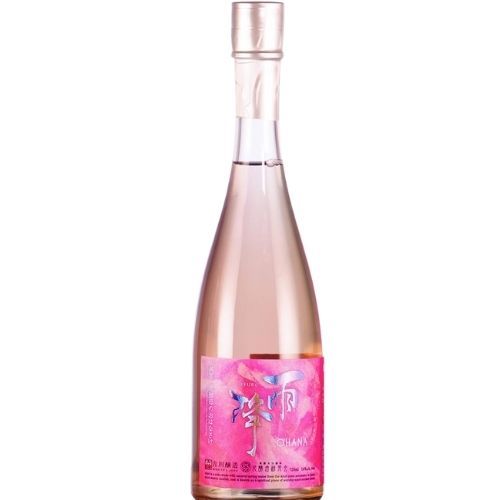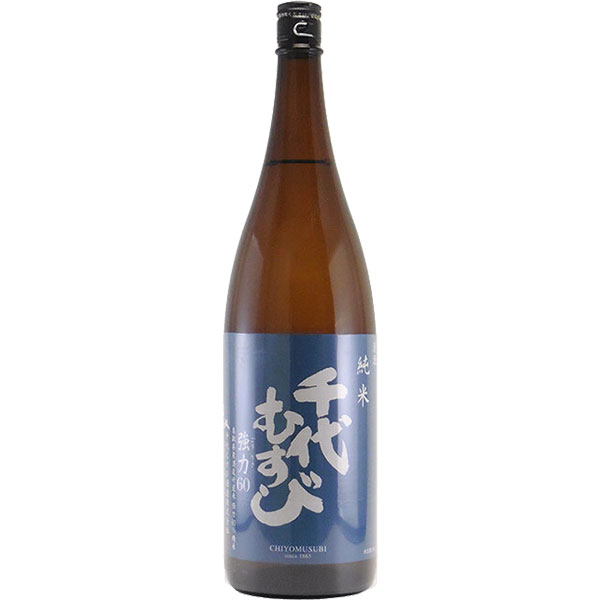
Junmai Goriki 60 (1.8 L)
฿฿
Junmai.
From our sommelier team
Producer history
Chiyomusubi Shuzo is based in Sakaiminato, Tottori Prefecture, and traces its sake production back to 1865. The brewery was originally established amid rice fields within the city and later relocated toward the port area as trade via the Kitamae shipping routes on the Sea of Japan developed. Goriki rice itself was developed in Tottori starting in 1891 by a local farmer, Shinpei Watanabe, through selective breeding of imported rice seed; production nearly died out after World War II because the variety proved very difficult for farmers to grow, and it was only revived in 1989 using seed stock preserved by Tottori University's Faculty of Agriculture. Chiyomusubi participated in the local society formed to revive Goriki cultivation from its earliest stages and began producing Junmai Ginjo sake from Goriki rice in 1998, starting from a very small initial harvest of roughly 1,223 kg of brown rice. The brewery is a small, regionally-focused producer with limited English-language documentation beyond its own site and a handful of specialist sake importers/retailers — it does not have the broad international press presence of larger, more export-focused breweries.
Signature pairings
- Grilled mackerel (saba shioyaki) — Junmai sake's umami depth and fuller body are traditionally matched with oilier, richer fish in Japanese cuisine, complementing rather than being overwhelmed by the fish's fat.
- Simmered daikon and pork (buta no kakuni) — The savory, umami-rich character expected of a Junmai Goriki sake pairs naturally with slow-simmered, soy-based Japanese comfort dishes, a standard regional pairing logic.
- Neua yang (Thai grilled beef, plain) (เนื้อย่าง) — A fuller-bodied Junmai's umami and mild bitterness pair naturally with the char and savory depth of grilled beef, offering a cleaner alternative to wine.
Gōriki rice had all but disappeared from Tottori's paddies by the mid-1950s — too difficult to farm, too regionally obscure to justify. Chiyomusubi, founded in 1865 and stewarded by the Okasora family, anchored a 1998 revival coalition of farmers, brewers, and Tottori University, and now grows every grain under strict seed-purity contracts across registered plots in Hoki, Nanbu, Nichinan, Kurayoshi, and Yazu. This Junmai uses 100% Gōriki polished to exactly 60% seimaibuai — the Ginjo threshold — but is classified Junmai, meaning no added alcohol and no aromatic shortcuts. Brewing water is drawn by hand from a natural spring in Daito Town, Shimane Prefecture, at the foot of the Chugoku Mountains — a soft-water source requiring a three-hour round trip, collected daily through the brewing season. Fermentation is low-temperature and closely managed; steamed rice is hand-cooled for uniform core temperature, and the brewery's proprietary yeast strains are selected and preserved annually from in-house performance. The result is a sake that sits structurally denser and more umami-laden than the lighter, more aromatic styles of Hyogo or Niigata — Gōriki's genetic character driving breadth of body over floral lift. The special feature here is scale: the 1.8 L magnum format preserves this unpretentious, food-driven Junmai for extended table use without quality compromise. Drink now through three years; serve slightly chilled or at room temperature to open the grain texture.
Details
- Country
- Japan
- Region
- Fukuoka
- Subregion
- Yame
- Variety
- Junmai
- Vintage
- NV
- Bottle size
- 1800 ml (1.8 L)
Taste profile
- Body
- Medium
- Sweetness
- Off-Dry
Pairs well with
- Sushi & sashimi
- Pork dishes
- Hard & aged cheese
- Japanese cuisine
- Grilled & roasted fish
- Duck & game birds
Sommelier’s pick: Grilled yellowtail collar (buri kama) with daikon · Aged Comté with walnut bread · Miso-glazed black cod
Interested? Talk to us
Message us to check item availability and information.
Community rating
Loading reviews…