 Log in to view
฿฿
Product information compiled from producer, importer and reference sources.
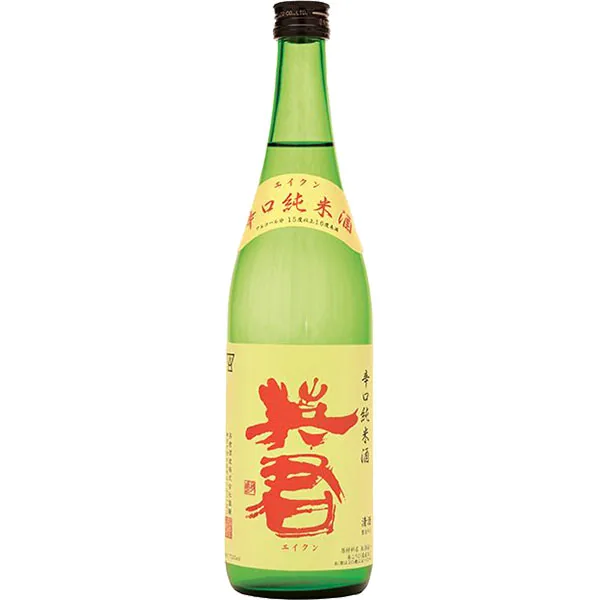
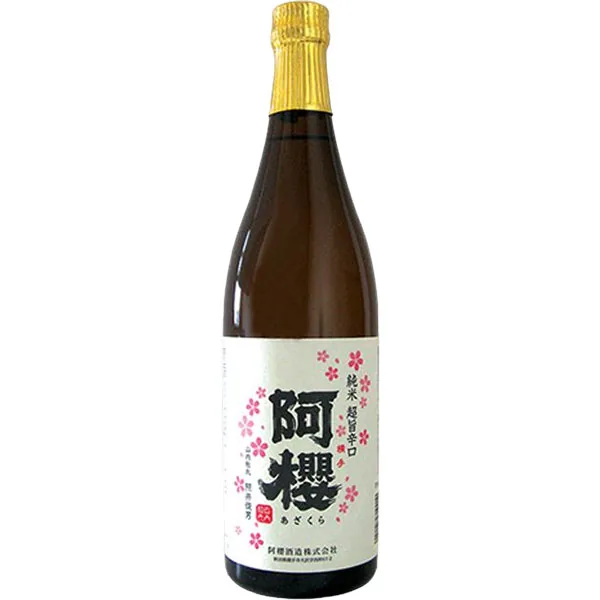
Yokote Basin Junmai brewed kanjikomi-style through Akita's coldest months — structured umami, bone-dry finish, Akita Sake Komachi rice at 70% seimaibuai.
Azakura Shuzo, the sole surviving brewery in Yokote City since absorbing rival Yokote Meijo in 1971, has practiced kanjikomi cold fermentation — brewing launched at winter's onset and sustained through Akita's most punishing months — a method historically credited as the technical blueprint for modern ginjo fermentation across Japan.
The brewery sits in the Yokote Basin, enclosed by the Ōu Mountain Range and Dewa Mountains; its well draws snowmelt from those peaks, yielding characteristically soft water that encourages a clean, extended fermentation and suppresses harsh mineral edges in the finished sake.
This Chouma Karakuchi (超辛口, "super dry") expression is built on Akita Sake Komachi, an Akita-original sakamai developed by the Akita Agricultural Experiment Station, polished to 70% seimaibuai and fermented with Akita Yukiguni UT-2 yeast — a strain selected specifically for reserved aroma and balanced acidity rather than high-ester fruitiness.
Where most dry junmai lean lean and austere, Azakura's house emphasis on solid umami structure gives this karakuchi a paradoxical density: the dryness reads on the finish, but the mid-palate carries the mellow, full-bodied weight of the kanjikomi method. The result is a sake that drinks without fatigue — the brewery's stated goal of a "never-tiring aftertaste" — and rewards both warm and chilled service.
Sommelier’s pick: Grilled yellowtail collar (buri kama) with daikon · Cold soba with dipping broth and wasabi · Aged Gouda with pickled mustard greens
Loading notes…
Tasted this?
Ask us on LINE.
Ask about this item