You're standing in a wine aisle in Bangkok. One bottle says "Saint-Émilion." Another says "Cabernet Sauvignon." A third says "Reserva." They're all wine, they're all red, and they look nothing alike. Which one do you pick?
Reading a wine label is a skill — and once you have it, you never stand there confused again. Here's what every part of the label is actually telling you.
Old World vs New World: The Fundamental Difference
This is the single most useful piece of label knowledge you can have.
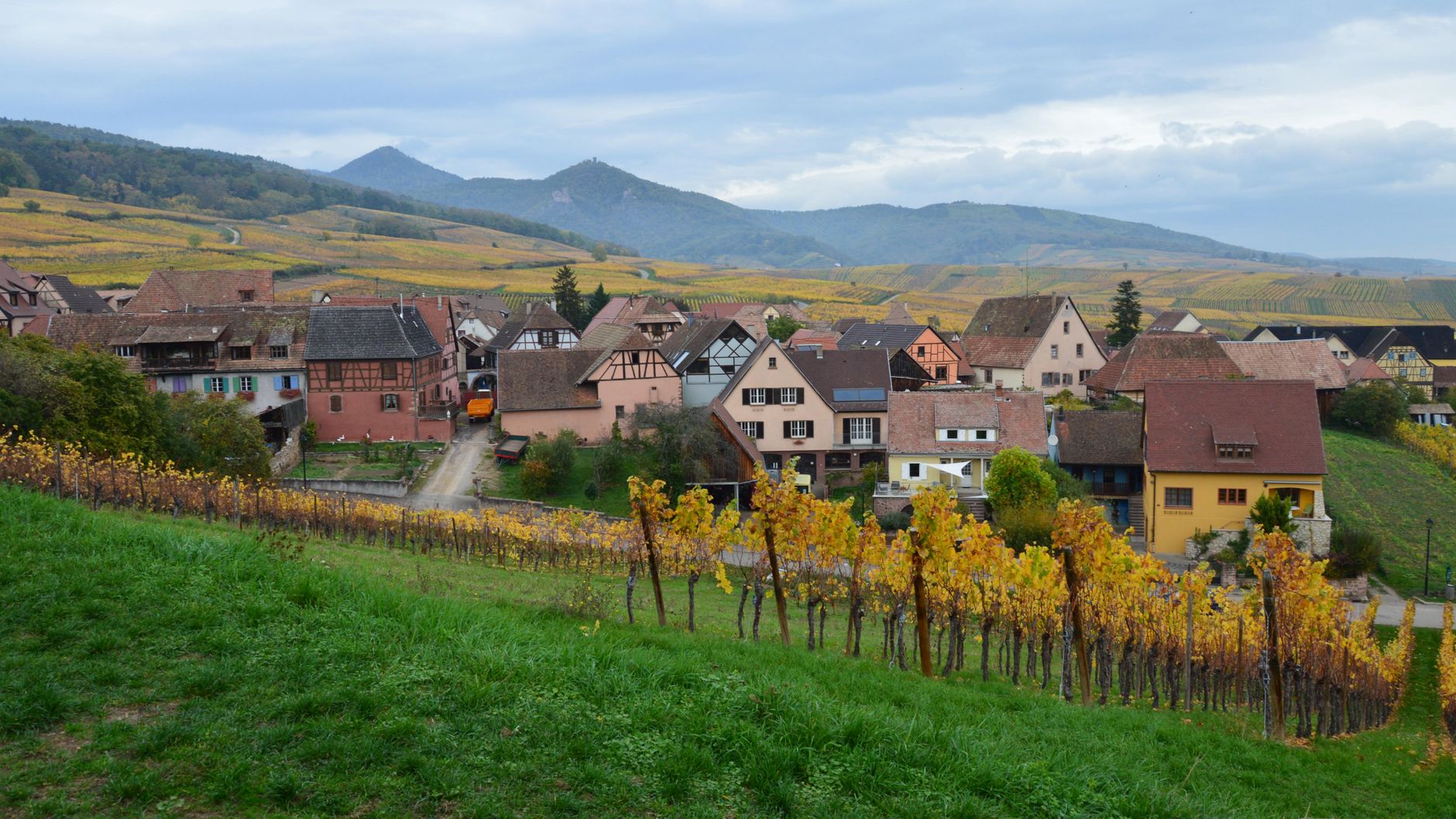
Old World wines (France, Italy, Spain, Portugal, Germany) put the region on the label, not the grape. A bottle labelled "Chablis" is Chardonnay. A bottle labelled "Bordeaux" is mostly Cabernet Sauvignon or Merlot. A bottle labelled "Chianti" is Sangiovese. The assumption is that you know what grows where — or that the appellation name carries enough prestige on its own.
New World wines (Australia, Chile, New Zealand, USA, Argentina) put the grape variety on the label. "Sauvignon Blanc," "Shiraz," "Cabernet Sauvignon" — they tell you exactly what you're getting. This is deliberately consumer-friendly, and it's why New World wines tend to be the easier starting point for Bangkok shoppers learning the category.
 Old World appellations encode centuries of terroir knowledge — the region name is the grape variety, if you know the code.
The Appellation System: AOC, DOC, DOCG, IGT Explained
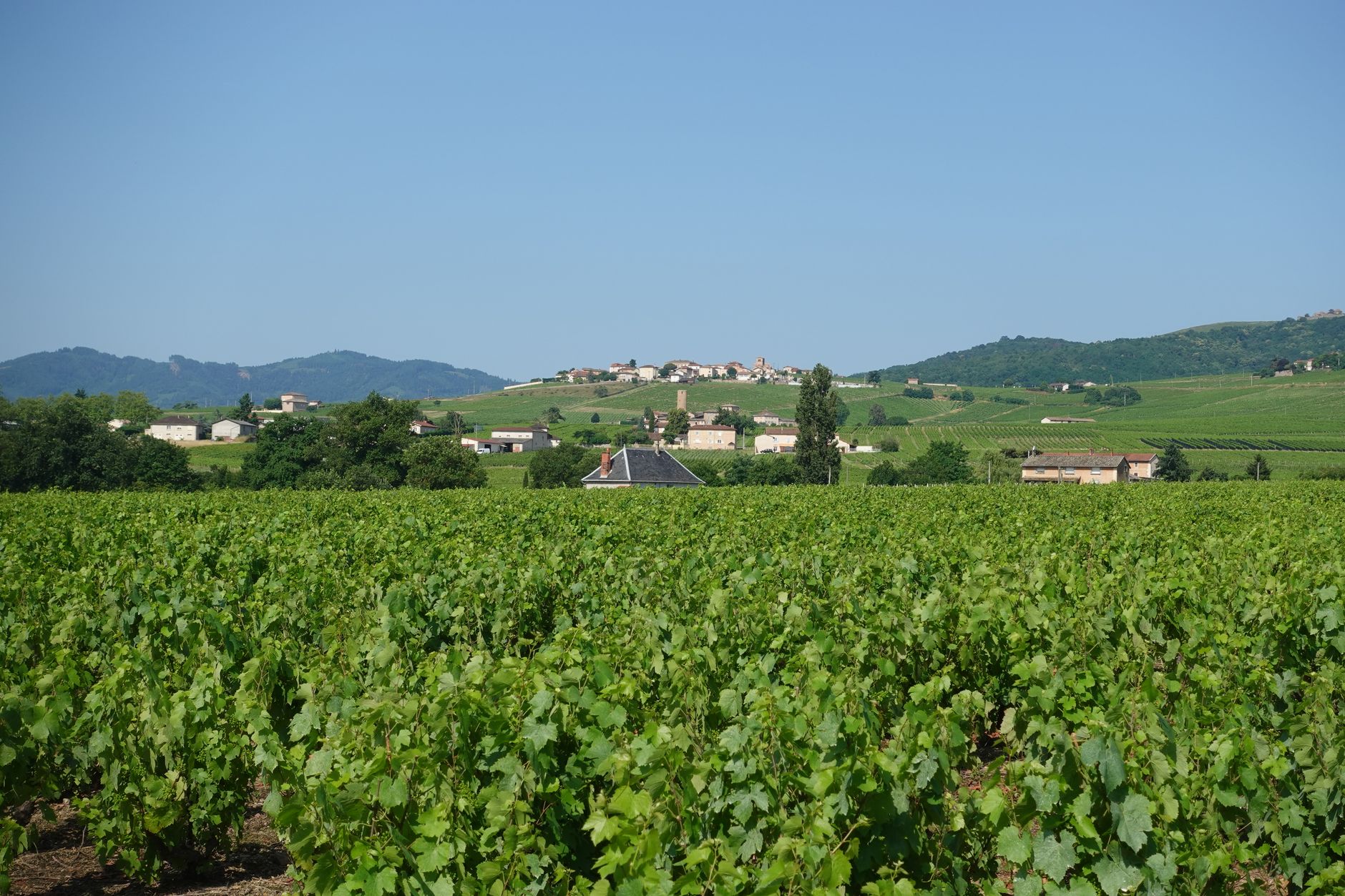
European wine is governed by appellation laws — a system that legally defines what can be grown where, how it must be made, and what it can be called. The more specific the appellation, generally the stricter the rules and the more prestigious the designation.
France: AOC / AOP Appellation d'Origine Contrôlée (or the EU equivalent, AOP) is France's quality classification. Saint-Émilion AOC, Bordeaux AOC, Côtes du Rhône AOC — each name guarantees specific grape varieties, yields, and production methods. The more specific the geographic unit (a single commune rather than a broad region), the more selective the wine.
Italy: DOC, DOCG, IGT Italy operates a three-tier system:
- IGT (Indicazione Geografica Tipica): The broadest category. Many of Italy's most exciting and experimental wines are IGT — including the "Super Tuscans" that bypassed DOC rules to use French grapes.
- DOC (Denominazione di Origine Controllata): A defined appellation with specific rules on variety, yield, and method.
- DOCG (Denominazione di Origine Controllata e Garantita): Italy's highest classification. The "G" stands for garantita — guaranteed. Production rules are the strictest, and wines are tasted by a panel before bottling. Chianti Classico DOCG, Barolo DOCG, Brunello di Montalcino DOCG.
The Piccini Collezione Oro Chianti Riserva carries the DOCG designation — the highest Italian quality tier. You're looking at a wine where every step of production, from permitted grape varieties (Sangiovese) to maximum yield per hectare, is legally mandated.
Spain: DO, DOCa Spain uses Denominación de Origen (DO) and Denominación de Origen Calificada (DOCa) — with Rioja and Priorat holding DOCa status.
"Reserve," "Reserva," and "Riserva" — What They Actually Mean
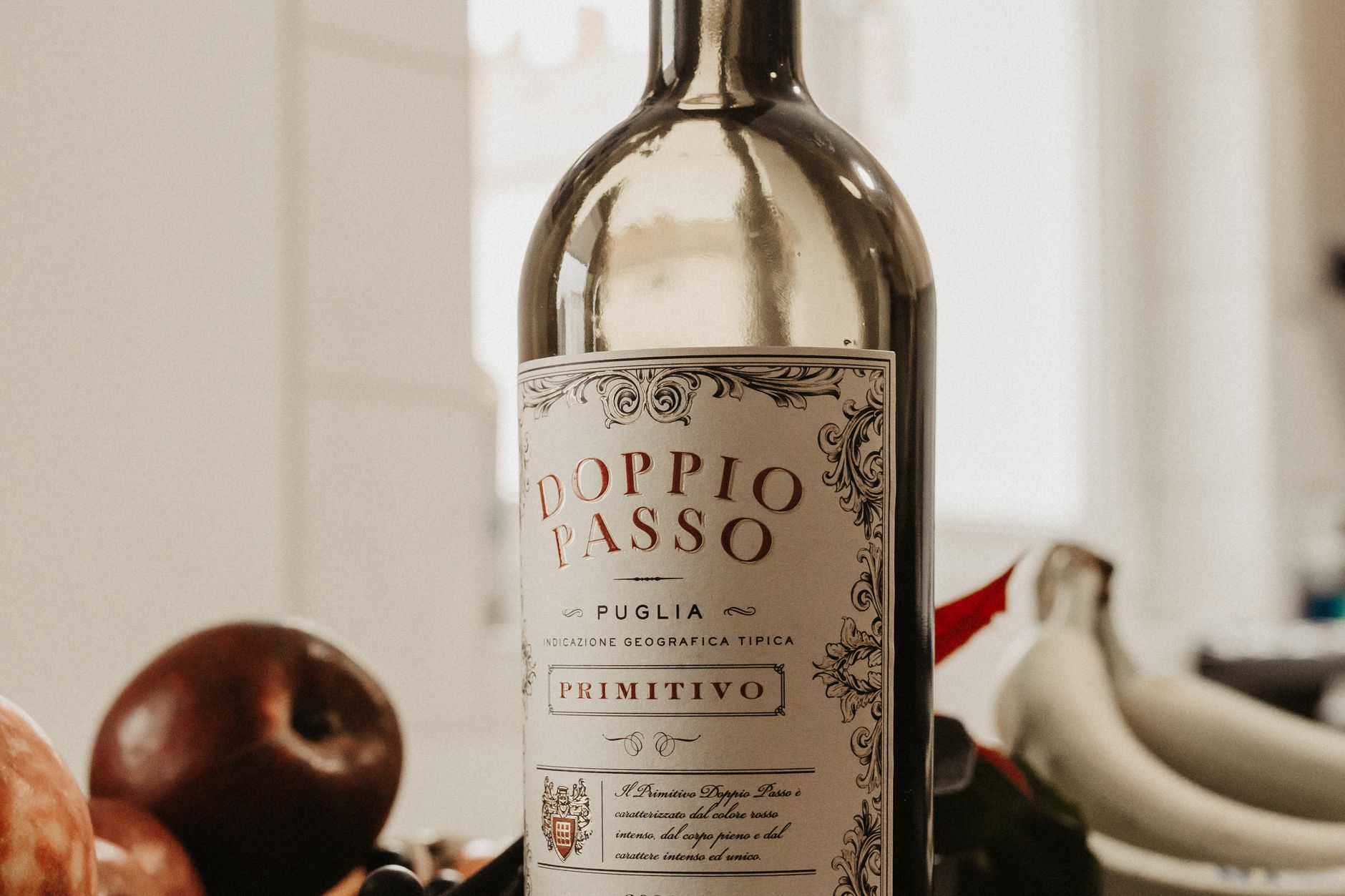
These words appear on labels constantly and confuse everyone. The short version: they don't all mean the same thing, and one of them means very little at all.
| Term | Country | Legal Meaning |
|---|---|---|
| Reserva | Spain | Minimum 3 years aging (red); specific oak requirements |
| Gran Reserva | Spain | Minimum 5 years aging; exceptional vintages only |
| Riserva | Italy | DOCG-specific extended aging (e.g., 3 years for Chianti Classico Riserva) |
| Reserve | New World / France | No legal definition — marketing term only |
Spanish and Italian "Reserva/Riserva" wines carry legally enforceable aging requirements. A New World "Reserve" bottle could mean anything — longer aging, a superior vineyard block, or simply a name the winery chose for marketing.
The Viu Manent Estate Collection Reserva is a Chilean wine — "Reserva" here follows a Chilean industry convention of more careful selection and slightly longer oak contact, but it is not enforced by the same legislation as a Spanish Reserva. Still a sound bottle at the price; just know what you're reading.
New World Labels: Grape Variety Front and Centre
New World producers solved the consumer confusion problem by doing the obvious thing: putting the grape on the front of the label. What you see is what you get.
Matua's Marlborough Sauvignon Blanc says exactly what it is: New Zealand, Marlborough region, Sauvignon Blanc grape. No decoding required. "Private Bin" is Villa Maria's own tiering name for their entry-level premium range.
Compare this to Dourthe Grands Terroirs Saint-Émilion. The label shows the appellation — Saint-Émilion, a commune in Bordeaux — and nothing about grapes. You need to know that Saint-Émilion is predominantly Merlot-based, with Cabernet Franc and Cabernet Sauvignon playing supporting roles. That's Old World in action.
Vintage, Alcohol Content, and "Mis en Bouteille au Château"
Vintage year: The year the grapes were harvested — not when the wine was bottled or when you bought it. Vintage matters more for Old World wines, where weather variation significantly impacts quality from year to year. For New World wines, year-to-year consistency is higher, so vintage is a lesser factor.
Alcohol content: Required by law on every bottle. Most table wines sit between 12% and 15% ABV. Higher alcohol generally (not always) indicates riper grapes from warmer climates or a later harvest. A 13.5% Burgundy and a 14.5% Barossa Shiraz are expressing very different climates.
"Mis en bouteille au château" (French): Means the wine was bottled at the producing estate rather than shipped in bulk for bottling elsewhere. This is a quality indicator — it means the winemaker controlled the product through to the bottle. Equivalent terms: "Mis en bouteille à la propriété" (at the property), "Domaine-bottled."
Thai Labels: What the Thai Text Adds
In Thailand, all imported wine must carry a Thai-language label with specific information for Excise Department compliance. You'll always find:
- Importer name and address in Thai script
- Excise tax information and import duty compliance markers
- Alcohol content restated in Thai
- Thai health warning (เครื่องดื่มแอลกอฮอล์สำหรับผู้ที่มีอายุ 20 ปีบริบูรณ์ขึ้นไปเท่านั้น)
- Sometimes: a storage recommendation in Thai
The Thai label is applied after import and tells you about the distribution chain, not about the wine itself. If the Thai label partially obscures part of the original back label, peel it gently — the original label underneath usually contains the winemaker's tasting notes and technical details.
Keep reading: How to Store Wine in Bangkok Heat · all Guides stories.
FAQ
Why does a French wine label show the region but not the grape?
France's appellation system assumes that a given region grows specific grapes — Burgundy grows Pinot Noir (red) and Chardonnay (white); Bordeaux grows Cabernet Sauvignon, Merlot, and Cabernet Franc; Alsace grows Riesling, Gewurztraminer, and Pinot Gris. The region is the grape, for those who know the code. France developed this system centuries before modern consumer marketing existed, and the appellations carry their own prestige that substitutes for a variety name.
What does "Premier Cru" or "Grand Cru" mean on a Burgundy label?
In Burgundy, vineyards are classified in a strict hierarchy. A Village wine comes from anywhere within a named commune. A Premier Cru (1er Cru) comes from a specific classified vineyard within that commune. A Grand Cru is Burgundy's highest tier — a specific vineyard given its own appellation entirely. Grand Cru Burgundies are among the most expensive wines in the world. In other regions (Bordeaux, Champagne), Grand Cru has different meanings — the word doesn't transfer directly.
Is "Reserve" on a New World wine label worth paying extra for?
Sometimes yes, sometimes no. Without legal enforcement, "Reserve" is a brand decision. In practice, most reputable wineries use "Reserve" to signal their better vineyard blocks or extended oak aging — and the wine usually is better than the standard range. But you're trusting the producer, not the law. Compare the Reserve and standard tier from the same producer side by side at least once to calibrate what the word means for that specific winery.
How do I know what year to look for on a vintage?
For everyday drinking wines (anything under ฿1,500), vintage is largely irrelevant — the wine is made for consistency across years. For wines where vintage matters (Bordeaux, Burgundy, Barolo), you'd want to look up a specific year's harvest quality. In Bangkok's retail environment, the bottle on the shelf is almost always the current commercial release, so this is mostly an academic concern unless you're buying aged bottles or considering laying wine down.
What does "Château" mean on a French label?
Château means "castle" in French, but in wine terms it simply refers to a wine estate — regardless of whether there's an actual castle on the property. In Bordeaux, most of the serious producers use château names. The name tells you the producer; the appellation tells you the region. "Château Margaux" = the Margaux estate, located in the Margaux commune of Bordeaux, making predominantly Cabernet Sauvignon.