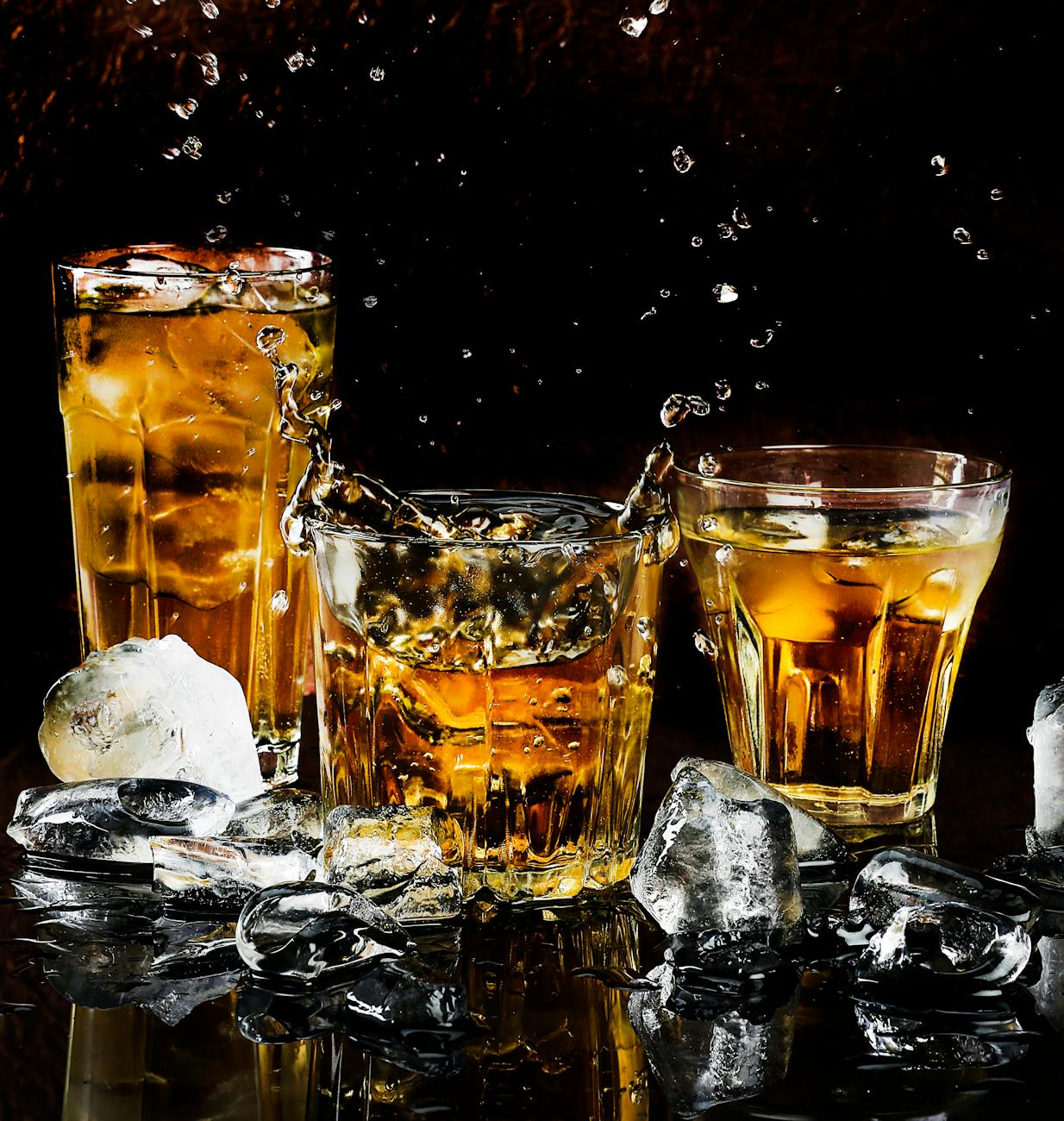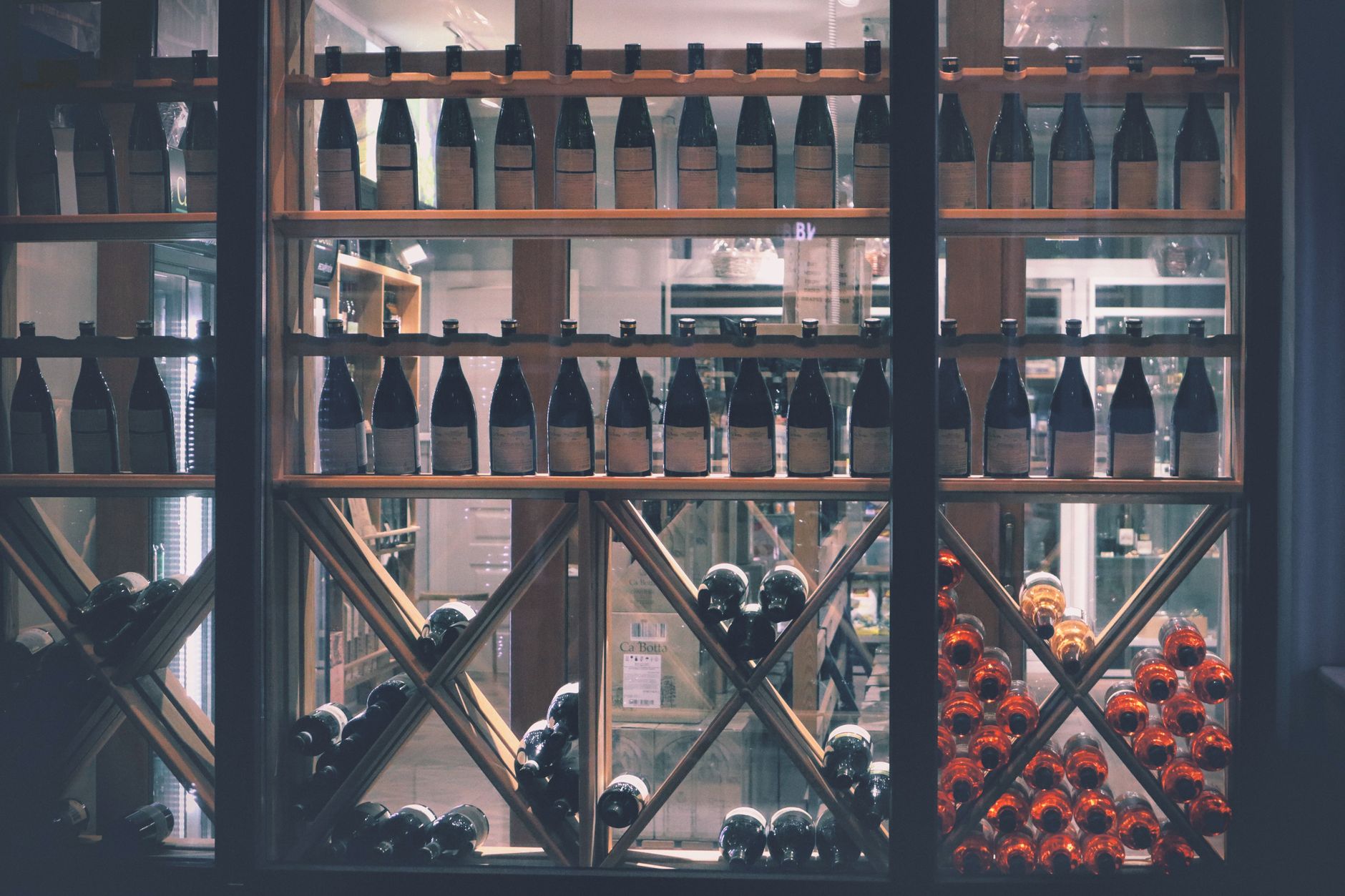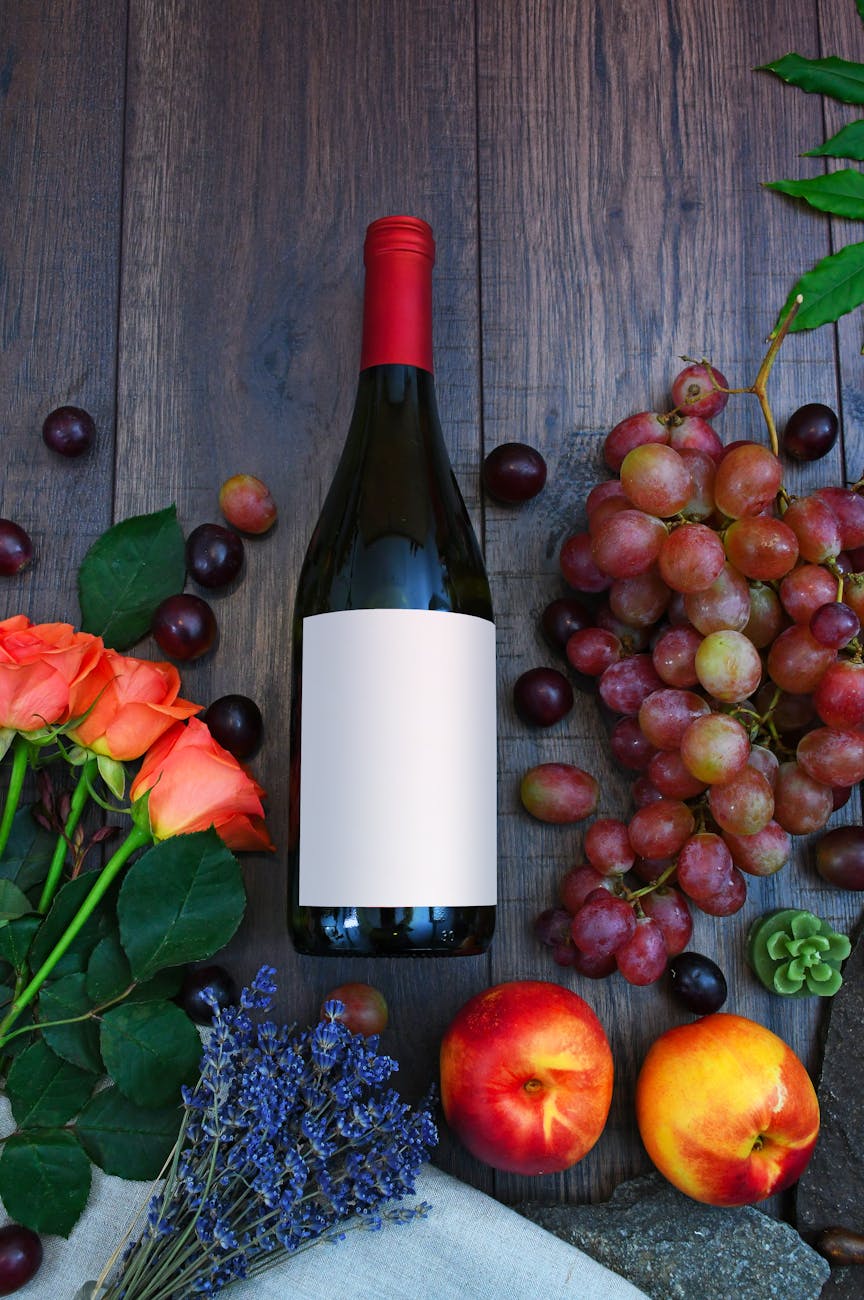
Forget the formal restaurant setting and the intimidating wine list. A home wine tasting is the most fun, most educational, and most social way to explore wine — and it costs about the same as a single dinner out. Here is everything you need to pull one off in Bangkok, no professional training required.
Why a Home Tasting Beats Every Other Dinner Party

There is a particular magic that happens when you put six glasses in front of people and say, "tell me what you notice." Suddenly, the conversation stops being about work or the weather and becomes genuinely curious. People lean in. They argue. They discover that the wine they assumed they hated is actually their favourite of the evening.
A home wine tasting in Bangkok gives you control over every variable: the temperature of the room, the order of the pours, the food, the pacing. You can pause on a bottle for twenty minutes and really dig into it, or move briskly through a flight. There are no distractions, no background noise, and no sommelier hovering. It is yours.
It also tends to be significantly cheaper than a restaurant wine experience. Six bottles shared among six people — poured in 75ml tasting portions — means every guest gets to try all six wines, often for less than the cost of two glasses ordered off a restaurant list.
Learn by Comparing
Tasting wines side by side makes differences jump out in a way that a single glass never can. It is the fastest way to build a palate.
Guaranteed Good Conversation
Wine gives people a shared language for the evening — even if that language is mostly "I can't decide if this smells like cherries or my grandmother's wardrobe."
Surprising Value
Six bottles between six guests, in tasting pours, works out to roughly the price of a mid-range restaurant bottle per person — for six different wines.
Pick a Theme That Actually Works
A theme is not decoration — it is the thing that gives each glass meaning in relation to the others. Without one, you are just drinking wine. With one, you are running an experiment. Here are three themes that work especially well for home tastings, from the easiest to the most advanced.
1. Old World vs New World
This is the classic. Pick one wine style — say, Sauvignon Blanc or Malbec — and taste a European version (France, Italy, Spain) against a New World version (Argentina, New Zealand, South Africa, USA). Old World wines tend to be more restrained, mineral, and earthy. New World wines lean towards riper fruit and more obvious structure. The contrast is almost always stark and immediately graspable, even for complete beginners. This is the theme we have built the suggested flight around below.
2. Same Grape, Different Countries
Choose one grape — Pinot Noir, Chardonnay, Grenache — and taste it across three or four countries. You will quickly understand how terroir (the climate, soil, and human tradition of a place) shapes a wine far more than the grape variety itself. A Burgundian Pinot Noir and a Central Otago Pinot Noir barely seem related. That tension is the whole lesson.
3. Vertical of One Producer
This one is for the more wine-obsessed crowd. Buy three or four vintages of the same wine from the same producer — ideally spanning at least five years. Taste them youngest to oldest. You are watching time work on a wine. Tannins soften, fruit shifts from primary (fresh berry) to secondary (dried fruit, leather, earth). It is a slow-motion film of a wine's life, and it leaves a permanent impression on anyone in the room.
How to Structure the Tasting
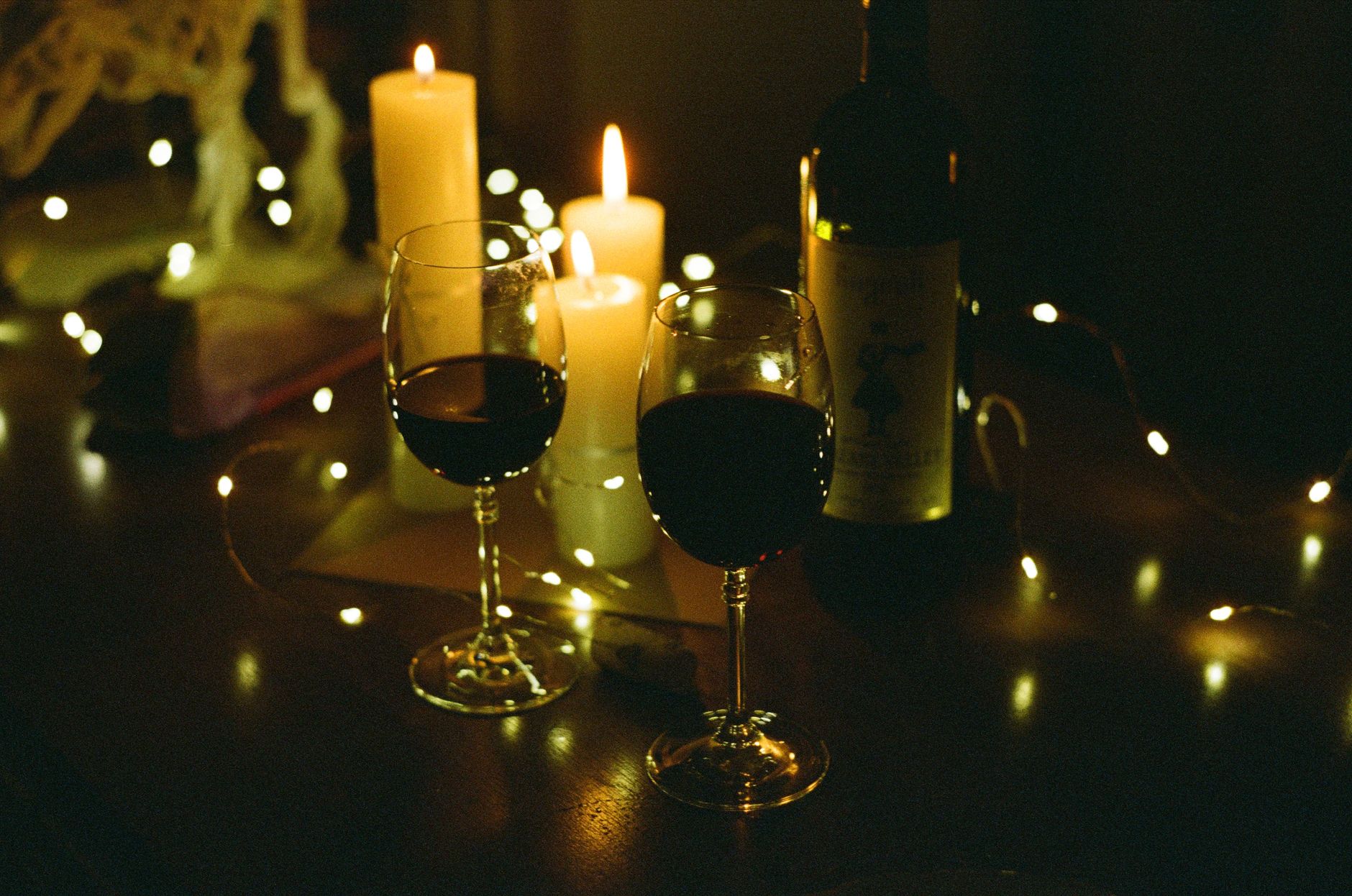
Order matters more than most people realise. Taste wines in the wrong sequence and a big red will permanently overshadow the delicate white you open right after it. Follow this order and your palate stays clear from start to finish.
- Sparkling first — the bubbles and acidity reset your palate and set a festive mood. Open with Champagne or a Brut if you have one.
- Whites before reds — whites are lighter in body, lower in tannin, and higher in acidity. They prepare the palate for what follows rather than shutting it down.
- Dry before sweet — sweetness coats the tongue and makes everything tasted after it seem drier and more austere. Save any sweet wines for the very end.
- Light before full-bodied — within whites and within reds, work from the most delicate to the most powerful.
Pour size: For a tasting (as opposed to dinner service), use 75ml per wine per person. This is roughly one quarter of a standard bottle and leaves room in the glass for swirling and smelling. It also means six wines add up to about 450ml per person — sensible, not excessive.
Palate cleansers: Provide still water and plain crackers or plain bread between wines. Avoid strongly flavoured foods during the tasting itself — they will skew your perception of the wine. Save the charcuterie and cheese for after.
On spitting: If your group is genuinely trying to assess the wines carefully, especially with six or more bottles, spitting is a practical tool rather than an affectation. Provide a large jug or bowl and mention it without ceremony. Most guests will use it occasionally even if they would never call themselves a professional.
🍷 Sommelier Tip
Before guests arrive, write each wine on a small card and place it face-down next to the corresponding glass. Reveal them after the group has tasted and shared their impressions. This small blind-tasting element is consistently the most talked-about moment of the evening — especially when someone admits they preferred the ฿600 bottle to the ฿2,000 one.
What You Actually Need
You do not need a cellar, a decanting swan, or a Riedel collection. Here is the real list:
- Glasses: One glass per person per wine if you want the full experience; one glass per person if you are comfortable rinsing between pours. Tulip-shaped glasses — the standard all-purpose wine glass — are fine for whites, reds, and sparkling alike. Dedicated Champagne flutes are nice but not essential. IKEA's STORSINT glasses work perfectly well.
- A white tablecloth or white sheets of paper: Place these under the glasses so you can actually see the wine's colour. Colour is a surprising amount of information — you can often guess the grape and the age from colour alone before a single sip.
- Still water: One jug per table. Guests should be drinking water between wines.
- Plain crackers or bread: Unsalted water crackers or a plain baguette. Not sourdough, not flavoured crackers.
- A tasting notes sheet: Print one A4 sheet per person with spaces to rate each wine from 1–10, note aromas, flavours, and a one-sentence verdict. You do not need to use wine vocabulary — "tastes like Ribena" is a completely valid tasting note and often more honest than "notes of blackcurrant reduction."
- A wine thermometer (optional): Useful if you want to serve whites properly chilled (8–12°C) and reds at cellar temperature (16–18°C), especially important in Bangkok where ambient temperature will warm a red very quickly.
Buying Wine in Bangkok
Bangkok has a genuinely good wine retail landscape, and you have two main options depending on how much time you want to spend browsing.
Order Online
The most practical approach for a themed tasting. Ordering online from WNLQ9 means you can build a specific flight — comparing Old World and New World side-by-side — without compromise. The selection is wide, the descriptions help you make informed choices, and delivery to most Bangkok addresses is straightforward. You can see current prices, spot sale bottles, and total your budget before you commit.
Walk Into a Bottle Shop
Tops Wine Cellar, Villa Market, Foodland Wine Shop, and specialist importers like Indo Wine and Grand Vintage all have knowledgeable staff and good selections. Walking in is a better option when you want expert face-to-face guidance or need a bottle at short notice. The trade-off is that the selection for specific themes can be more limited, and you may not find all six bottles you need under one roof.
Budget for 4–6 Bottles
A comfortable range for a home tasting in Bangkok is ฿3,000–฿8,000 total for four to six bottles. That breaks down to roughly ฿500–฿1,400 per bottle — a range that comfortably covers everything from solid everyday wines to proper special-occasion bottles. For the Old World vs New World showdown format, a total spend of around ฿6,000 for six bottles covers genuine quality across all six pours.
🍷 Bangkok Tip
Serve your reds slightly cooler than you normally would. Bangkok's ambient temperature means a wine left on the counter can hit 28°C within twenty minutes of being poured. A brief 10-minute chill in the fridge before opening will put most reds right in the zone. Whites come out of the fridge 10 minutes before pouring rather than ice-cold from the door.
A simple white tablecloth under the glasses lets you see the colour differences between wines at a glance — one of the most immediately revealing parts of any comparative tasting.
The Flight: Classic Old World vs New World Showdown
Six bottles, three face-offs: white vs white, red vs red, and one opening Champagne that belongs to neither camp but sets the mood perfectly. Total spend: approximately ฿6,083 at current prices.
| Pour Order | Bottle | Style | Price |
|---|---|---|---|
| 1st | Champagne Ernest Rapeneau Brut | Sparkling — Champagne, France | ฿1,409 |
| 2nd | William Fevre Saint-Bris | Old World White — Burgundy, France | ฿1,200 |
| 3rd | Nautilus Estate Sauvignon Blanc | New World White — Marlborough, NZ | ฿1,200 |
| 4th | Whispering Angel Rosé | Provence Benchmark Rosé | ฿1,049 SALE |
| 5th | Trapiche Vineyards Malbec | New World Red — Mendoza, Argentina | ฿620 |
| 6th | Baron Philippe de Rothschild Mouton Cadet Bordeaux Rouge | Old World Red — Bordeaux, France | ฿805 SALE |
How to run it: Open with the Champagne as a welcome glass while guests arrive and get settled. Move through the two whites as a direct side-by-side — both are Sauvignon Blanc expressions, so the contrast is immediate and instructive. The Whispering Angel comes in as a palate bridge before the reds. Finish with the Malbec and Bordeaux as your red showdown: a generous, fruit-forward New World red against a more structured, earthy Old World one.
The question to ask between every pair: "Which one feels more like the place it came from?" It is deliberately vague, and people will interpret it differently — which is exactly the point.
🍷 Flight Tip
Open the Bordeaux at least 30 minutes before it is served, or decant it briefly. Bordeaux Rouge benefits from air more than the Malbec does. Serve both reds at around 16–17°C — warmer than fridge temperature but cooler than a Bangkok room.
Keep reading: How to Read a Wine Label — A Bangkok Shopper's Guide · The Wine List at Bangkok's Best Restaurants · all Guides stories.
Frequently Asked Questions
How many bottles do I need for a wine tasting?
Plan on one bottle for every 5–6 people when using 75ml tasting pours. A standard 750ml bottle gives you roughly ten 75ml pours. So for six guests tasting six wines, six bottles is exactly right — each guest gets one tasting pour of each wine with a little left over. If you are doing a smaller, more relaxed tasting with four guests and four bottles, you can be more generous with pours or go back to favourites at the end.
What food should I serve at a home wine tasting?
During the tasting itself, keep it very simple: plain water crackers or slices of plain baguette, and still water. Strong flavours — spiced nuts, blue cheese, charcuterie, anything fermented — will skew your perception of the wine and make the tasting less useful as a learning exercise. Save the full spread for after the formal tasting is done. At that point, cheese, charcuterie, grapes, and bread pair beautifully with whatever is left in the bottles — and guests will have a much stronger sense of which wine they want to drink with which food.
Do I need professional wine glasses?
No. A standard tulip-shaped all-purpose glass is fine for every wine in a home tasting, including sparkling. The shape matters — you want a glass that tapers inward at the rim so it concentrates aromas — but it does not need to be expensive. IKEA's STORSINT or any basic stemmed glass from a Thai supermarket or department store works well. The one thing to avoid is very thick glass, which can dull the experience slightly, and wide, flat glasses that let aromas disperse too quickly.
What is the right order to taste wines?
The golden rule is to always move from lighter, more delicate, and drier wines toward heavier, more full-bodied, and sweeter ones. In practice this means: sparkling first, then dry whites, then rosé, then light reds, then full-bodied reds, and finally any sweet or fortified wines. Within each category, go from younger and lighter to older and more structured. Following this order protects your palate — tasting a big tannic red before a delicate Riesling makes the Riesling almost invisible by comparison.