 เข้าสู่ระบบเพื่อดูภาพ
฿฿
ข้อมูลสินค้ารวบรวมจากผู้ผลิต ผู้นำเข้าและแหล่งข้อมูลอ้างอิง
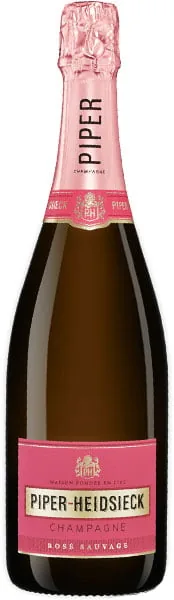
Pinot Noir-dominant rosé from 110+ chalk-soil crus; MLF blocked to lock fruit tension; Boutillat's lowest-dosage expression of the house's Hollywood-era icon.
When chef de cave Émilien Boutillat — appointed in 2018 at 31, the youngest to lead a major Champagne house — took the reins at Piper-Heidsieck, he sharpened the Rosé Sauvage toward lower dosage and tighter fruit definition, a deliberate break from the richer, autolytic style favoured by prestige neighbours in Reims.
The fruit is sourced from 110+ crus across Montagne de Reims, Vallée de la Marne, Côte des Blancs, and Côte des Bar, all rooted in the deep chalk subsoil that is Champagne's defining geological constant — chalk drains freely, stresses the vine into concentration, and imparts the mineral backbone that runs through every Piper blend.
The assemblage runs approximately 50% Pinot Noir, 25% Pinot Meunier, and 25% Chardonnay, each cru vinified separately in stainless steel to preserve varietal clarity. Malolactic fermentation is blocked in part, a house-wide policy that retains malic acidity and keeps the red-fruit character vivid rather than softened into cream.
A minimum 25% reserve wine component anchors consistency across disgorgement lots. What sets Rosé Sauvage apart within the house range is its structural ambition: more Pinot Noir tension and grip than the Brut NV, built to hold its line against food rather than dissolve into aperitif softness. Drink on release through 3–4 years from disgorgement.
ตัวเลือกของซอมเมอลิเยร์: Grilled duck breast with cherry gastrique · Tuna tartare with sesame oil and pickled ginger · Burrata with roasted beetroot and aged balsamic
กำลังโหลดบันทึก…
เคยชิมขวดนี้ไหม?
สอบถามเราทาง LINE
สอบถามเกี่ยวกับขวดนี้