
 Log in to view
฿฿฿฿
Rated 98/100 by Wine Spectator (top 1% of their reviews).
WNLQ9 vintage signal, averaged from Wine Enthusiast Wine Vintage Chart 2026 Edition's 2 closely-agreeing Burgundy White 2020 ratings (Chablis; Burgundy Cote de Beaune White).
A vintage grade rates the growing season in this wine’s region — not this specific bottle. Source.
Researched by our team from producer and independent sources — not supplied by the seller.
Domaine Leflaive's modern estate was built by Joseph Leflaive, who bought roughly 25 hectares of Puligny-Montrachet vineyard in 1905 in the aftermath of phylloxera and began estate-bottling under his own label. After his death in 1953 his sons Vincent and Jo
Leflaive ran the domaine; Vincent's daughter Anne-Claude Leflaive and cousin Olivier Leflaive took over management in 1990, with Anne-Claude assuming sole control in 1994.
In 1997 she began converting the domaine to biodynamic viticulture, making Leflaive one of the earliest top Burgundy estates to farm biodynamically; the domaine remains family-owned following Anne-Claude's death in 2015.
Steamed or pan-seared scallops with light citrus dressing
Chevalier-Montrachet's delicate, high-toned minerality and restraint call for a light, precise dish that won't mask its aromatics — a mild sauce lets the wine's acacia and citrus notes lead.
Thai steamed fish with plum and light herbs (no chili) (ปลานึ่งบ๊วย แบบไม่เผ็ด)
A mild, herb-forward Thai preparation can work with this wine's delicacy, but any real chili heat would overpower its subtle, tea-and-blossom aromatics — this is a wine for restraint, not spice.
Sushi and sashimi, particularly white fish
The wine's precision and mineral spine mirror the clean, delicate flavors of raw white fish without competing for attention, a pairing widely recommended for top-tier Montrachet whites.
Product information compiled from producer, importer and reference sources.
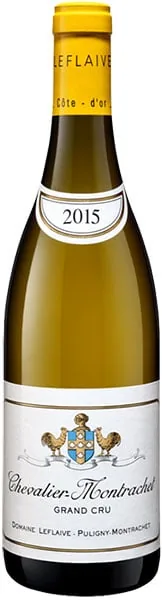
Chevalier-Montrachet 2020: biodynamic Grand Cru from calcareous limestone heights above Puligny, horse-ploughed, native-yeast fermented, ~25% new French oak — taut, mineral, 25+ year arc.
When Anne-Claude Leflaive completed the domaine's full biodynamic conversion by 1997 — considered radical across the Côte d'Or at the time — her stated aim was not philosophy but precision: to make the soil speak more clearly in each individual climat. Chevalier-Montrachet is where that ambition reaches its highest register.
Sitting above Montrachet itself on the upper slope of the Côte de Beaune, the Grand Cru's soils trend toward purer limestone with less clay than the plots below, producing a structural tension and chiselled mineral drive that distinguishes it from the broader, more opulent character of Bâtard.
Leflaive holds parcels within the domaine's 4.8 ha Grand Cru portfolio, with vines ploughed by horse to preserve soil structure and microbial life. Vinification follows manual harvest, parcel-by-parcel sorting, long pneumatic pressing, 24-hour débourbage, and direct racking into French oak (Vosges and Allier) for fermentation with indigenous yeasts only.
Élevage runs 12 months in barrel — up to ~25% new oak at Grand Cru level — followed by 6 months in stainless steel before spring bottling with minimal intervention and near-zero filtration. Light bâtonnage bridges alcoholic and malolactic fermentation, preserving texture without obscuring site.
The 2020 vintage delivers a taut, tightly meshed profile with juicy texture and freshness — Falstaff projects 25+ years of aging potential for Grand Cru expressions from this harvest. Drink from 2028 through 2045+.
Sommelier’s pick: Grilled Dover sole with beurre blanc and capers · Steamed Dungeness crab with clarified butter · Seared scallop with cauliflower purée and brown butter
Loading notes…
Tasted this?
Ask us on LINE.
Ask about this item