 Log in to view
฿
Product information compiled from producer, importer and reference sources.
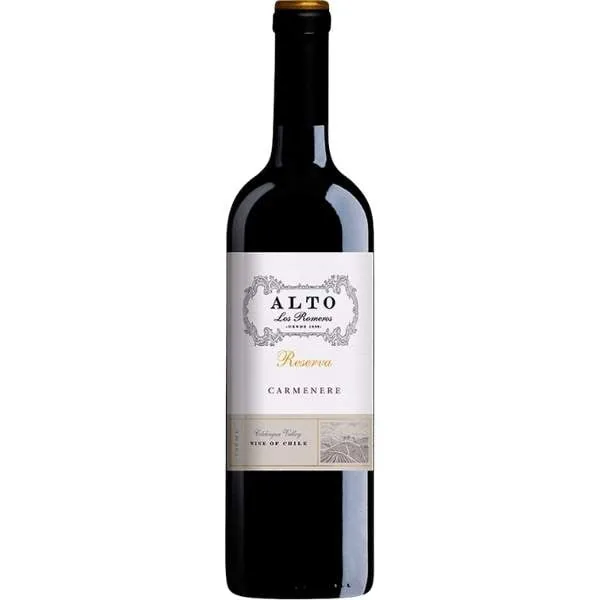
Colchagua Carménère from high-altitude Puquillay Alto estate (up to 900 m), where granitic-volcanic soils and Andean shelter produce firmer structure than warm-valley peers.
Luis Felipe Edwards Sr. acquired the Puquillay Alto estate in 1976, planting Carménère into a horseshoe-shaped micro-valley whose northwest-facing aspect and San Fernando ridge shelter create a distinct thermal buffer from the broader Colchagua floor. That topographic enclosure is the technical foundation of this wine's character.
Granitic and volcanic rock soils at elevations reaching 900 m asl — among the highest blocks in Colchagua Valley — restrict water retention and force deep root development, yielding lower berry weights and more concentrated phenolic skins than the fertile clay benchlands below.
The result is a structural tension — firmer tannin, higher natural acidity — that separates this wine from the soft, extracted profile that defines most Colchagua Carménère. Low-yield viticulture is a stated house philosophy, and winemaking is executed at the Puquillay facility using temperature-controlled fermentation and pneumatic pressing; specific oak regime at Reserva tier is not disclosed by the producer.
The special feature here is altitude: the fruit comes from genuinely mountain-influenced Colchagua blocks. Drinking well now with modest cellaring potential of 3–5 years from vintage.
Sommelier’s pick: Slow-braised beef short rib with chimichurri · Lamb shoulder with roasted garlic and rosemary · Grilled portobello mushrooms with aged manchego
Loading notes…
Tasted this?
Ask us on LINE.
Ask about this item