Central Valley
Chile's historic wine centre — a broad, fertile expanse between the Andes and the Coastal Range, spanning the Maipo, Cachapoal, Colchagua, Curicó and Maule sub-valleys.
About the region
Southwest of Chile's capital, Santiago, lies the large Valle Central — an expanse of fertile and fairly flat land between the Andes and the Coastal Range, the low-lying mountains just inland from the Pacific. It is Chile's most notable wine area, where a majority of the most important appellations are found, including the two most renowned, Maipo Valley and Colchagua Valley. The most fertile part of the valley — the centre, where the soils are deepest — grows an abundance of crops from wheat, corn and beans to nuts, fruits and sugar beets; it is in the LESS fertile, granitic soils, often hugging the hillsides, that wine grapes are grown. The region spans five distinct sub-valleys: Maipo, Cachapoal, Colchagua, Curicó and Maule (label readers note that Cachapoal and Colchagua are sometimes referred to together as the Rapel Valley), many separated by rivers that begin high in the Andes and flow to the Pacific. Soils in the top vineyards are often a well-drained, friable granite, becoming more fertile toward the deep centre where granitic stone is interspersed with loam, sand and clay; on the eastern side, below the Andes, many vineyards sit on alluvial fans. The easy availability of water — Andean snowmelt channelled through dikes and canals — is one of Chile's leading viticultural assets, but also a potential downfall: growers wanting huge crops of bland, cheap wine can simply flood the vineyards, while top producers use controlled drip irrigation or even water by hand. Along with Aconcagua, the Valle Central makes up Chile's historic wine centre, and a lion's share of all Chilean wine exports comes from these two areas.
Grapes grown here
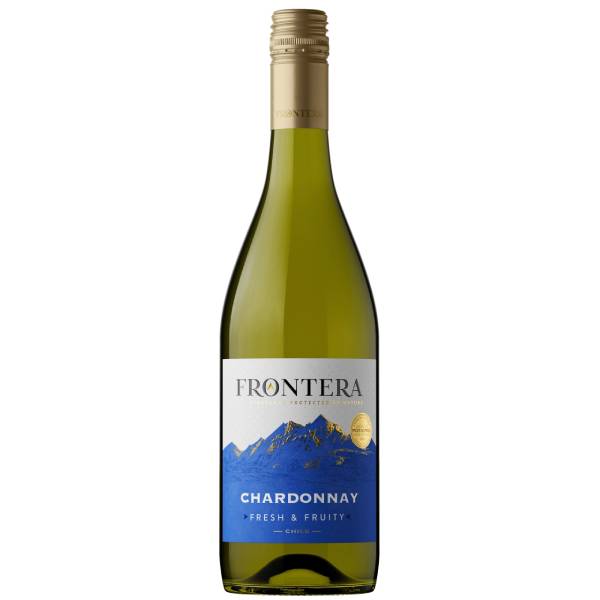
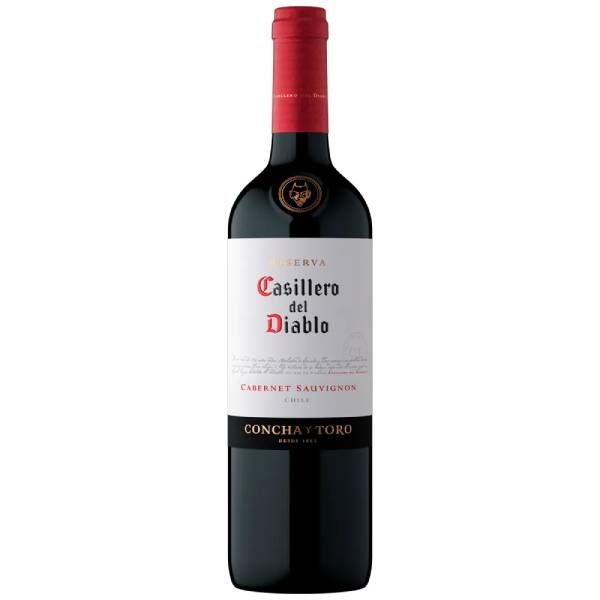
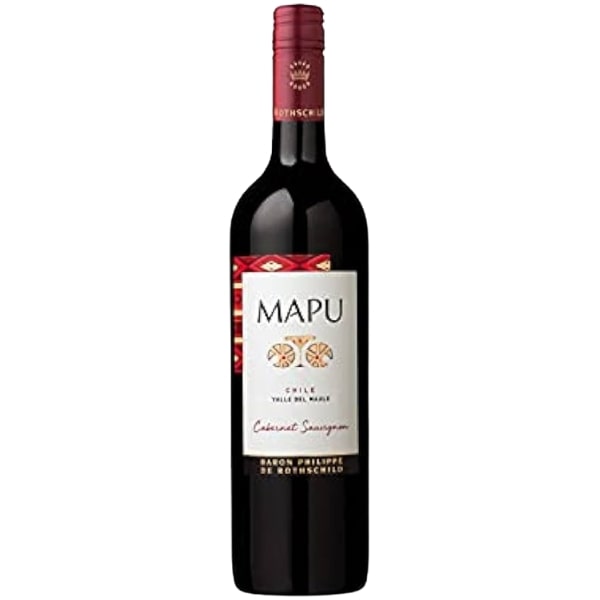
Cabernet Sauvignon, Carmenère, Chardonnay, Merlot, Sauvignon Blanc