 Log in to view
฿฿
Product information compiled from producer, importer and reference sources.
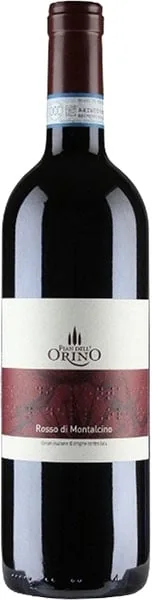
94 points in Wine Advocate - "Here's a bit of breaking news. When I went to the winery to taste this wine, it was geared up to be classified as a Brunello di Montalcino. The idea was to use the best fruit that could be obtained from the Bassolino vineyard in this difficult vintage.
Only 3,000 bottles plus a few magnums were made. Just hours after my tasting, I got an email from proprietor Caroline Pobitzer saying that the Brunello I had tasted, would in fact be declassified as Rosso. In effect, the 2014 Rosso di Montalcino Bassolino has the DNA and the pedigree of a Brunello, but the qualities of the vintage make the wine lean on impact and ephemeral in terms of its bouquet.
It's all about grace and poise without that distinctive brawn you get in Brunello. But if your palate veers toward the light, elegant and fragile side of the Sangiovese spectrum, you should scoop up as many bottles as possible because this wine speaks directly to those tastes. The wine is beautifully balanced and carefully acidic in all the right spots."
Rosso di Montalcino is made from 100 percent Sangiovese Grosso grapes. The grapes are selected in the same way as for the Brunello di Montalcino. The difference is found in the wine-making. Spontaneous fermentation starts after one or two days of maceration.
The temperature is automatically controlled so that it does not exceed 30°C. The must macerates for two or three weeks, depending on the vintage, in order to obtain mainly fruity flavours and finesse.
Once fermentation has concluded, the wine is transferred to barriques and small 500-liter barrels, where the malolactic fermentation takes place. After maturing for one year in the barrels, the wine is bottled and kept in the cellar for another three months before presented to the clients.
Loading notes…
Tasted this?
Ask us on LINE.
Ask about this item