 Log in to view
฿฿฿
WNLQ9 vintage signal, averaged from Wine Enthusiast Wine Vintage Chart 2026 Edition's 2 closely-agreeing Burgundy Red 2021 ratings (Burgundy Cote de Nuits Red; Burgundy Cote de Beaune Red).
A vintage grade rates the growing season in this wine’s region — not this specific bottle. Source.
Product information compiled from producer, importer and reference sources.
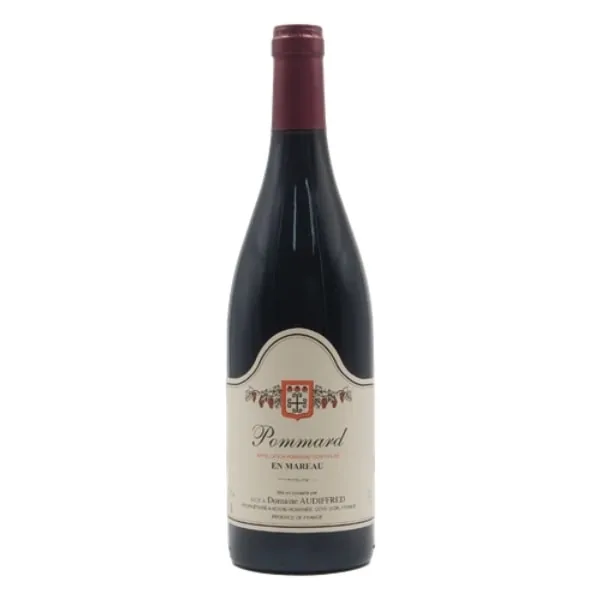
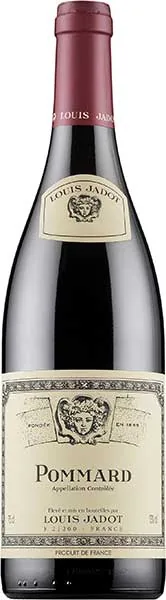
Pommard's iron-rich clay slopes yield Jadot's structured Pinot Noir—mid-weight, mineral-driven, built for cellaring.
Pommard occupies the southern flank of the Côte de Beaune, where iron-oxide-rich clay over limestone bedrock defines the appellation's signature mineral spine. Louis Jadot sources from premier cru and village-level parcels across the commune, capturing the region's cool continental character at 240–280 meters elevation.
Jadot's house style emphasizes whole-cluster fermentation in temperature-controlled open vats, extended maceration (12–14 days) to extract tannin structure without over-extraction, and 18–20 months in French oak (25–30% new). The result is a wine built on phenolic architecture rather than fruit opulence—a deliberate restraint that rewards patience.
Pommard's reputation rests on this very tension: the appellation produces some of Burgundy's most age-worthy village wines, yet many drinkers encounter them too young, mistaking structure for austerity.
The special marker here is Jadot's négociant discipline: the house maintains strict selection protocols across multiple vineyard sources, ensuring consistency in a commune where quality can vary sharply parcel-to-parcel. This bottling typically drinks well from 3–4 years onward, with peak maturity at 8–12 years, when secondary flavors (leather, dried cherry, forest floor) emerge beneath the primary mineral frame.
Sommelier’s pick: Coq au vin with pearl onions and mushrooms · Roasted duck breast with cherry gastrique · Aged Comté cheese with walnut bread
Loading notes…
Tasted this?
Ask us on LINE.
Ask about this item