 Log in to view
฿฿฿
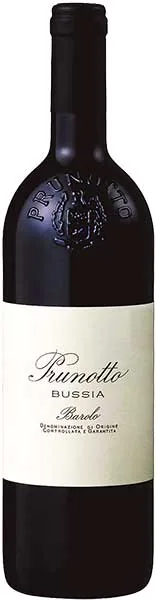
DOCG, Barolo.
WNLQ9 vintage signal, averaged from Wine Enthusiast Wine Vintage Chart 2026 Edition's 2 closely-agreeing Piedmont 2020 ratings (Piedmont Barbaresco; Piedmont Barolo).
A vintage grade rates the growing season in this wine’s region — not this specific bottle. Source.
Product information compiled from producer, importer and reference sources.
Bussia MGA, Serralunga-adjacent clay-limestone soils — Prunotto's single-vineyard Barolo aged in large Slavonian oak.
Prunotto's relationship with Bussia dates to the 1960s, when the house began bottling it as a single-vineyard expression at a time when most Barolo was sold as a blended commune wine — a deliberate bet on site identity that predated the MGA classification by decades.
Bussia sits in the heart of Monforte d'Alba, its soils a compact mix of Tortonian-era calcareous marl and clay that retains heat through the long growing season while forcing roots deep for mineral extraction. The elevation and southwest-facing aspect extend hang time, building the phenolic density Nebbiolo needs without sacrificing the site's structural backbone.
Prunotto ferments on native yeasts with extended maceration to extract Nebbiolo's characteristic tar and rose-skin compounds, then ages in large Slavonian oak botti — a traditionalist choice that allows slow oxidation without imposing vanilla or coconut from new wood.
What separates Bussia from Prunotto's commune-level Barolo is the concentration of tannin grain: finer and more persistent, a direct consequence of the clay-dominant subsoil. Expect the wine to reward patience; current releases benefit from decanting and will continue developing over a decade-plus in bottle.
Sommelier’s pick: Tajarin with white truffle and butter · Aged Parmigiano-Reggiano with honey · Roasted lamb rack with rosemary and garlic
Loading notes…
Tasted this?
Ask us on LINE.
Ask about this item