 Log in to view
฿฿
Product information compiled from producer, importer and reference sources.
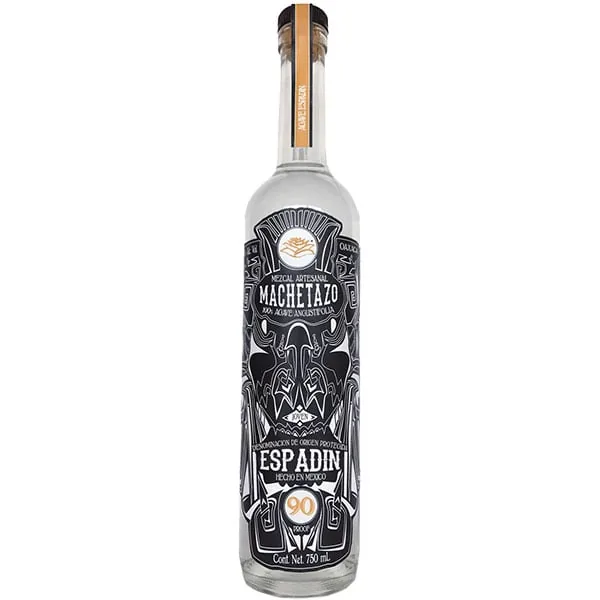
Oaxacan Espadín roasted in earthen pit, open-air fermented, copper-pot distilled — raw agave smoke meets mineral clay in every pour.
Macheatazo takes its name from the machete strike that harvests mature agave hearts — a nod to the physical, unromantic labor behind every batch. Espadín (Agave angustifolia) grown in the Central Valleys of Oaxaca develops on rocky, mineral-rich soils at mid-elevation, where the dry season stress concentrates sugars and amplifies the plant's characteristic herbaceous-smoky character.
Production follows traditional Oaxacan method: piñas are roasted in a conical earthen pit lined with volcanic rock, then crushed by tahona or mallet, open-air fermented in wooden vats using ambient wild yeast — a process that introduces regional microbial complexity — and double-distilled in copper pot stills.
No additives, no chill-filtration, bottled at natural proof to preserve the full distillate character.
What separates this expression is its unaged, uncut transparency: the pit-roast smoke, raw agave fiber, and wild-ferment funk arrive without any oak softening or dilution. A mezcal built for those who want the Central Valleys in the glass, not a polished approximation of them.
Sommelier’s pick: tlayuda with black bean and tasajo · grilled octopus with salsa negra · mole negro with turkey
Loading notes…
Tasted this?
Ask us on LINE.
Ask about this item