 Log in to view
฿฿
Junmai ginjo.
Product information compiled from producer, importer and reference sources.
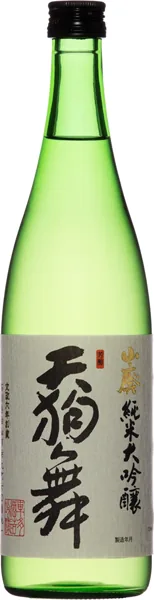
Kanazawa's yamahai junmai ginjo: wild yeast fermentation from soft Kaga water, mineral-driven complexity.
Tengumai's yamahai method harks to pre-industrial sake brewing: the brewery in Kanazawa, Ishikawa, cultivates natural lactobacillus in the moto (starter culture) rather than inoculating it, a labor-intensive practice abandoned by most producers in the 1960s.
This junmai ginjo—rice polished to 50%—ferments in temperature-controlled tanks using the brewery's proprietary yamahai culture, which develops over weeks of natural acidification.
The Kaga region's soft water, naturally low in minerals, allows the delicate ginjo aromatics to emerge without the masking effect of harder water. Fermentation proceeds slowly, typically 25–30 days, concentrating amino acids and organic acids that define yamahai's signature savory backbone.
No added alcohol; the final expression reaches approximately 15.6% ABV naturally.
Yamahai's transgression: where modern sake prioritizes floral purity, this method introduces umami depth and a subtle funkiness—lactic acid notes that some dismiss as 'old-fashioned' but which serious sake drinkers recognize as terroir expression. The 2023 vintage (or current release) drinks immediately but will evolve gracefully for 3–5 years in cool storage.
Sommelier’s pick: Grilled yellowtail collar (hamachi kama) with sea salt · Aged Comté cheese with quince paste · Miso-braised pork belly with daikon
Loading notes…
Tasted this?
Ask us on LINE.
Ask about this item