 Log in to view
฿฿฿฿
Product information compiled from producer, importer and reference sources.
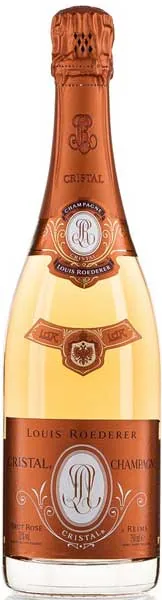
When Jean-Baptiste Lécaillon converted all 45 Cristal Grand Cru plots to biodynamic viticulture from the 2012 vintage onward, the 2013 became only the second fully biodynamic Cristal Rosé ever released — a deliberate repositioning of a prestige cuvée away from négociant blending logic and toward single-estate terroir accountability.
The 80 hectares of Cristal vines span seven Grand Cru communes — Verzenay, Verzy, Beaumont-sur-Vesle, Aÿ, Avize, Mesnil-sur-Oger, and Cramant — where shallow chalk topsoil of roughly 20 cm over pure chalk bedrock forces vine roots deep, producing fruit of high natural tension and mineral salinity.
The blend runs 55% Pinot Noir to 45% Chardonnay, with colour extracted via the saignée method rather than red-wine addition, preserving structural precision. No reserve wines enter the blend — an absolute rule for Cristal — and malolactic fermentation is partially blocked to sustain aging architecture.
Six years on lees before disgorgement, dosage held to 7–8 g/L. What separates Cristal Rosé from its peers is the combination of 100% estate Grand Cru fruit, full biodynamic certification, and the refusal to use reserve wines — a grower-estate discipline inside a grande maison framework.
The 2013 vintage in Champagne delivered cool-season acidity and taut structure; this expression rewards cellaring well into the 2030s.
** Vintage may change — please confirm with our team.
Sommelier’s pick: Grilled langoustine with bisque butter and tarragon · Slow-roasted duck breast with sour cherry jus · Bluefin tuna tataki with ponzu and micro shiso
Loading notes…
Tasted this?
Ask us on LINE.
Ask about this item