 Log in to view
฿฿฿
WNLQ9 vintage signal, averaged from Wine Enthusiast Wine Vintage Chart 2026 Edition's 2 closely-agreeing Piedmont 2019 ratings (Piedmont Barbaresco; Piedmont Barolo).
A vintage grade rates the growing season in this wine’s region — not this specific bottle. Source.
Product information compiled from producer, importer and reference sources.
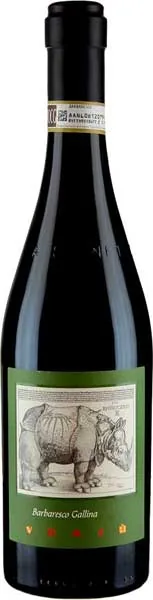
Barbaresco from Cortese's Rabajà vineyard: Nebbiolo aged in large oak, drinking beautifully now.
Giuseppe Cortese established his eponymous label in 1978, focusing exclusively on single-vineyard Barbaresco from the Rabajà cru in the commune of Neive—one of Piedmont's most prestigious Nebbiolo sites.
Terroir: Rabajà occupies southeast-facing slopes at 250–320 meters elevation, with calcareous marl and clay soils that impart mineral tension and structure to Nebbiolo. The aspect and altitude extend ripening into October, building phenolic maturity while preserving acidity.
Winemaking: Cortese employs traditional maceration in temperature-controlled cement vats, followed by aging in large Slavonian oak casks (botti) for 24–30 months. This regime—favoring wood size over new oak—allows Nebbiolo's tannin architecture to evolve without oak dominance.
No malolactic acceleration; the wine completes its secondary fermentation naturally in wood.
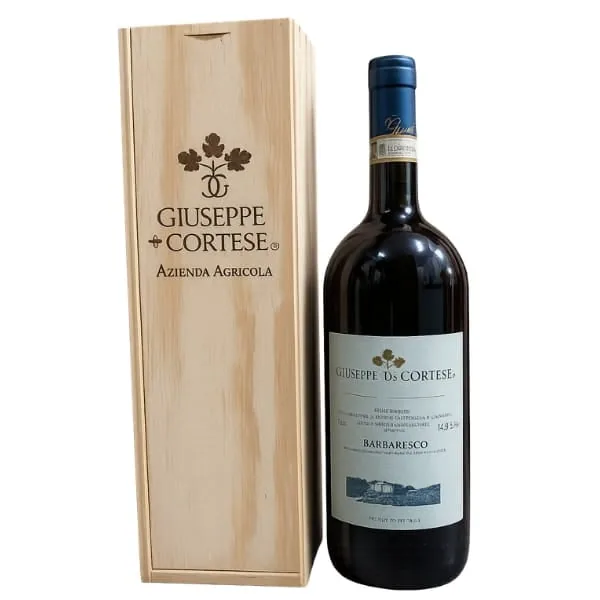
Special Feature: This 1.5 L format in wooden case represents the producer's commitment to cellaring-grade Barbaresco; the larger format slows oxidation and extends aging potential significantly beyond standard 750 ml bottles.
The wine displays the mineral-driven profile characteristic of Rabajà, with structured tannins and acidity that suggest 8–15 years of further development. Currently approachable but will deepen considerably through the 2030s.
Sommelier’s pick: Brasato al Barolo (slow-braised beef with Nebbiolo reduction) · Tajarin with white truffle and brown butter · Roasted lamb shoulder with rosemary and garlic
Loading notes…
Tasted this?
Ask us on LINE.
Ask about this item