 Log in to view
฿฿฿
Product information compiled from producer, importer and reference sources.
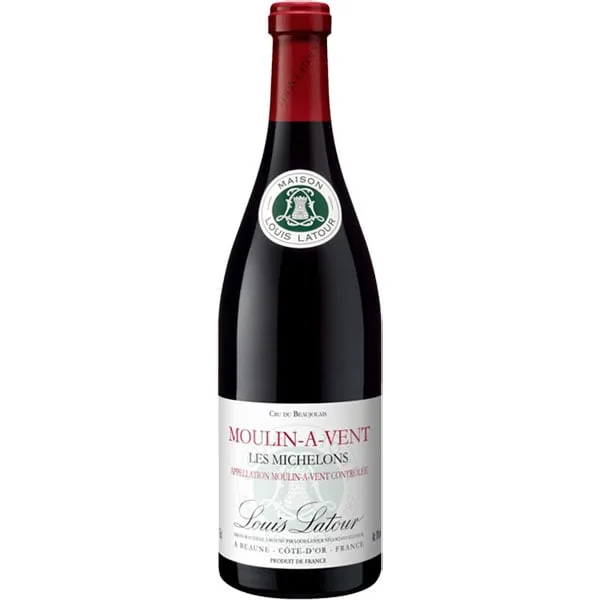
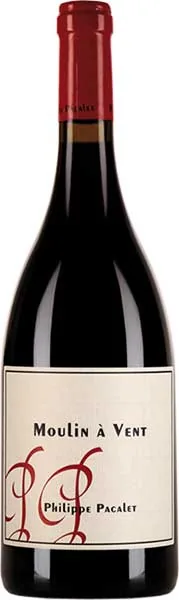
100% Gamay from Moulin-à-Vent, whole-cluster fermented in open wood with zero added sulphur — Pacalet strips Beaujolais cru down to pure granite terroir.
Philippe Pacalet founded his négociant house in 2001 as a direct intellectual heir to Jules Chauvet — the scientist who laid the theoretical groundwork for natural winemaking — and that lineage is nowhere more legible than in this Moulin-à-Vent. Where most Beaujolais cru producers chase plush, carbonic fruit, Pacalet treats Gamay as a terroir vehicle, not a variety to be flattered.
Moulin-à-Vent's soils are among the most distinctive in Beaujolais: decomposed pink granite with high manganese content, which tightens Gamay's structure and suppresses its tendency toward simple fruit, pushing the wine toward mineral tension and darker register.
Pacalet's plots are farmed organically, yields held to approximately 31–35 hL/ha.
Whole-cluster fermentation in open wooden vats, pigeage twice daily over 2.5–3 weeks, indigenous yeasts only, and zero sulphur added during vinification. Malolactic fermentation completes in 228 L French oak pièces, where the wine ages on lees for 15–18 months without racking, kept in suspension by barrel-rolling. Bottled unfined and unfiltered, with only a micro-dose of sulphur at bottling.
The 2022 vintage brought a warm, dry summer that added more weight than typical for Pacalet, but the whole-cluster technique and no-sulphur approach preserve a freshness that distinguishes this from the vintage's richer norm. Drink from 2025 through 2030.
Sommelier’s pick: Roasted duck breast with cherry jus · Grilled lamb chops with rosemary and anchovy butter · Braised pork belly with five-spice
Loading notes…
Tasted this?
Ask us on LINE.
Ask about this item