 Log in to view
฿฿฿
WNLQ9 vintage signal, averaged from Wine Enthusiast Wine Vintage Chart 2026 Edition's 3 closely-agreeing Bordeaux 2022 ratings (Bordeaux Pomerol/Saint-Emilion; Bordeaux Medoc; Bordeaux Graves Red).
A vintage grade rates the growing season in this wine’s region — not this specific bottle. Source.
Product information compiled from producer, importer and reference sources.
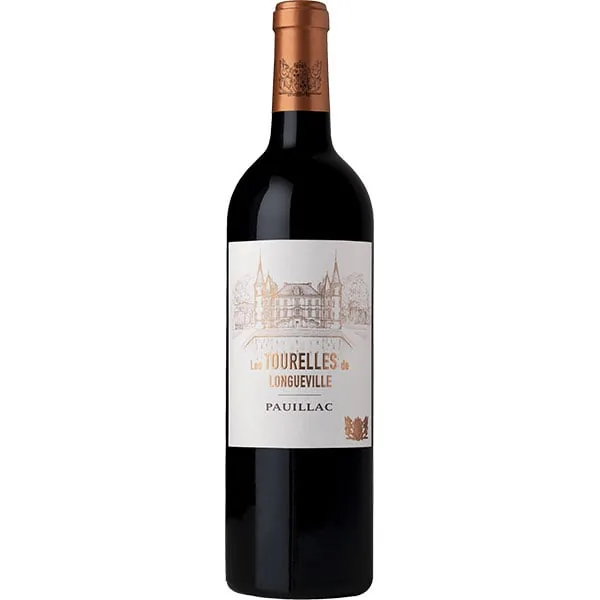
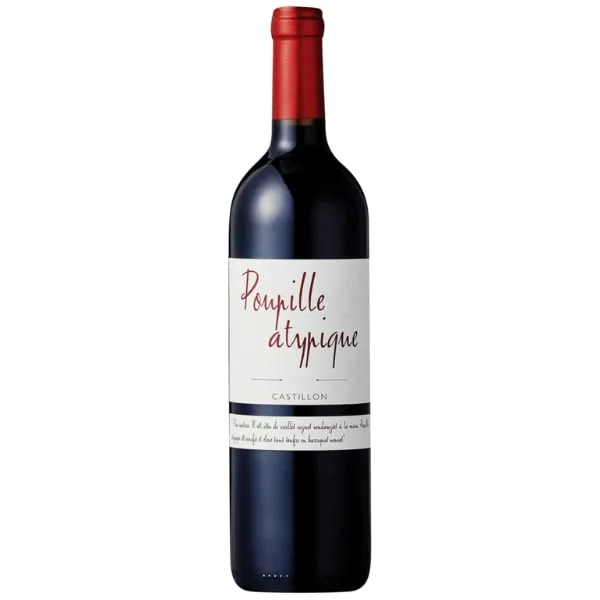
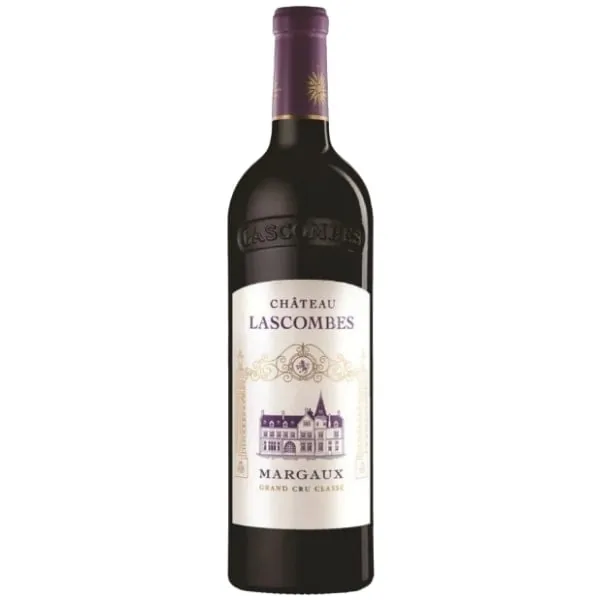
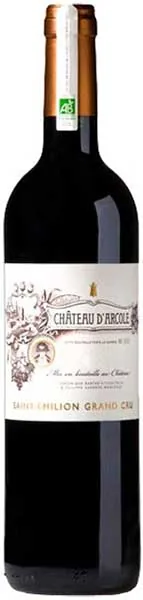
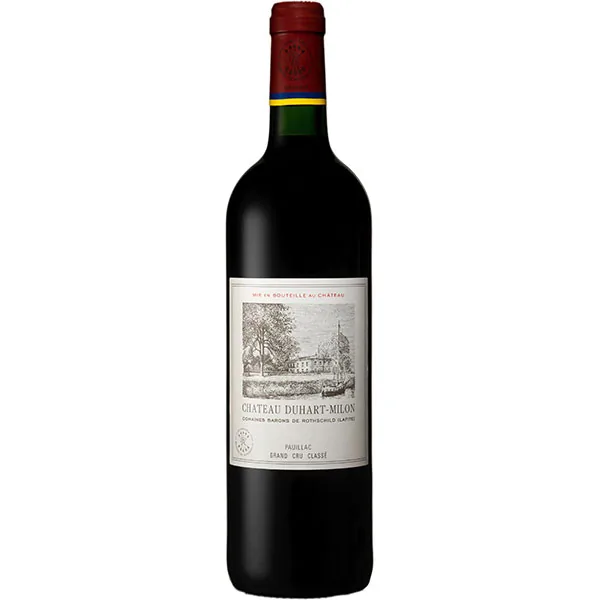
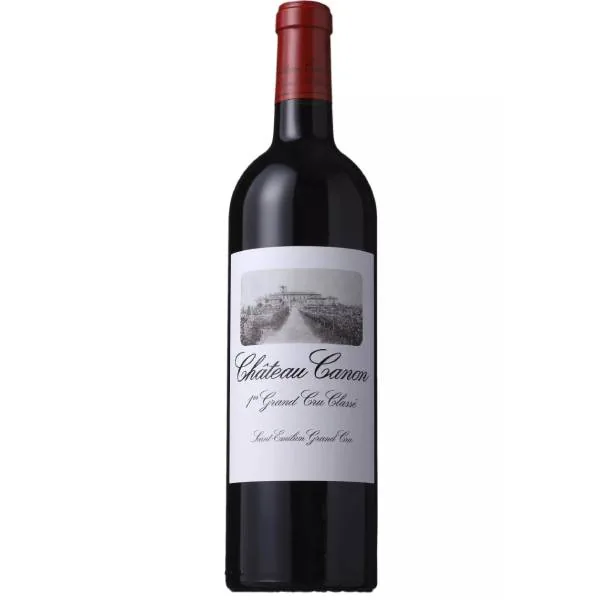
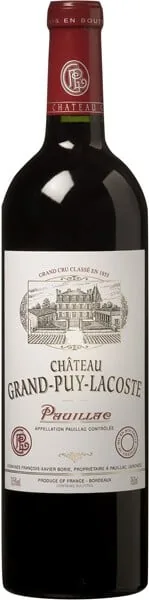
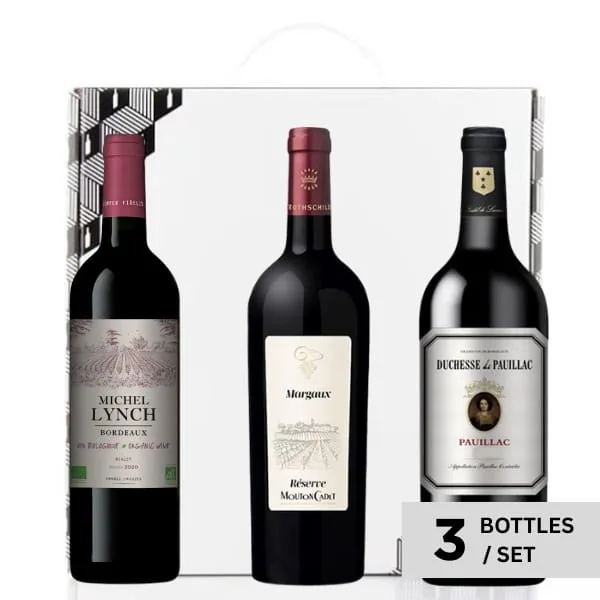
Bordeaux Left Bank trio spanning classic Pauillac, Margaux, and Saint-Julien terroirs—entry point to the region's Cabernet-driven architecture.
Left Bank Cabernet Explorer Trio assembles three distinct expressions from Bordeaux's most prestigious Cabernet strongholds, each anchored to its specific Left Bank terroir.
Pauillac sits on the Médoc's gravel-dominant plateau, elevated 20–30 meters above the Gironde estuary, where deep Günz gravel over clay subsoil demands structured Cabernet Sauvignon. Margaux occupies finer, more complex soils—lighter gravels mixed with sand and iron-rich clay—producing wines of greater aromatic finesse.
Saint-Julien bridges both: deeper gravels with limestone bedrock, yielding mid-weight Cabernet with mineral precision.
Each wine follows classical Left Bank protocol: Cabernet Sauvignon dominance (70–85%) with Merlot and Cabernet Franc in supporting roles, fermented in temperature-controlled concrete or stainless steel, then aged 12–18 months in French oak (30–50% new). The trio format allows direct comparison of how identical production philosophy yields distinct profiles across three microclimates within a 40-kilometer radius.
Special feature: This is a teaching set—designed to isolate terroir expression rather than vintage variation or winemaker signature. Ideal for understanding how Bordeaux's Left Bank hierarchy functions at the entry level.
Sommelier’s pick: Beef bourguignon with pearl onions and mushrooms · Lamb navarin with root vegetables · Duck confit with cherry gastrique
Loading notes…
Ask us on LINE.
Ask about this item