 Log in to view
฿฿
Product information compiled from producer, importer and reference sources.
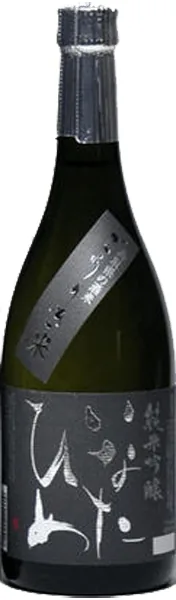
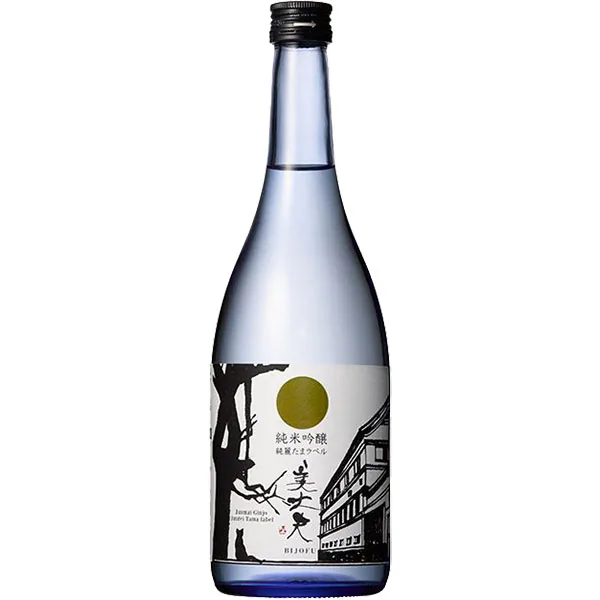
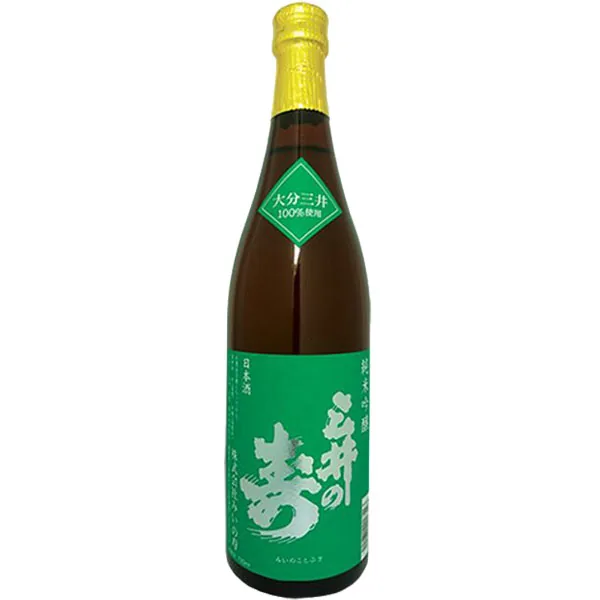
Oita's Mii district, junmai ginjo from sake rice polished to 60%, fermented for crystalline minerality.
Miinokotobuki operates in Oita's Mii subregion, a site historically marginal to Japan's sake hierarchy but increasingly recognized for water chemistry that favors delicate, mineral-forward expressions. The brewery sources sake rice polished to 60% (ginjo specification), removing the lipid-rich outer layers to expose the starch core—a labor-intensive step that demands precision timing and equipment calibration.
Fermentation parameters remain proprietary to the house, but junmai ginjo production in this region typically employs koji cultivation on polished grain and multiple parallel fermentation to balance amino acid development against clean alcohol production. The
absence of added brewers' alcohol (characteristic of junmai classification) means all complexity derives from rice enzymatic breakdown and yeast metabolism alone.
The Mii water source—drawn from volcanic geology underlying the subregion—imparts a subtle mineral spine that distinguishes this expression from broader Oita-prefecture benchmarks. This is a sake built for precision tasting rather than broad appeal: the polish ratio and water chemistry conspire to suppress residual sweetness and emphasize clarity.
Drinking window: immediate to 18 months from release. Serve chilled (45–50°F) to preserve volatile aromatics.
Sommelier’s pick: Grilled white fish (sea bream, halibut) with sea salt · Oysters on the half shell, mignonette optional · Sashimi-grade scallop, wasabi, soy
Loading notes…
Tasted this?
Ask us on LINE.
Ask about this item