 Log in to view
฿฿฿
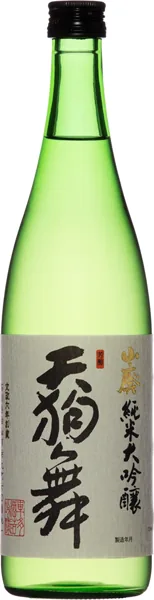
Junmai ginjo.
Product information compiled from producer, importer and reference sources.
Kanazawa yamahai junmai ginjo: wild yeast fermentation from Ishikawa's soft water, layered umami depth.
Tengumai's yamahai method dates to the brewery's 1823 founding in Kanazawa, Ishikawa Prefecture—a technique nearly extinct by the 1970s until this producer revived it. The brewery draws from the Kuzuryu River basin, where soft water with minimal mineral content shapes fermentation character fundamentally different from modern sokujo sake.
Site & Water: Kanazawa's terroir centers on naturally soft water (low potassium, calcium) that slows fermentation and amplifies amino acid development. The yamahai method—wild lactobacillus inoculation during koji-making—introduces natural acidity without added lactic acid, creating a slower, more complex fermentation arc.
Technique: Junmai ginjo classification requires 40% rice polish (60% remaining grain). Yamahai fermentation spans 25–30 days, substantially longer than sokujo's 10–14 day standard. The extended contact between yeast and lees builds umami compounds (glutamates, nucleotides) while wild microbes generate organic acids naturally. No added alcohol; pure rice-to-bottle expression.
Special Feature: Yamahai's slower fermentation produces higher glycerol and amino acid concentrations than modern methods—measurable richness without sweetness. This expression carries the method's signature: a savory, almost brothy undertone beneath floral aromatics, rare in ginjo-class sake.
Drinking Window: 2024–2027. Serve chilled (45–50°F) to preserve aromatic clarity; warming to 55°F reveals umami depth.
Sommelier’s pick: Grilled yellowtail collar (hamachi kama) with sea salt · Miso-braised eggplant with bonito dashi · Aged Comté cheese with roasted hazelnuts
Loading notes…
Tasted this?
Ask us on LINE.
Ask about this item