 Log in to view
฿฿
Product information compiled from producer, importer and reference sources.
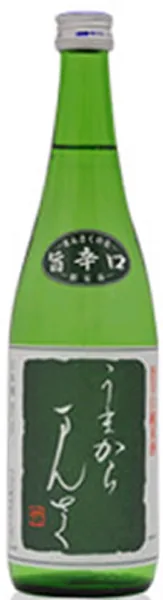
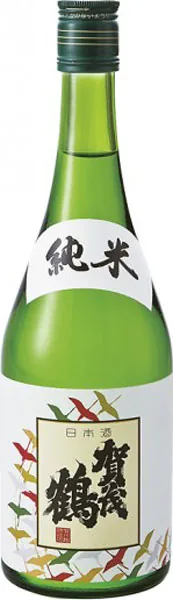
Hiroshima soft-water junmai from Saijo's Kura No. 2, brewed via slow low-temperature fermentation — the house method that reshaped Japan's ginjo era.
In 1958, Kamotsuru released the world's first commercially sold daiginjo — but the technical foundation for that breakthrough was laid decades earlier when the brewery proved that Hiroshima's ultra-soft subsoil water, long dismissed as a liability, could produce sake of the highest order.
That same water, filtered through the Kamo Mountains and nearly devoid of minerals, defines every expression the brewery makes, including this Junmai. Kura No. 2, the dedicated junmai brewhouse on Saijo's Sakagura-dori campus, handles this expression, with its own toji overseeing the process.
The water's mineral poverty demands slow, low-temperature moromi fermentation — yeast activity must be coaxed rather than driven — and deep koji cultivation into the rice's inner structure to front-load saccharification before fermentation begins. Rice is steamed in traditional wooden steamers.
The sake rice, polished to 70% remaining (seimaibuai), is sourced from contract farms in Hiroshima's northern highlands, where clay-loam soils and pronounced diurnal temperature swings produce dense, starchy grains suited to this style. The result is the brewery's signature Ama-Kara-Pin-Uma profile — mildly sweet, dry, refreshing, and deeply savory — in its most approachable, food-driven form.
Drink now through two years from production.
Sommelier’s pick: Grilled yellowtail collar with ponzu · Steamed pork belly with ginger-scallion sauce
Loading notes…
Tasted this?
Ask us on LINE.
Ask about this item