 Log in to view
฿฿
Product information compiled from producer, importer and reference sources.
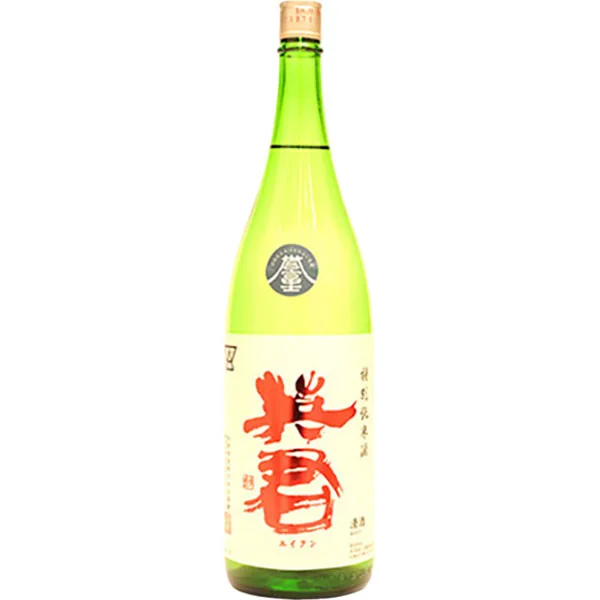
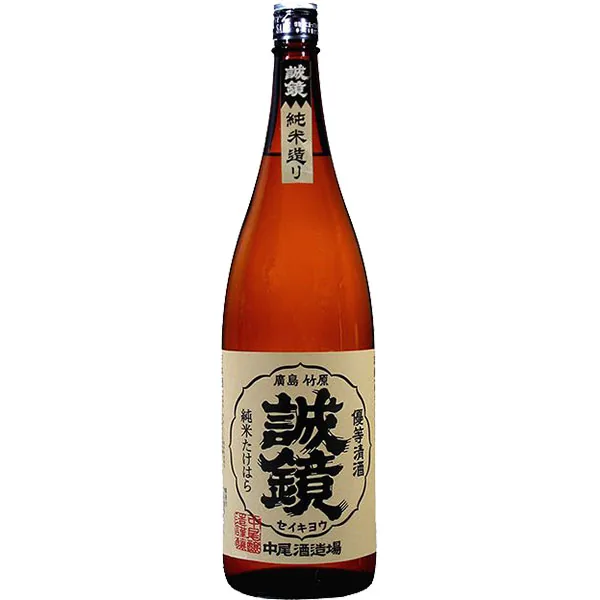
Takehara coastal junmai brewed with Kamo Mountain soft water and a proprietary apple yeast isolated from 2,000+ sources — the technique that reshaped modern sake.
In 1947, 4th-generation brewmaster Kiyoma Nakao invented koon toka — a high-temperature saccharification method heating koji, rice, and water to 55°C to eliminate competing bacteria before rapid cooling and lactic acid addition. The technique is now used by
over 60% of Japanese breweries for daiginjo competition sakes, yet it was born here in Takehara, a coastal town on the Seto Inland Sea that once supported 26 breweries and today retains only two.
Nakao Brewery draws soft spring water from the Kamo Mountains — the low-mineral profile that defines Hiroshima's kirei (clean, beautiful) brewing tradition. Soft water slows fermentation, yielding a mellow, melting texture and restrained sweetness that harder-water sakes cannot replicate.
This Junmai uses local Hiroshima table rice polished to 65% seimaibuai, fermented with the brewery's proprietary apple yeast — isolated after testing over 2,000 yeast sources — and pressed on a Yabuta machine before dilution to 15.4% ABV. Aging proceeds in enamel-coated steel tanks, preserving the yeast's crisp, fruit-forward character without wood interference.
Where most Hiroshima breweries lean on neutral yeast profiles, Seikyo's apple yeast delivers a structurally distinctive acidity that lifts the soft-water umami rather than flattening it — an intentional transgression of regional convention. As an NV expression in a 1.8 L format, this is built for table use: drink now through the next 12–18 months, ideally lightly chilled at 10–15°C.
Sommelier’s pick: Steamed sea bream with ginger and scallion · Grilled squid with sudachi and sea salt · Chawanmushi with crab and dashi
Loading notes…
Tasted this?
Ask us on LINE.
Ask about this item