 Log in to view
฿฿฿
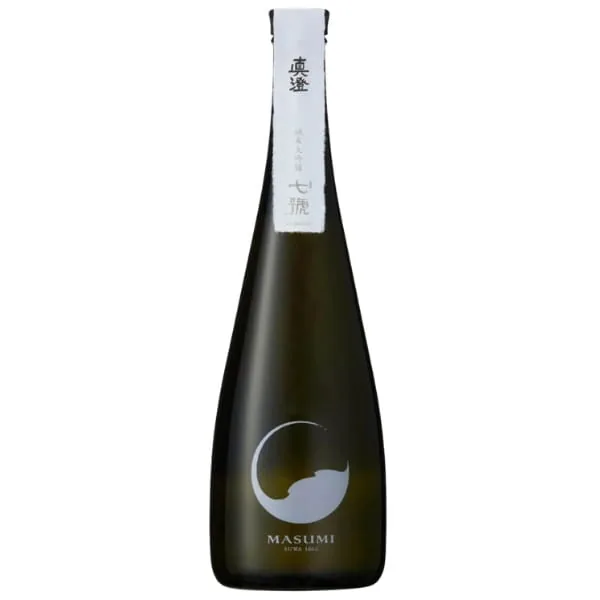
Junmai Daiginjo.
Product information compiled from producer, importer and reference sources.
Nagano's Kinmon Nishiki rice, yamahai-starter, and the yeast Masumi gave the world — Nanago Daiginjo at its most site-specific.
In 1946, Masumi's brewers isolated a yeast strain from their own fermentation tanks in Suwa that would go on to define modern sake: Kyokai Yeast No. 7, now deployed by over 60% of Japan's breweries. The Nanago Junmai Daiginjo is the expression built entirely
around that origin — brewed at the Suwa Moto-machi kura (est. 1662), where snowmelt from the Yatsugatake Eight Peaks Range filters through the Kirigamine Highlands before surfacing at Shimizu-machi, 'Clear Water Village.'
That ultra-soft alpine water shapes a delicate fermentation. The rice is Kinmon Nishiki, a Nagano-native variety milled in-house to Daiginjo grade (≤50% remaining), and the yeast starter is built by the yamahai method — natural lactic-acid bacteria cultivated
over approximately two weeks, no commercially added lactic acid — generating a structural backbone of acidity and umami depth that most Daiginjo producers deliberately engineer out.
The result is the category's central transgression: a Junmai Daiginjo with the aromatic lift of the grade and the food-tensile structure of a yamahai. As a non-vintage expression, character is consistent across releases — drink now or hold 1–2 years refrigerated for further integration.
Sommelier’s pick: Steamed Hokkaido scallop with yuzu kosho butter · Grilled tai (sea bream) with sansho salt and sudachi · Chawanmushi with crab and dashi jelly
Loading notes…
Tasted this?
Ask us on LINE.
Ask about this item