 Log in to view
฿฿
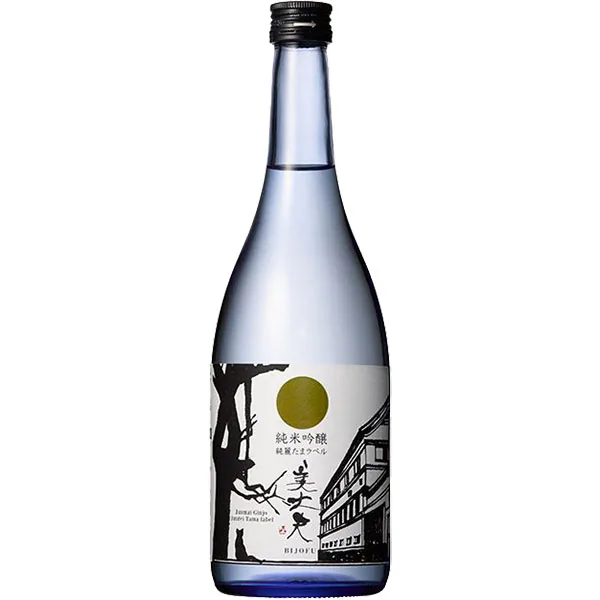
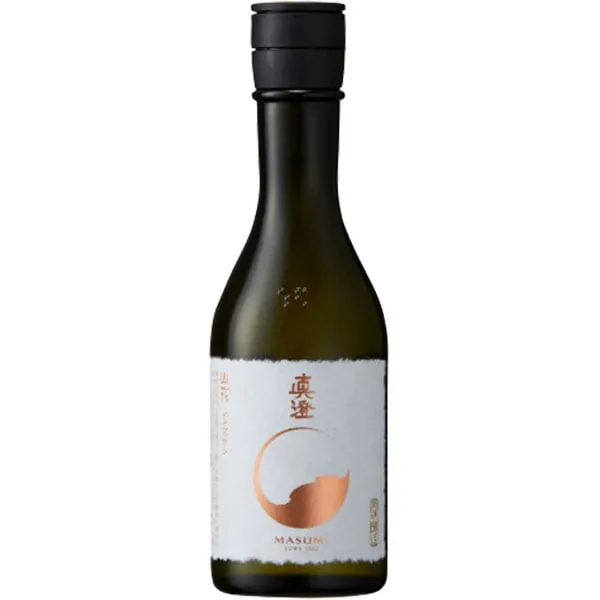
Junmai Daiginjo.
Product information compiled from producer, importer and reference sources.
Masumi's Junmai Daiginjo from Suwa's alpine kura — yamahai-method complexity at daiginjo polish, built on the yeast Japan gave the world.
In 1946, Masumi's brewers isolated a yeast strain from their own fermentation tanks in Suwa, Nagano — a culture so reliable and expressive that the Brewing Association distributed it nationwide as Kyokai Yeast No. 7, now deployed by over 60% of Japan's sake producers.
Masumi still brews with it exclusively, on the very site where it was born. The Suwa Moto-machi kura sits at the junction of the ancient Koshu Kaido road and the route to the Kirigamine Highlands, in a district historically called Shimizu-machi — 'Clear Water Village' — drawing snowmelt from the Yatsugatake (Eight Peaks) Range.
That cold, mineral-laden alpine water shapes the sake's clean, high-toned character. The Sanka Junmai Daiginjo is brewed by the yamahai yeast-starter method: natural lactic-acid bacteria are cultivated in the shubo over approximately two weeks before fermentation begins — no commercially added lactic acid — yielding a structural backbone and lactic depth that sokujo-method daiginjo rarely achieves.
Rice is milled in-house to daiginjo grade (≤50% seimaibuai), then fermented in three-stage sandan-jikomi. What sets Sanka apart: Masumi applies yamahai across its entire range, not as a premium-tier affectation — making this 300 ml format a rare entry point into full yamahai daiginjo complexity.
Drink now or hold briefly chilled; the lactic structure gives it more table resilience than most daiginjo expressions.
Sommelier’s pick: Hokkaido scallop carpaccio with yuzu kosho · Steamed sea bass with ginger and scallion oil · Chawanmushi with uni and dashi
Loading notes…
Tasted this?
Ask us on LINE.
Ask about this item