 Log in to view
฿฿฿
Junmai Ginjo.
Product information compiled from producer, importer and reference sources.
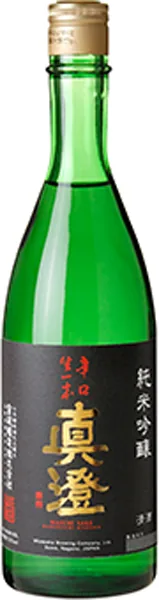
Karakuchi 'dry backbone' Junmai Ginjo from Suwa, brewed on Kyokai No. 7 — the yeast Masumi gave the world in 1946.
In 1946, Masumi's brewers isolated a yeast strain from their Suwa fermentation tanks that would go on to define modern sake: Kyokai Yeast No. 7, now deployed by over 60% of Japan's breweries. The Karakuchi Kiippon is built entirely on that lineage, fermented
in the yamahai yeast-starter method — a two-week natural lactic-acid cultivation in the shubo tank, without commercially added lactic acid — a process Masumi applies across its entire range rather than reserving it for premium tiers alone.
The brewery sits at the junction of the ancient Koshu Kaido road and the Kirigamine Highlands approach in Suwa Basin, drawing snowmelt water from the Yatsugatake (Eight Peaks) Range; the cold alpine climate and mineral-clean water drive the pronounced natural acidity that defines the house style.
Rice is Miyama Nishiki, grown in Nagano and milled in-house to Junmai Ginjo specification (≤60% remaining grain), then fermented through three-stage sandan-jikomi in temperature-controlled tanks. What sets Kiippon apart within the Masumi range is its
deliberate karakuchi (dry) profile — the yamahai lactic backbone amplified rather than softened, producing a sake structured for sustained food pairing rather than standalone sipping.
The 1.8 L magnum format preserves freshness through reduced oxygen exposure per volume, making it the format of choice for high-turnover table service.
Sommelier’s pick: Grilled yellowtail collar (buri kama) with daikon · Chilled tofu with bonito flakes and aged soy · Steamed snow crab with ponzu
Loading notes…
Tasted this?
Ask us on LINE.
Ask about this item