 เข้าสู่ระบบเพื่อดูภาพ
฿
ข้อมูลสินค้ารวบรวมจากผู้ผลิต ผู้นำเข้าและแหล่งข้อมูลอ้างอิง
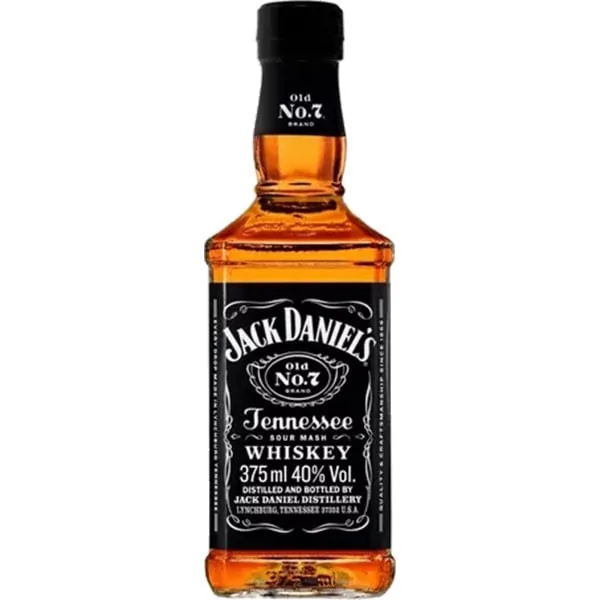
Cave Spring Hollow limestone water + 10-foot sugar maple charcoal vats: the Lincoln County Process that legally separates Tennessee Whiskey from bourbon.
The craft behind Old No. 7 was originally taught to Jack Daniel by Nathan 'Nearest' Green — an enslaved man who served as the distillery's first Master Distiller, a contribution erased from official histories for over a century and only formally recognized in the 2010s.
That foundational technique, the Lincoln County Process, remains the defining act: new-make spirit distilled to 140 proof in a 100-foot copper column still is gravity-fed drop-by-drop through 10-foot vats of handmade sugar maple charcoal over 3–5 days before any barrel contact, stripping harsh congeners in a step that no standard bourbon undergoes.
The distillery sits in Cave Spring Hollow, Lynchburg, Moore County, anchored by a limestone spring locked at a constant 56°F (13°C). Limestone filtration removes iron — detrimental to whiskey flavor — while contributing calcium and magnesium to the water profile.
Barrels age across multi-storey rickhouses, where Tennessee's seasonal temperature swings drive active wood interaction; upper floors accelerate extraction while lower floors develop slower, subtler character. Old No. 7 is blended from 175–200 barrels per batch to balance these extremes, then bottled at 40% ABV after chill filtration.
The mash bill — 80% corn, 12% malted barley, 8% rye — runs through a sour mash process with up to 30% backset for pH and yeast consistency. The result is a sweet-forward, velvety profile that is technically bourbon-compliant under federal law yet deliberately refuses that label.
ตัวเลือกของซอมเมอลิเยร์: Pulled pork BBQ with hickory smoke and brown sugar glaze · Pecan-crusted chicken with bourbon-butter pan sauce · Smoked brisket with molasses-based dry rub
กำลังโหลดบันทึก…
เคยชิมขวดนี้ไหม?
สอบถามเราทาง LINE
สอบถามเกี่ยวกับขวดนี้