 เข้าสู่ระบบเพื่อดูภาพ
฿฿
ข้อมูลสินค้ารวบรวมจากผู้ผลิต ผู้นำเข้าและแหล่งข้อมูลอ้างอิง
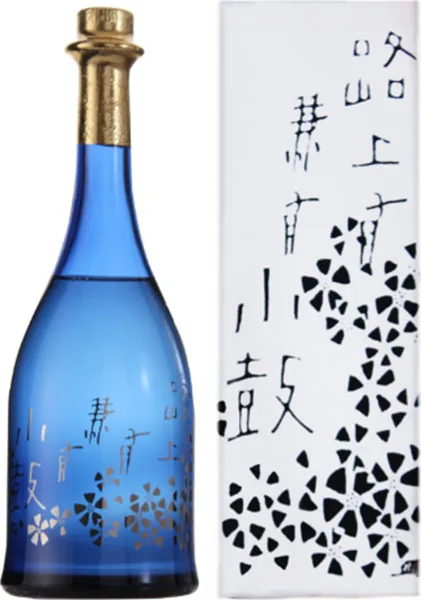
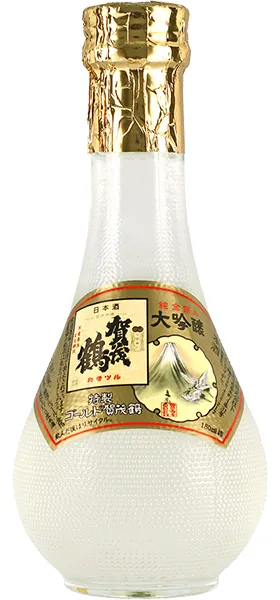
The world's first commercially sold daiginjo (1958), brewed in Saijo with ultra-soft Kamo Mountain water via slow, low-temperature fermentation.
In 1958, Kamotsuru released Tokusei Gold — the world's first commercially sold daiginjo — decades before the category had a name, let alone a market. That act of category creation was inseparable from a technical gamble: proving that Saijo's ultra-soft subsoil water, filtered through the Kamo Mountains of Higashihiroshima, could sustain premium fermentation at all.
Soft water is mineral-poor, which starves yeast of the ionic support that hard-water breweries in Nada and Fushimi take for granted. Kamotsuru's answer was a slow, low-temperature moromi fermentation that compensates by extending yeast activity over a longer arc — the technical foundation of the modern ginjo movement.
Koji is cultured deeply into the rice's inner structure to maximise saccharification before fermentation begins, and rice is steamed in traditional wooden steamers. Kura No. 8, a dedicated brewhouse with its own toji, handles this expression exclusively.
Rice is polished to 38% remaining or lower — a seimaibuai that discards more than three-fifths of each grain — and all Hiroshima-grown rice is polished in-house on the brewery's own machines. The result is the house profile Kamotsuru calls Ama-Kara-Pin-Uma: mildly sweet, dry, refreshing, and deeply tasteful — a silkier, more aromatic signature than any hard-water daiginjo can replicate.
This is the expression that invented its own category; no peer can claim the same lineage.
ตัวเลือกของซอมเมอลิเยร์: Steamed Hiroshima-style oysters with ponzu · Sashimi of flounder (hirame) with sudachi · Chawanmushi with sea urchin and dashi
กำลังโหลดบันทึก…
เคยชิมขวดนี้ไหม?
สอบถามเราทาง LINE
สอบถามเกี่ยวกับขวดนี้