 เข้าสู่ระบบเพื่อดูภาพ
฿฿
ข้อมูลสินค้ารวบรวมจากผู้ผลิต ผู้นำเข้าและแหล่งข้อมูลอ้างอิง
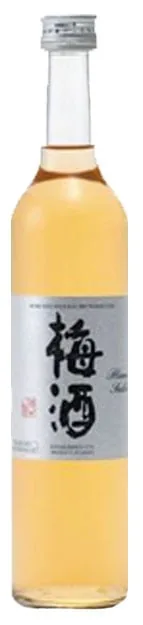
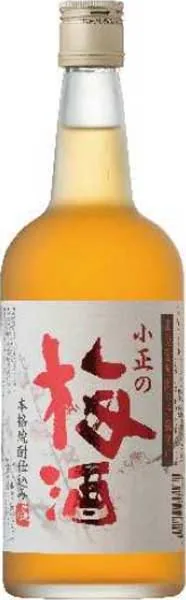
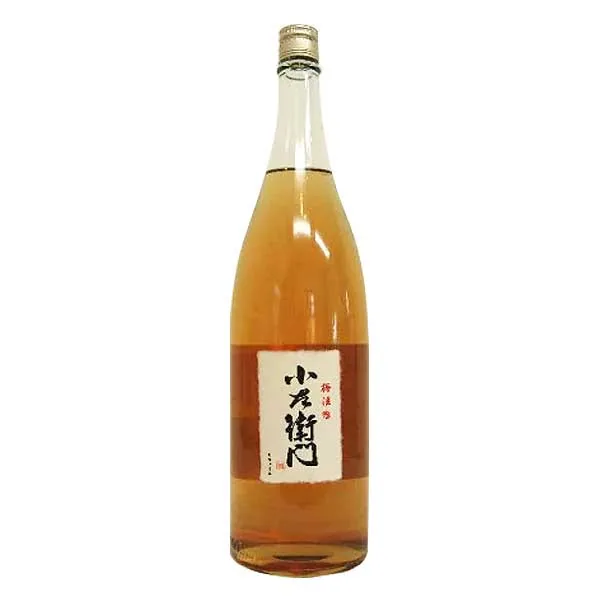
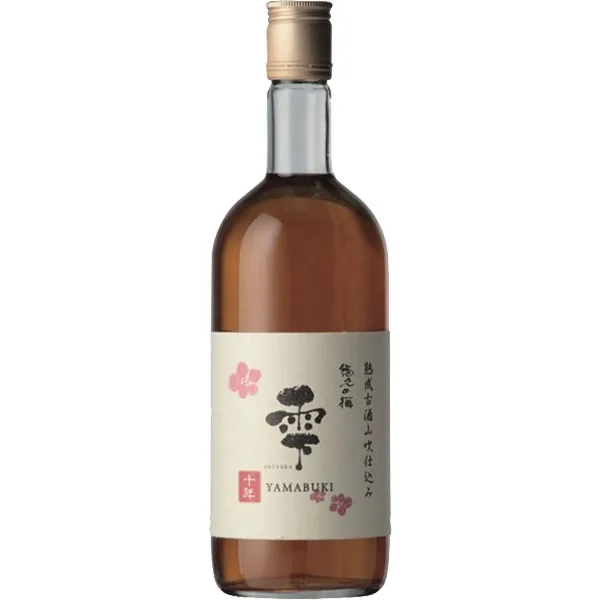
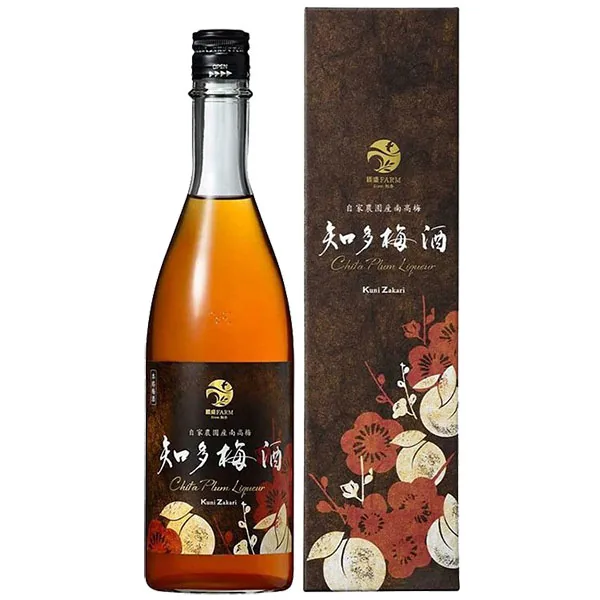
Farm-to-bottle umeshu: Kunizakari grows its own ume at Kuni Zakari Farm on the Chita Peninsula, steeping fruit from the same 1844 kura that pioneered sensor-driven fermentation.
The Nakano family established their kura in Handa City in 1844, on a Chita Peninsula site where warm maritime air (annual average ~15.5°C), natural spring water, and historic transport access made the district one of Edo-period Japan's foremost brewing hubs.
What separates this umeshu from category peers is vertical integration: the ume fruit is cultivated in-house at Kuni Zakari Farm, eliminating the commodity sourcing that defines most commercial plum liqueurs.
The base is Kunizakari sake — produced via sandan-jikomi (three-stage moromi addition) with koji-driven simultaneous saccharification and fermentation, monitored by the brewery's proprietary sensor systems that track temperature and humidity alongside toji sensory judgement.
Whole ume are steeped in this sake base rather than a neutral spirit, meaning the liqueur carries the umami depth and structural backbone of nihonshu rather than the flat sweetness of shochu-based rivals.
The special feature: sake-based umeshu is rare — most producers use distilled alcohol to cut cost and extend shelf life. Kunizakari's farm-grown fruit steeped in house-brewed sake produces a liqueur where stone-fruit tartness and fermented-grain richness are genuinely co-present. No vintage applies; drink now or cellar short-term.
ตัวเลือกของซอมเมอลิเยร์: Chilled tofu with ponzu and ginger · Duck breast with plum reduction · Aged gouda with dried apricot
กำลังโหลดบันทึก…
เคยชิมขวดนี้ไหม?
สอบถามเราทาง LINE
สอบถามเกี่ยวกับขวดนี้