Victoria
Mainland Australia's smallest and most southern wine state — 820+ producers across a dozen districts fanning out from Melbourne, from cool coastal pinot noir to Rutherglen's sweet muscats.
About the region
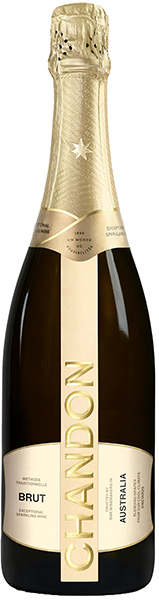
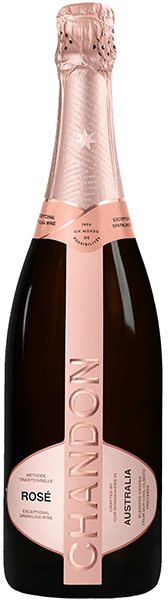
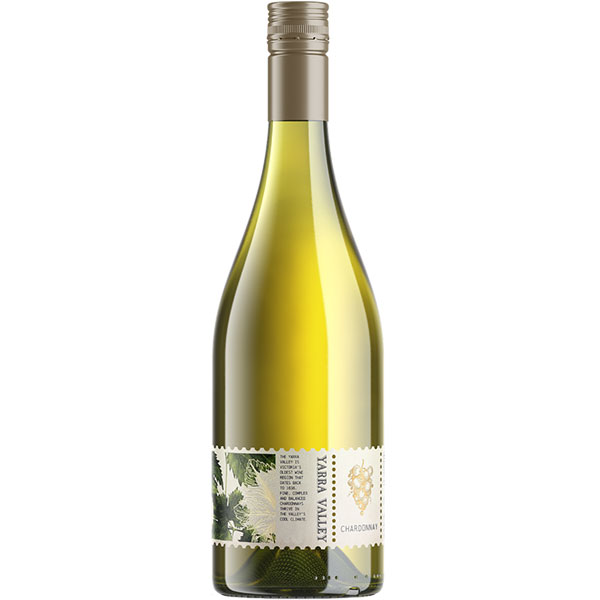
Just as northern California's wine industry was jump-started by the gold rush of 1849, the discovery of gold in Victoria in 1851 paved the way for a fledgling wine industry; as the supply of gold dwindled, vintners were known to hire out-of-work miners to dig underground wine cellars. By the 1960s Victoria's wine industry was a shadow of its former self, but a new period of growth came with the Australian boom of the 1970s and 1980s. Of all mainland Australia's wine regions Victoria is the smallest and most southern, with more than 820 producers spread over more than a dozen small wine districts fanning out from Melbourne. Its districts vary considerably in climate, terrain and soil, thanks in part to the Great Dividing Range, which creates mountainous and hilly terrain over more than a third of the state. Several of the most renowned districts — the Yarra Valley, Geelong and Mornington Peninsula — lie very close to the sea and benefit from cool breezes off the Great Southern Ocean, and in these cool areas chardonnay and pinot noir thrive. Farther inland, in slightly warmer pockets like Beechworth, the chardonnays can again be stellar if richer. Victoria is also known for cabernet sauvignon and shiraz, and one of its specialities is the captivating sweet muscats and topaques of Rutherglen in the northeast — spellbinding and unctuous wines. Victoria has always been associated with sparkling wine too: Seppelt is in the Grampians, and in 1986 Moët & Chandon founded Chandon Australia in the Yarra Valley.