Mendoza
Argentina's leading wine province and the heartbeat of its industry — high-desert vineyards at 4,000 feet framed by the Andes, and the home of the vast majority of Argentine malbec.
About the region
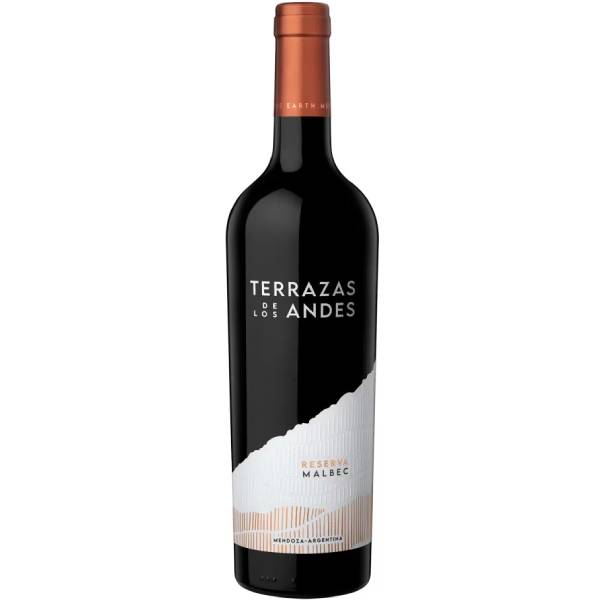
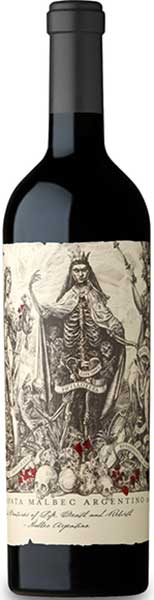
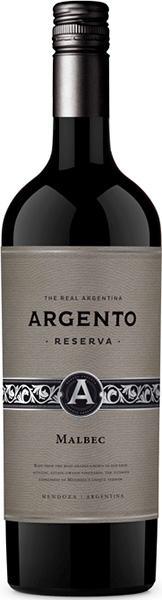
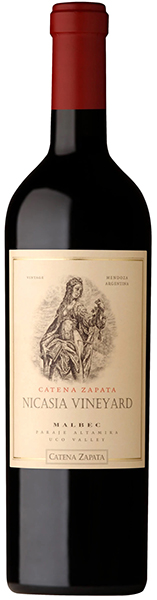
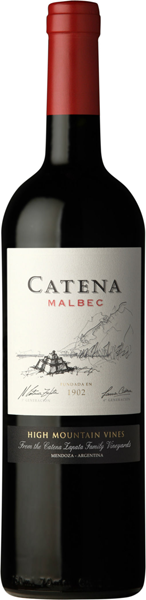
Mendoza is the name of Argentina's leading wine province and of its capital city, founded in 1561; both were named for Don García Hurtado de Mendoza, a sixteenth-century Chilean governor, from the era when Mendoza belonged to the Captaincy of Chile. Huddled in the high desert foothills of the Andes, the province covers more than 36 million acres — at over 57,000 square miles it is about the size of New York State — though less than 5 percent of its surface is planted with vines. Mendoza is more than the leading wine region: it is the heartbeat of the Argentine wine industry. Of roughly 1,400 wineries in Argentina, nearly 1,000 are in this one province, and a majority of all Argentine wine, including the vast majority of all malbec, is grown here. The region lies directly west of Buenos Aires, some 1,000 miles inland from the Atlantic; its vineyards, at 4,000 feet (1,200 metres) and more, are the highest in the country and are framed by the snowcapped Andes. The climate is extremely dry, with intense sunlight — what Mendozans call 'sunlight density' — but temperatures stay generally mild thanks to the elevation. The most important subregions lie south of Mendoza city along the Ruta 40 corridor, including Luján de Cuyo and the Uco Valley (itself made up of Tupungato, Tunuyán and San Carlos). Malbec, native to Cahors in southwest France where it is called côt, behaves quite differently here: where Cahors côt is extremely hard, sleek and tannic, Argentine malbec is usually remarkably soft, rich and palate-coating. In arid Argentina the variety thrived, and the country may now have the deepest DNA pool of malbec clones in the world.