 Log in to view
฿฿฿
Product information compiled from producer, importer and reference sources.
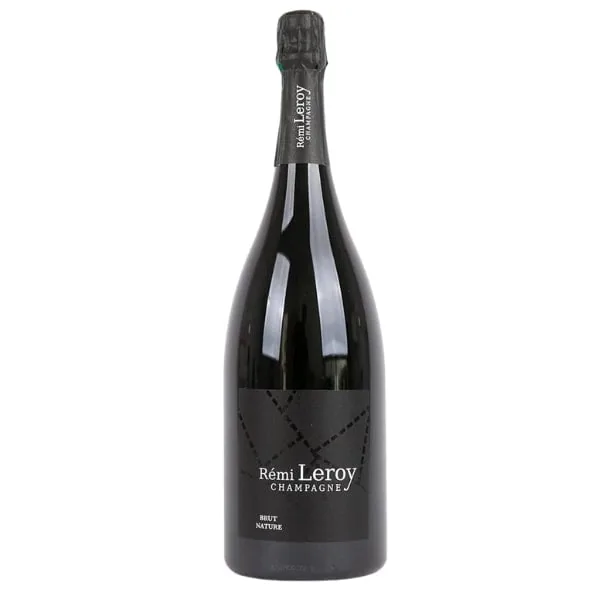
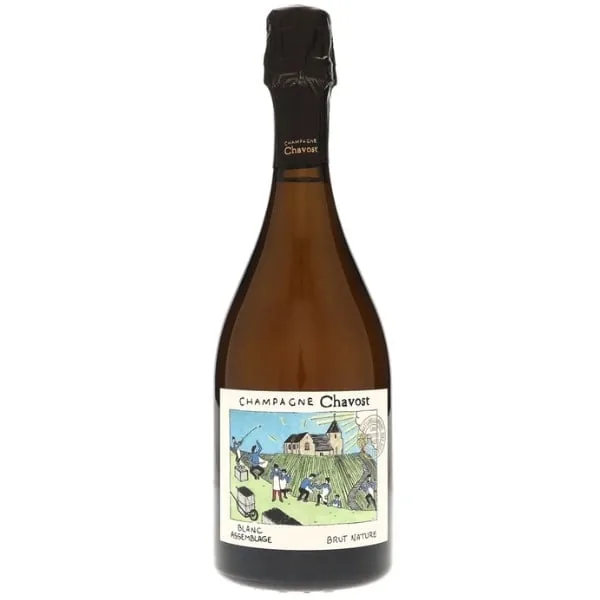
Zero-sulphur, zero-dosage Champagne from a 70-family organic co-op in unclassified Chavot-Courcourt — native yeast, unfined, 20 months on lees. Magnum format.
In 2019, chef de caves Fabian Daviaux — great-grandson of a founding member of the 1946 Chavot-Courcourt collective — persuaded over 70 co-op families to abandon sulphur additions, dosage, and conventional inputs entirely, making Chavost one of the only cooperatives in Champagne to operate a fully zero-SO₂, zero-dosage, organically farmed portfolio.
The 22 plots across 5–5.5 hectares in Chavot-Courcourt sit at the geographic junction of the Côte des Blancs and the Vallée de la Marne, on a dual mosaic of clay-limestone and chalky-limestone soils with a north-facing aspect — conditions that preserve natural acidity and slow phenolic development in the 35–60-year-old vines, providing the structural backbone that makes zero-dosage viable without chaptalization.
The Blanc d'Assemblage blends 47% Chardonnay / 47% Pinot Meunier / 6% Pinot Noir, using only first-press cuvée juice; base wines undergo spontaneous alcoholic fermentation at 17°C and spontaneous malolactic fermentation at 20°C in thermoregulated stainless steel, with no enzymes, fining agents, or acidification at any stage.
Second fermentation proceeds in bottle without added tirage sugar, and the wine rests a minimum of ~20 months on lees before disgorgement with zero dosage and no added sulphites (total SO₂ measured at 6–18 mg/L naturally). The Magnum format extends the lees-contact phase and slows post-disgorgement oxidation — unusual for a co-op cuvée, and structurally significant for a wine carrying no sulphite safety net.
Sommelier’s pick: Oysters Rockefeller with herb butter · Grilled langoustines with sea salt and lemon · Burrata with white anchovies and caperberries
Loading notes…
Tasted this?
Ask us on LINE.
Ask about this item