 Log in to view
฿฿
WNLQ9 vintage signal, averaged from Wine Enthusiast Wine Vintage Chart 2026 Edition's 4 closely-agreeing California 2019 ratings (Sonoma Cabernet Sauvignon; Sonoma Pinot Noir; Central Coast Pinot Noir; Paso Robles Reds).
A vintage grade rates the growing season in this wine’s region — not this specific bottle. Source.
Product information compiled from producer, importer and reference sources.
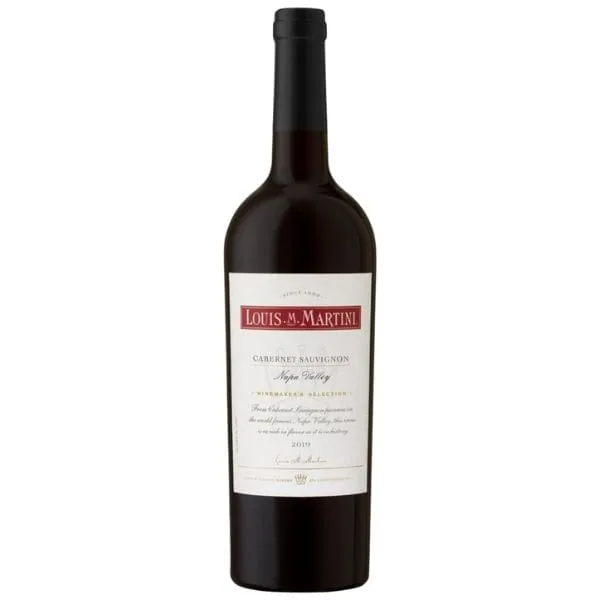
Stags Leap District Cabernet from a Napa pioneer: structured, age-worthy fruit in a classic 1990s house style.
Louis M. Martini established his Napa Valley operation in 1933, building a reputation for Cabernet Sauvignon that prioritized structure and cellaring potential over immediate fruit expression. This Stags Leap District bottling reflects that philosophy: a subregion defined by volcanic soils and morning fog that moderates ripeness while preserving acidity and tannin definition.
The vineyard sites in Stags Leap sit at 400–800 feet elevation on well-drained volcanic and alluvial soils, aspects that face southeast and benefit from afternoon shade that extends the growing season. These conditions yield Cabernet with natural phenolic ripeness without overextraction.
Fermentation in temperature-controlled stainless steel followed by aging in French oak (proportion not specified by producer) for an extended period builds the wine's framework. The house style favors restraint: the fruit is present but not jammy, the oak integrated rather than dominant.
This is Napa Cabernet built for the cellar—not a fruit-forward modern expression, but a wine that rewards patience. The 94-point consensus from Wine Enthusiast, James Suckling, and Wine Spectator reflects its balance and aging potential rather than immediate opulence.
Drink now through 2035 for optimal complexity.
Sommelier’s pick: Grilled ribeye with rosemary and garlic · Braised short ribs with root vegetables · Duck breast with cherry gastrique
Loading notes…
Tasted this?
Ask us on LINE.
Ask about this item