 Log in to view
฿฿
WNLQ9 vintage signal, averaged from Wine Enthusiast Wine Vintage Chart 2026 Edition's 4 closely-agreeing California 2021 ratings (Sonoma Cabernet Sauvignon; Sonoma Pinot Noir; Central Coast Pinot Noir; Paso Robles Reds).
A vintage grade rates the growing season in this wine’s region — not this specific bottle. Source.
Product information compiled from producer, importer and reference sources.
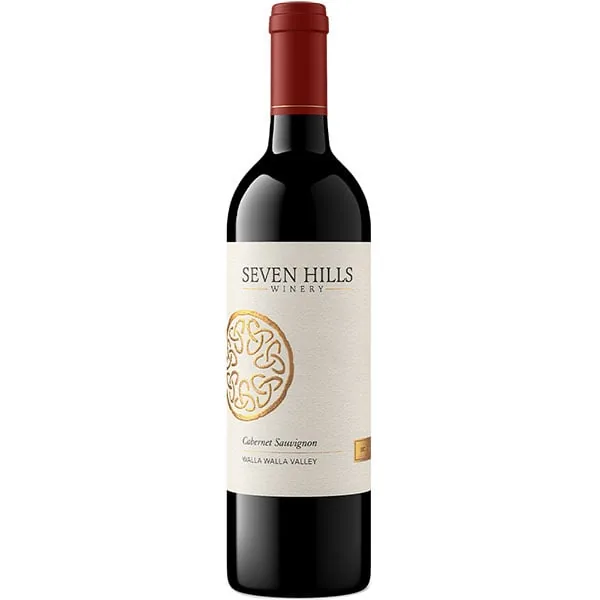
Walla Walla Cabernet from a founding winery; ripe fruit, structured tannin, Washington terroir.
Seven Hills Winery, established in 1980 in Walla Walla Valley, was among the first commercial producers in what is now one of the Pacific Northwest's most respected Cabernet regions. The winery sits at the confluence of the Walla Walla and Touchet Rivers, where diurnal temperature swings and well-draining Palouse silt-loam soils create conditions favoring full phenolic ripeness in Cabernet Sauvignon.
This Cabernet is sourced from estate and partner vineyards across Walla Walla Valley, where elevation ranges from 1,000 to 1,500 feet. The fruit undergoes traditional fermentation in temperature-controlled stainless steel, followed by aging in French oak (percentage new not specified in available documentation) for approximately 18–24 months.
The wine is bottled unfiltered, preserving mid-palate texture and tannin structure.
Walla Walla Valley Cabernets from this era are characterized by ripe dark fruit, moderate alcohol (typically 13.5–14.5%), and a balance between New World ripeness and Old World restraint—a signature of the region's cool-season growing pattern despite its inland location.
Drink now through 2032. The wine shows primary fruit focus in youth and will develop secondary complexity with 3–5 years of bottle age.
Sommelier’s pick: Grilled ribeye with rosemary and sea salt · Braised short ribs with root vegetables · Herb-crusted lamb rack
Loading notes…
Tasted this?
Ask us on LINE.
Ask about this item