 Log in to view
฿฿
Product information compiled from producer, importer and reference sources.
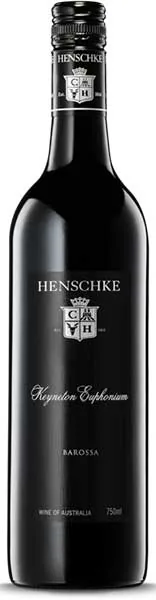
Barossa Shiraz-Cabernet blend from a sixth-generation estate farming organically since 1862 — open-top concrete fermentation, no added tannins, full malolactic.
When Cyril Henschke bottled Australia's first single-vineyard Shiraz in 1952, the country's fine-wine identity was still defined by blends and fortifieds. Keyneton Euphonium is Henschke's deliberate return to that blending tradition — Shiraz, Cabernet Sauvignon, Cabernet Franc, and Merlot drawn from organically and biodynamically farmed Barossa Valley fruit, a counterpoint to the estate's single-varietal flagships.
The Barossa floor sites deliver the warm-climate concentration the Eden Valley expressly avoids: deeper alluvial soils amplify dark fruit density while the Cabernet varieties contribute structural backbone and mid-palate definition. Fermentation takes place in
open-top vessels with submerged-cap technique; full malolactic fermentation is carried through, and Stephen Henschke's standing rule of no added tannins means every structural element is native to the fruit.
Aging follows the house hogshead regime in French and American oak, seasoned casks dominant, preserving fruit clarity over oak imprint. What sets Euphonium apart within the Barossa blend category is the Cabernet Franc component — a variety almost never seen in floor-Barossa reds — lending lifted graphite and dried herb character that cuts through the region's characteristic plush weight.
The 2019 vintage across Henschke's portfolio was shaped by record 44.3°C heat and yields reduced to 10–15% of normal, producing wines of concentrated purity and tighter structure than the house average; drink 2024–2032.
Sommelier’s pick: Slow-braised lamb shoulder with harissa and preserved lemon · Grilled wagyu bavette with bone marrow butter · Duck confit with lentils du Puy and smoked bacon
Loading notes…
Tasted this?
Ask us on LINE.
Ask about this item