 Log in to view
฿฿฿
Product information compiled from producer, importer and reference sources.
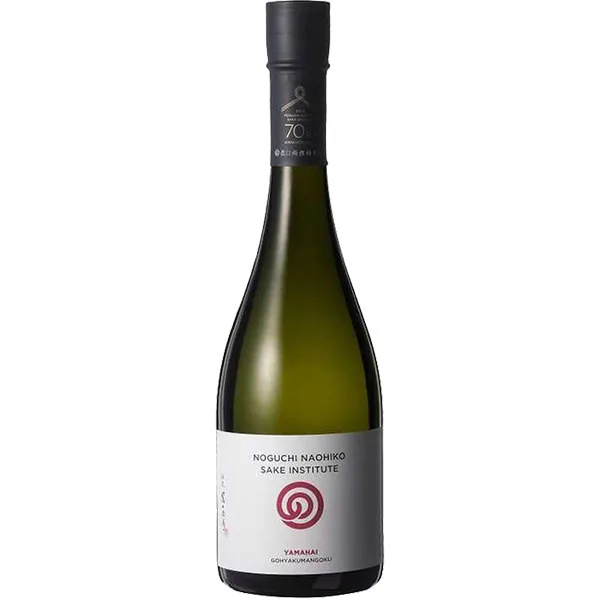
Naohiko Noguchi's Yamahai Gohyakumangoku: ambient-lactic fermentation, Nama Jukusei aging, Hakusan snowmelt — structured umami from Japan's most decorated living toji.
Naohiko Noguchi began brewing in 1949 at age seventeen in Noto, Ishikawa — and it was his hand that both ignited Japan's Daiginjo boom of the 1970s–80s and rescued Yamahai from near-extinction. NNSI, founded in 2017 when Noguchi was 85, exists as a deliberate act of codification: a single brewery built to preserve two techniques the mainstream had abandoned or never mastered.
The brewery sits at the foot of Mt. Kannon in Kanagaso-machi, Komatsu City, drawing medium-hard snowmelt from Mt. Hakusan through underground strata via an on-site well. That mineral-rich water is specifically suited to Yamahai-shikomi: no added lactic acid — ambient bacteria cultivate the starter naturally over weeks, producing a high-acid, high-umami moromi that clean sokujo fermentation cannot replicate.
Rice is locally grown Gohyakumangoku from Ishikawa, a variety prized for its clean starch structure and restrained sweetness under Yamahai conditions.
The defining transgression is Nama Jukusei — extended low-temperature aging of unpasteurised sake in tank, defying the industry axiom that namazake must be consumed young. The result is a Muroka Nama Genshu bottling: unfiltered, unpasteurised, undiluted at approximately 18–19% ABV, with umami depth that accumulates in bottle like a structured wine.
No other major brewery systematically ages namazake as a house philosophy across its entire range.
Sommelier’s pick: Grilled yellowtail collar with yuzu kosho · Aged Comté with walnut bread · Charcoal-grilled chicken thigh with tare glaze
Loading notes…
Tasted this?
Ask us on LINE.
Ask about this item