 Log in to view
฿฿฿
Junmai Ginjo.
Product information compiled from producer, importer and reference sources.
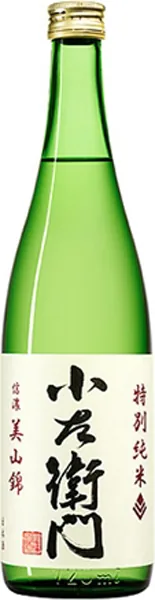
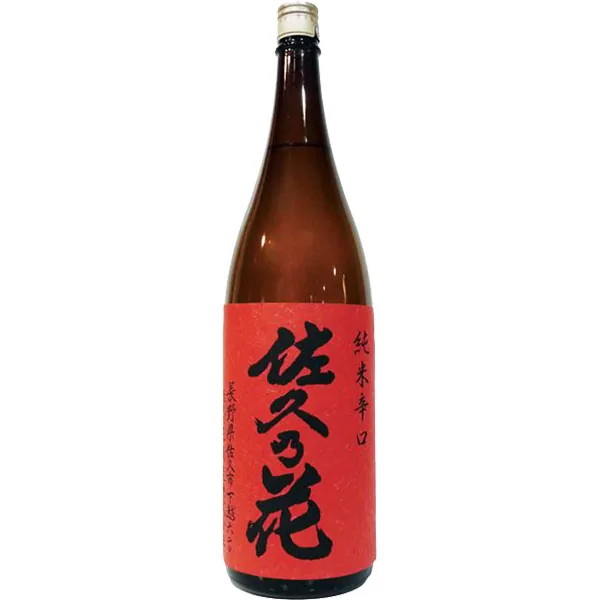
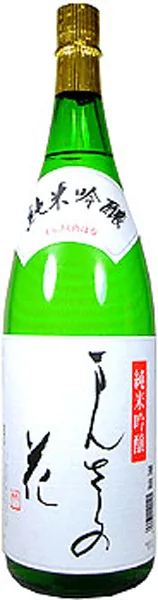
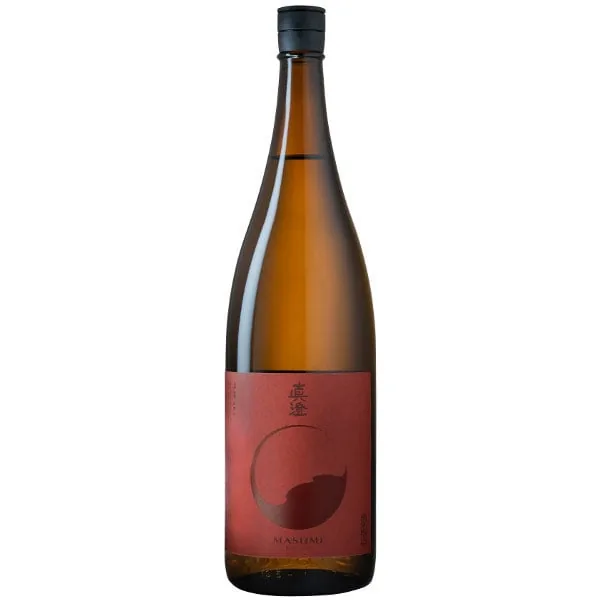
Yamahai Junmai Ginjo from Suwa, Nagano — brewed on the yeast Masumi gave the world in 1946, in a 1.8 L magnum format.
In 1946, Masumi's fermentation tanks yielded a yeast strain so vigorous and clean that the Brewing Association distributed it nationally — Kyokai Yeast No. 7 now drives over 60% of all sake production in Japan, yet its birthplace applies it exclusively through the labour-intensive yamahai starter method that most breweries abandoned decades ago.
At the original Suwa Moto-machi kura, water drawn from the Kirigamine Highlands of the Yatsugatake (Eight Peaks) Range — the same snowmelt source that gave the district its old name, Shimizu-machi ('Clear Water Village') — feeds fermentation in the cold Suwa Basin microclimate, where low temperatures slow the yamahai shubo over roughly two weeks, building natural lactic acidity without any commercially added acid.
The result is a Junmai Ginjo polished to ≤60% seimaibuai, primarily from Miyama Nishiki rice grown in Nagano, whose short-grain structure suits the alpine cold. The yamahai starter generates a richer, more structurally complex sake than the sokujo norm — pronounced umami backbone, elevated natural acidity, and a finish that lengthens rather than fades.
What is genuinely unusual here is the 1.8 L isshobin format: the full magnum volume slows oxidative development after opening, making this the format serious restaurants and table-focused drinkers reach for. Drink now through two to three years; serve slightly below room temperature to let the lactic depth open fully.
Sommelier’s pick: Grilled miso-glazed black cod (saikyo-yaki) · Slow-braised pork belly with dashi tare · Aged Comté or Gruyère with walnut bread
Loading notes…
Tasted this?
Ask us on LINE.
Ask about this item